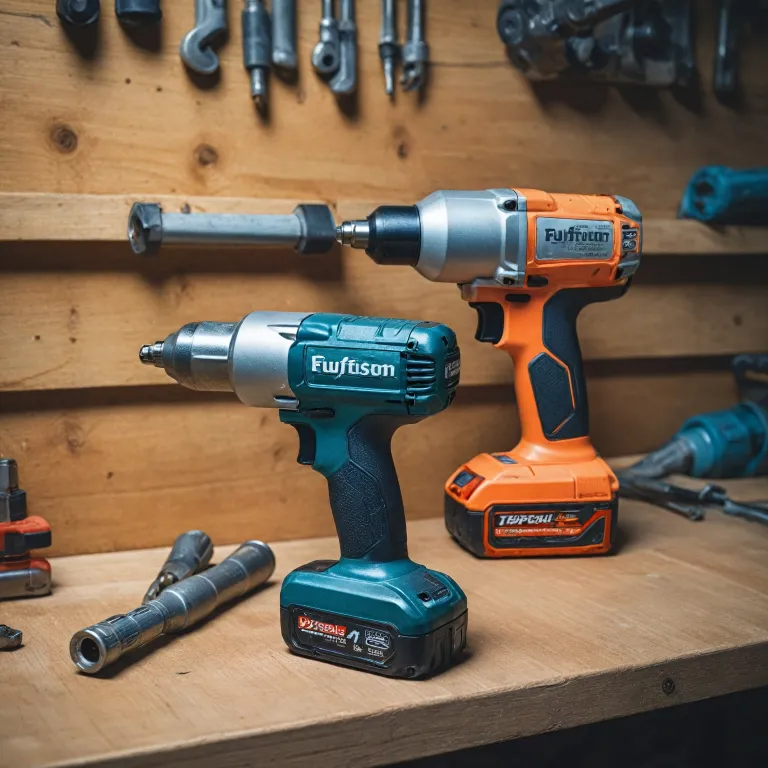
Understanding the basics of impact wrenches and impact drivers
What Sets Impact Wrenches and Impact Drivers Apart?
When exploring cordless power tools, it’s easy to get confused by the terms impact wrench and impact driver. Both are essential tools for anyone working with screws, bolts, or nuts, but they serve different purposes and excel in different tasks. Understanding the core differences impact wrenches and drivers can help you buy the right tool for your cordless drill set and make your work much easier.
- Impact Wrenches: These tools are designed for high torque output, making them ideal for loosening or tightening heavy duty bolts and lug nuts. They use a square drive, which fits sockets commonly used in automotive work or construction. If you need to remove stubborn nuts or bolts, a wrench impact tool is your go-to.
- Impact Drivers: These are more compact and lighter, built for driving screws and fasteners into wood, metal, or plastic. Impact drivers use a hex chuck, allowing quick bit changes and efficient driving of long screws. They’re perfect for tasks like deck building or assembling furniture, where speed and control matter.
Both impact wrenches and drivers use a hammering action to deliver bursts of high torque, but the difference impact comes down to their design and intended use. Cordless impact tools have become increasingly popular due to their portability and power, making them a staple in modern power tools collections.
If you’re curious about how these tools compare to other drilling options, check out this guide on choosing between a rotary hammer and a rotary drill for more context on the range of cordless tools available.
As you continue, you’ll see how the design and torque output of each tool affect their performance, and when it makes sense to reach for a driver impact or a wrench impact tool for your next project.
Key differences in design and power
Design and Mechanism: What Sets Them Apart
When comparing an impact wrench and an impact driver, the first thing you’ll notice is the difference in their design and how they deliver power. Impact wrenches are typically larger and heavier, built for high torque output. They use a square drive—usually half-inch or three-eighths-inch—to attach sockets, making them ideal for loosening or tightening nuts and bolts, especially lug nuts or heavy-duty fasteners.
Impact drivers, on the other hand, are more compact and lighter. They use a quarter-inch hex collet to accept driver bits, which makes them perfect for driving screws and smaller fasteners. The mechanism inside both tools delivers rotational force (torque), but the impact wrench delivers much higher torque, which is why it’s favored for automotive work and heavy-duty tasks.
Power and Torque: Understanding the Numbers
The biggest difference impact wrenches and impact drivers bring to your cordless tool set is torque. Impact wrenches can deliver torque impact levels far beyond what drivers impact can manage. For example, a typical cordless impact wrench might deliver 200 to 1,000 foot-pounds of torque, while most impact drivers max out around 1,500 to 2,000 inch-pounds (about 125 to 167 foot-pounds). This high torque makes wrenches the go-to for stubborn bolts and nuts, while drivers excel at driving screws quickly and efficiently.
It’s also worth noting that both tools come in cordless versions, making them convenient for work in tight spaces or away from power outlets. Brands like Dewalt DCF offer both impact wrenches and drivers with impressive battery life and power output, so you can buy with confidence for your specific needs.
Choosing the Right Tool for the Job
Understanding these differences impact your decision when building a cordless drill set. If your work involves a lot of driving screws or assembling furniture, an impact driver will save you time and effort. For automotive repairs or heavy-duty construction, a wrench impact tool is essential for dealing with high torque requirements and tough bolts.
| Feature | Impact Driver | Impact Wrench |
|---|---|---|
| Drive Type | 1/4" Hex | 1/2" or 3/8" Square |
| Torque Output | Lower (good for screws) | High torque (good for bolts, nuts) |
| Best For | Driving screws, light fasteners | Lug nuts, heavy-duty bolts |
| Size & Weight | Compact, lightweight | Larger, heavier |
If you want to explore more about how these tools compare to hammer drills, check out this guide on choosing between a drill and a hammer drill for your cordless drill set.
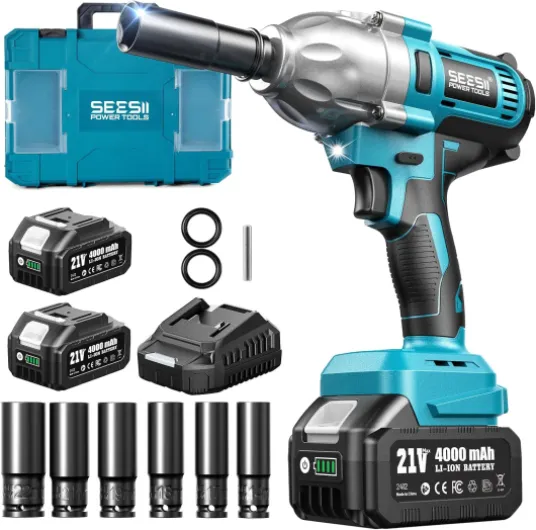
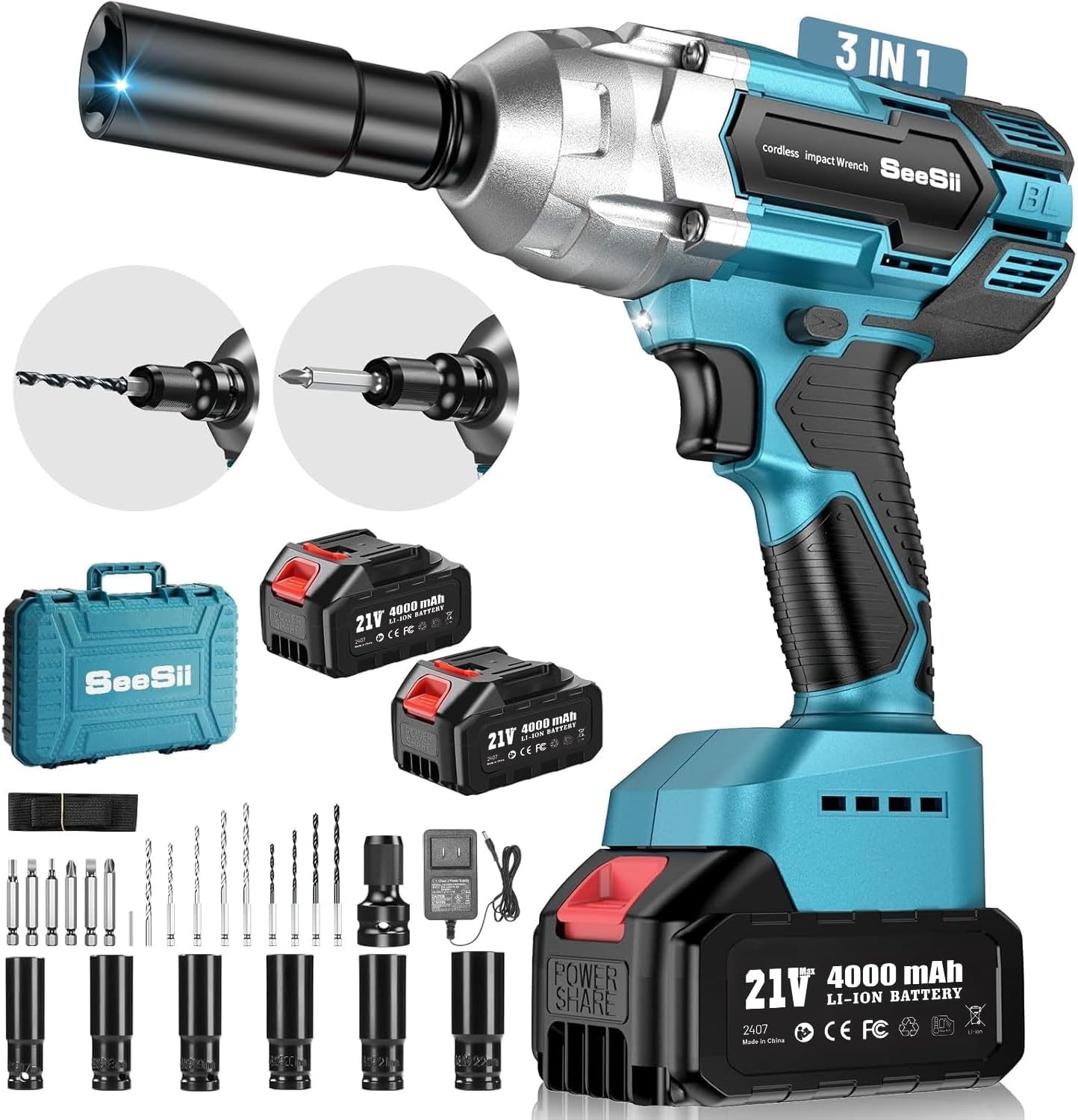
- + High torque of 665 FT-LBS (900N.m)
- + 3300 IPM for fast performance
- + Includes 21V battery with 2x 4.0Ah
- + Comes with 6 sockets and carrying case
- + Ideal for home and car tire nut removal

When to use an impact wrench
Best Scenarios for Using an Impact Wrench
When you need serious torque and power, an impact wrench is the tool to reach for. These cordless impact wrenches are designed to deliver high torque output, making them ideal for heavy duty tasks that standard drivers simply can’t handle. If you’re working with large bolts, stubborn nuts, or lug nuts on vehicles, the difference impact wrenches make is clear. Their square drive mechanism allows them to apply force efficiently, loosening or tightening fasteners that would otherwise be nearly impossible with a regular driver.
- Automotive work: Removing or tightening lug nuts, suspension bolts, and other high-torque fasteners.
- Construction and assembly: Tasks that involve large bolts or anchors, especially in steelwork or heavy timber framing.
- Industrial maintenance: Equipment repairs where high torque impact tools are needed to break free rusted or over-torqued nuts and bolts.
Impact wrenches are not just about raw power. They save time and effort, especially when dealing with repetitive or tough jobs. However, their high torque can be too much for smaller screws or delicate materials, where an impact driver would be a better fit. For those considering which tool to buy for their cordless drill set, think about the types of work you’ll be doing most often. If heavy duty, high torque jobs are frequent, a wrench impact tool is a smart investment.
For more on selecting the right driver for specific screws and tasks, check out this guide on choosing the right screwdriver for your cordless drill set. Understanding these differences impact your efficiency and results, ensuring you always have the right power tools for the job.
When to use an impact driver
Best scenarios for using an impact driver
Impact drivers are designed to make driving screws and fasteners much easier, especially when working with dense materials or long screws. Their compact size and high torque output allow you to work efficiently in tight spaces. If you often assemble furniture, build decks, or install cabinets, a cordless impact driver will save you time and reduce fatigue. The quick-change hex chuck makes swapping bits fast, which is ideal for repetitive tasks.
- Driving screws: Impact drivers excel at driving screws into wood, metal, or plastic. They prevent cam-out and reduce the risk of stripping screw heads.
- Light to medium-duty bolts: While not as powerful as impact wrenches, drivers can handle smaller bolts and nuts, making them versatile for home improvement projects.
- Working in confined spaces: Their compact design lets you work where larger tools, like wrenches, might not fit well.
Compared to impact wrenches, drivers are lighter and easier to control, making them suitable for long periods of work. If your tasks involve mostly driving screws or smaller fasteners, an impact driver is likely the best tool for the job.
Limitations to consider
While impact drivers are powerful, they are not intended for high torque applications such as loosening lug nuts or working with heavy-duty bolts. Their torque output, while impressive, is lower than that of most impact wrenches. For jobs that require removing rusted nuts or tightening large bolts, a wrench impact tool will be more effective. Understanding these differences in power and design will help you buy the right tool for your cordless drill set and get the best results for your work.
Choosing the right tool for your cordless drill set
How to Match the Right Impact Tool to Your Needs
Selecting between an impact wrench and an impact driver for your cordless drill set comes down to the specific tasks you plan to tackle. Both tools deliver impressive torque, but their applications and strengths differ. Here’s what to consider when deciding which tool will serve you best:- Type of Fasteners: If your work involves driving screws into wood, drywall, or light metal, an impact driver is typically the better choice. Its quick bursts of torque make driving screws fast and efficient. For loosening or tightening bolts, nuts, or lug nuts—especially those that are rusted or require high torque—an impact wrench is more suitable.
- Required Torque Output: Impact wrenches are designed for high torque output, making them ideal for heavy duty jobs like automotive work or construction. Impact drivers, while powerful, are optimized for driving screws and smaller fasteners where precision and control matter.
- Drive Mechanism: Impact drivers use a 1/4-inch hex chuck, perfect for quick bit changes and driving screws. Impact wrenches use a square drive, usually 1/2-inch, which accommodates sockets for bolts and nuts. This difference impacts the range of tasks each tool can handle.
- Portability and Battery Life: Cordless impact drivers are generally lighter and more compact, making them easier to maneuver in tight spaces and less fatiguing over time. Impact wrenches, especially those with high torque, may be bulkier and drain batteries faster during heavy use.
- Frequency of Use: If you regularly work with high torque applications, such as changing tires or assembling steel structures, investing in a quality impact wrench is wise. For general home improvement, furniture assembly, or driving screws, an impact driver will likely cover most needs.
What to Look for When Buying
When adding an impact tool to your cordless drill set, keep these factors in mind:- Torque Ratings: Check the maximum torque output. Higher torque is essential for heavy duty work, while moderate torque is sufficient for most driving screws tasks.
- Battery Compatibility: Ensure the tool is compatible with your existing cordless power tools and batteries to maximize convenience and minimize costs.
- Build Quality: Look for robust construction, especially if you expect to use the tool in demanding environments. Brands like Dewalt and Milwaukee are known for their durability and performance.
- Ergonomics: Comfort and balance matter, especially for extended work sessions. Test the grip and weight if possible before you buy.
- Accessory Support: Consider the availability of compatible bits, sockets, and attachments for your chosen tool.
Maintenance tips for cordless impact tools
Keeping Your Cordless Impact Tools in Top Shape
Proper maintenance is essential if you want your impact wrench or impact driver to deliver high torque and reliable performance over time. Whether you use your tools for driving screws, loosening lug nuts, or tackling heavy duty bolts, a few simple habits can make a big difference.- Regular Cleaning: After each use, wipe down your driver or wrench to remove dust, debris, and metal shavings. Pay special attention to the vents and moving parts, as buildup can affect power and torque output.
- Battery Care: Cordless impact tools rely on healthy batteries for consistent performance. Always use the recommended charger, avoid overcharging, and store batteries in a cool, dry place. If you notice a drop in run time or power, it might be time to replace the battery.
- Inspect Moving Parts: Check the square drive, anvil, and chuck for signs of wear or damage. Worn parts can reduce the effectiveness of your wrench or driver, especially when working with high torque applications like lug nuts or heavy bolts.
- Lubrication: Some impact wrenches and drivers benefit from occasional lubrication of the hammer mechanism. Refer to your tool’s manual for guidance, as over-lubrication can attract dirt and cause issues.
- Tighten Fasteners: Vibrations from high torque output can loosen screws and bolts inside your tool. Periodically check and tighten any accessible fasteners to keep your impact tools solid and safe.
- Storage: Store your cordless impact drivers and wrenches in a protective case or toolbox. This prevents dust buildup and protects them from accidental drops or moisture.