
Understanding the basics: drill vs hammer drill
What Sets a Drill Apart from a Hammer Drill?
When you’re looking at cordless drill sets, it’s easy to get confused by the different types of drills available. The two most common are the regular drill (sometimes called a standard drill or drill driver) and the hammer drill. Both tools look similar, but they serve different purposes and excel in different situations.
- Regular drills are designed for drilling holes and driving screws into materials like wood, plastic, and light metals. They’re versatile and essential for most home projects.
- Hammer drills add a hammering action to the rotation, making them ideal for drilling into tough materials like concrete, brick, or masonry. This hammer mode helps the bit break through hard surfaces more efficiently.
The main difference is the hammering action. Regular drills simply rotate the drill bit, while hammer drills combine rotation with rapid impacts. This makes hammer drills more effective for drilling concrete or other tough materials, but sometimes overkill for lighter tasks.
It’s also worth noting that some cordless drill sets include impact drivers or even rotary hammers, each with their own strengths for driving screws or tackling heavy-duty work. Understanding these differences will help you choose the right tool for your needs and avoid common mistakes when building your cordless set.
If you want to dig deeper into how battery-powered drills can boost your efficiency and flexibility, check out this guide on the benefits of a battery-powered drill.

When to use a regular drill in your cordless set
Best Uses for a Regular Drill in Your Cordless Set
When you’re building your cordless drill set, understanding when to reach for a regular drill instead of a hammer drill can save you time and effort. Regular drills, sometimes called standard drills or drill drivers, are designed for versatility and ease of use. They’re the go-to tool for most everyday drilling and driving tasks around the home or job site.
- Drilling Holes in Wood and Metal: Regular drills excel at making clean holes in softer materials like wood, plastic, and even thin metal. With the right drill bits, you can handle most household projects without the need for hammering action.
- Driving Screws: A regular drill with adjustable speed and torque settings is perfect for driving screws into various materials. This makes it ideal for assembling furniture, hanging shelves, or installing fixtures.
- Lightweight and Easy to Handle: Regular drills are generally lighter than hammer drills, making them easier to control for precision work. This is especially helpful when working overhead or in tight spaces.
- Switching Between Modes: Many cordless drills offer a driver mode, allowing you to switch from drilling to driving screws without changing tools. This flexibility is a major advantage for DIYers and professionals alike.
It’s important to note that while regular drills are highly versatile, they’re not designed for tough materials like concrete or masonry. Attempting to drill concrete with a standard drill can quickly wear out your drill bits and the tool itself. For those tougher jobs, you’ll want to consider a hammer drill or even a rotary hammer.
For a deeper dive into the range of tasks a hand drill can handle and how it fits into your cordless drill set, check out this guide on understanding the versatility of a hand drill.
In summary, a regular drill is a must-have in your cordless set for general drilling and driving screws in wood, plastic, and light metals. It’s the tool you’ll reach for most often, thanks to its balance of power, speed, and control.
The role of a hammer drill in tough jobs
Why hammer drills excel in demanding tasks
When your work involves drilling into tough materials like concrete, brick, or stone, a regular drill simply won’t cut it. This is where a hammer drill, or cordless hammer, becomes essential in your cordless drill set. Unlike standard drills, hammer drills combine rotary motion with a rapid hammering action, allowing the drill bit to pulverize hard surfaces while spinning. This makes drilling holes in masonry much faster and less strenuous.
- Hammer mode: The key feature that sets hammer drills apart is their ability to switch between regular drilling and hammering action. This mode is crucial for drilling concrete or other dense materials.
- High performance: Hammer drills typically offer more power and higher speed settings, which are necessary for tough jobs. The impact generated by the hammering action helps the bit penetrate materials that would otherwise resist a standard drill.
- Versatility: Many cordless hammer drills can also function as regular drills or even as drivers for screws, making them a flexible tool in your set.
It’s important to use the right drill bits when working with a hammer drill. Masonry bits are designed to withstand the hammering action and abrasive materials. Attempting to drill concrete with standard drill bits or a regular drill can lead to poor results and even damage your tools.
For those who need even more power for heavy-duty work, a rotary hammer might be the next step up. However, for most home and professional users, a cordless hammer drill offers the right balance of performance and convenience. If you want to explore how different cordless tools can expand your capabilities, check out this guide on the versatility of cordless Kobalt tools.
Remember, while hammer drills are excellent for tough jobs, they are not always the best choice for delicate tasks or driving screws. Choosing the right tool and mode for each job will help you get the best results and extend the life of your cordless drill set.
Key features to look for in cordless drill sets
Essential qualities for a reliable cordless drill set
When you’re comparing cordless drill sets, it’s easy to get overwhelmed by all the options. But focusing on a few key features will help you choose a tool that meets your needs, whether you’re drilling holes in wood, driving screws, or tackling tougher materials like concrete.
- Power and voltage: The voltage of your cordless drill or hammer drill directly affects its performance. Higher voltage means more power for drilling concrete or working with tough materials. For most home projects, 12V to 18V is sufficient, but heavy-duty jobs may require 20V or more.
- Speed and torque settings: Look for drills with adjustable speed and torque. Variable speed lets you control how fast the bit spins, which is crucial for different materials. Higher torque is important for driving screws or using larger drill bits.
- Hammer mode and impact function: If you plan to drill into masonry or concrete, a cordless hammer drill with a hammering action is essential. Some sets also include an impact driver, which is ideal for driving screws into dense materials.
- Battery life and charging: Lithium-ion batteries are now standard for cordless tools, offering longer run time and quicker charging. Consider sets that include two batteries, so you can keep working while one charges.
- Chuck size and compatibility: The chuck holds your drill bits. A 13mm (1/2 inch) chuck is more versatile, fitting a wider range of bits for both regular drills and hammer drills.
- Ergonomics and weight: Comfort matters, especially for extended work. Lighter drills reduce fatigue, and a good grip helps with control and precision.
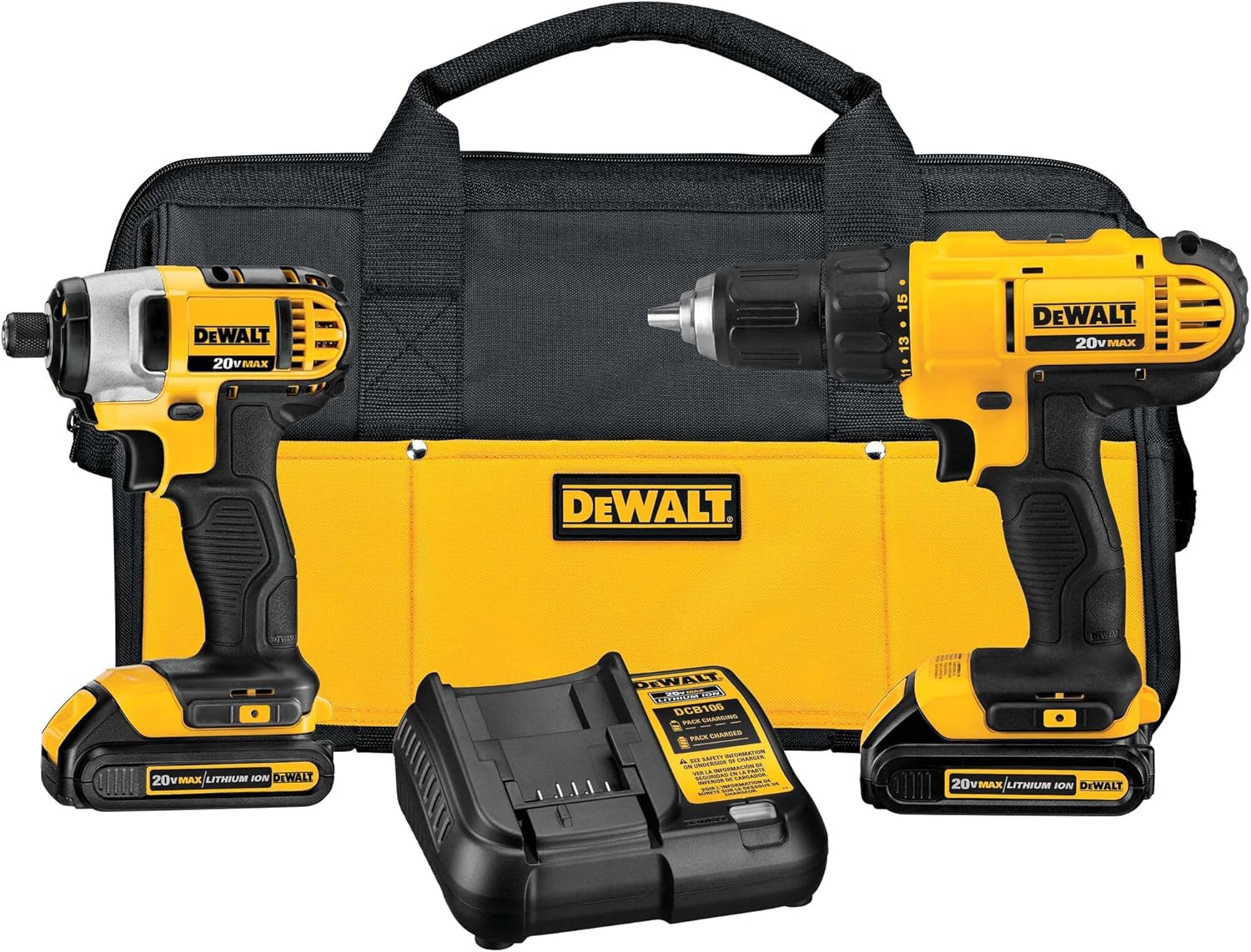
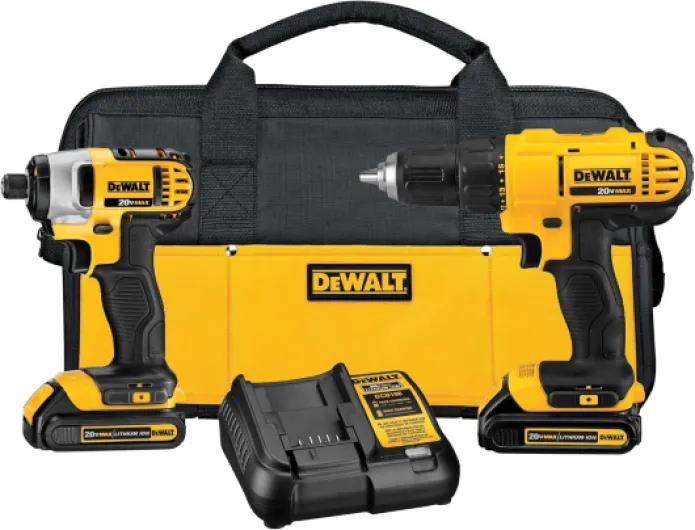
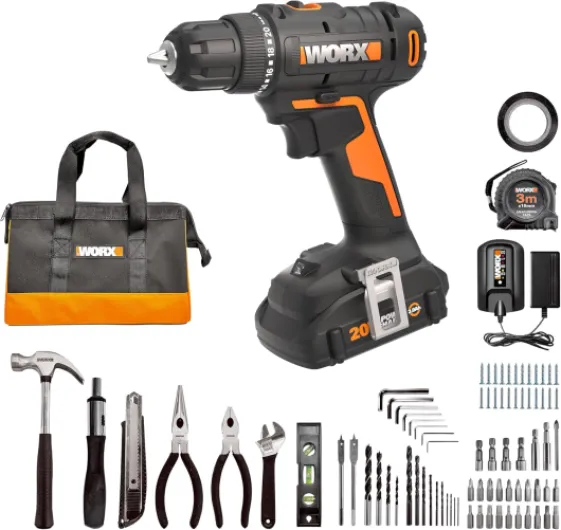
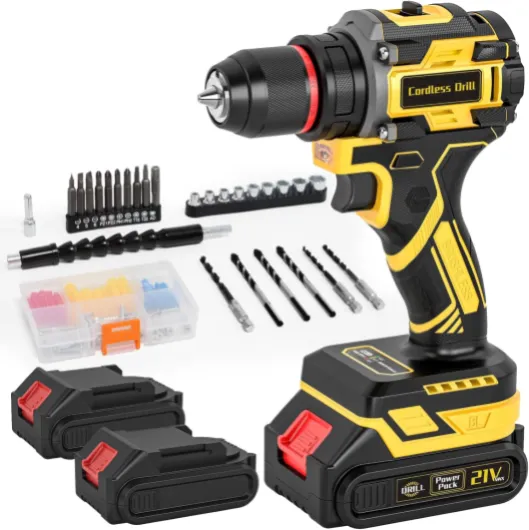
- Included accessories: Many cordless drill sets come with a selection of drill bits, driver bits, and sometimes even a carrying case. These extras can add value and convenience.
Matching features to your drilling needs
Think about the type of work you’ll do most often. If you’re mainly drilling holes in wood or drywall, a standard drill or regular drill with variable speed will do the job. For driving screws, an impact driver can be a game-changer. If you expect to drill concrete or other tough materials, prioritize a cordless hammer drill with a robust hammer mode and high performance.
Choosing the right features in your cordless drill set ensures you’re ready for any project, from simple repairs to more demanding tasks. It’s all about matching the tool’s capabilities to the materials and jobs you’ll face.
Common mistakes when choosing between drill and hammer drill
Missteps to Avoid When Selecting Your Drill or Hammer Drill
Choosing between a regular drill and a hammer drill can be confusing, especially with so many cordless drill sets on the market. Here are some common mistakes people make, and how to avoid them:- Overlooking the Material You’ll Be Drilling
Many users grab a standard drill for every job, but drilling concrete or other tough materials demands a hammer drill or even a rotary hammer. Using a regular drill on masonry can burn out the motor or ruin your drill bits. - Ignoring the Importance of Hammer Mode
Some cordless hammer drills offer a hammering action that’s essential for drilling holes in hard surfaces. Not all drills have this mode, so double-check before you buy if you plan to work with brick, stone, or concrete. - Confusing Impact Drivers with Hammer Drills
Impact drivers are great for driving screws and bolts, but they’re not designed for drilling concrete. Hammer drills, on the other hand, combine rotary and hammering action for tough jobs. Don’t mix up these tools—they serve different purposes. - Focusing Only on Speed, Not Power
High speed isn’t always better. For drilling tough materials, torque and hammering action matter more than just RPM. Check the specs for both speed and impact energy. - Using the Wrong Drill Bits
Even the best cordless hammer drill won’t perform well with the wrong bit. Make sure you’re using masonry bits for concrete and standard bits for wood or metal. The right bit makes all the difference in performance and safety. - Neglecting Battery Performance
Cordless drills rely on battery power. If you’re working on big projects or drilling concrete, a high performance battery is crucial. Don’t underestimate the importance of battery life and charging time. - Not Considering the Full Tool Set
Some cordless drill sets include both a regular drill and a hammer drill, plus impact drivers and a variety of drill bits. Think about the range of tasks you’ll tackle before settling on a single tool.
Tips for maintaining your cordless drill set
Keep Your Cordless Drill Set Working Smoothly
Regular care is essential if you want your cordless drill set to last and perform at its best. Whether you use a standard drill, hammer drill, or even an impact driver, a few simple habits can make a big difference.- Clean after every use: Dust and debris from drilling into materials like concrete or wood can build up in your tool. Wipe down your drill, hammer drill, and drill bits after each job to prevent clogging and corrosion.
- Check and replace drill bits: Dull or damaged bits make drilling holes harder and can strain your tool. Inspect your drill bits regularly, especially after working with tough materials like masonry or when using hammer mode for drilling concrete.
- Battery care matters: For cordless hammer drills and regular drills, always recharge batteries before they are completely drained. Store batteries in a cool, dry place and avoid leaving them on the charger for extended periods.
- Lubricate moving parts: A drop of oil on the chuck and other moving parts can keep your drill and hammer drills running smoothly. This is especially important if you frequently switch between drilling and driving screws or use hammering action for tough jobs.
- Inspect for wear and tear: Look for cracks in the casing, loose screws, or worn-out switches. Addressing small issues early can prevent bigger problems and keep your tools safe to use.
- Store properly: Keep your cordless drill set in its case or a dry toolbox. Avoid damp environments, which can damage electrical components and reduce high performance.
Extra Tips for Longevity
- Use the right mode for the job. For example, switch to hammer mode only when drilling concrete or other tough materials. Using hammering action on softer materials can wear out your tool faster.
- Don’t force the drill. Let the tool and the bit do the work, especially when driving screws or drilling into hard surfaces. Forcing can overheat the motor and reduce the lifespan of your cordless hammer or regular drill.
- Match the bit to the material. Using the correct drill bit for wood, metal, or masonry ensures cleaner holes and less strain on your drill.