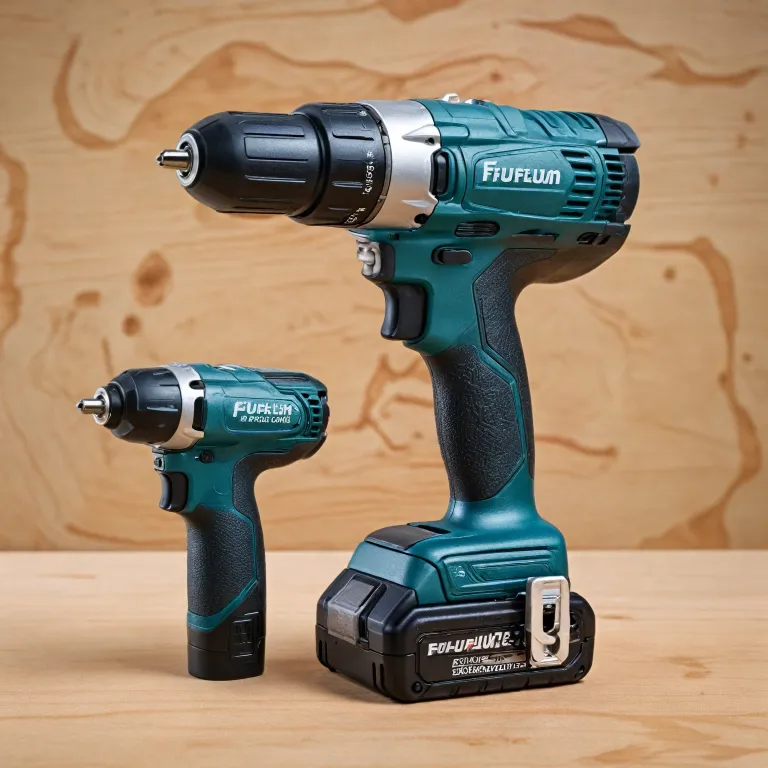
What makes a drill brushless or non brushless
How the Motor Design Sets Brushless and Brushed Drills Apart
The main difference between brushless and non brushless (brushed) drills comes down to the type of motor inside the tool. In a brushed drill, the motor uses physical brushes and a commutator to transfer electrical current to the rotor (the spinning part of the motor). As the drill runs, these brushes maintain contact with the commutator, allowing the armature to spin and generate power. This design has been used in power tools for decades and is known for its simplicity and reliability in many diy projects and basic power tools.
On the other hand, a brushless drill uses a different approach. Instead of brushes, it relies on an electronic controller to deliver current to the stator coils, which then create a rotating magnetic field to spin the rotor. This means there are no physical brushes or commutator inside a brushless motor. The result is a more efficient transfer of energy, less friction, and reduced heat buildup during use. For those interested in the technical details and why this matters for your cordless drill set, you can read more in this guide to brushless drills.
- Brushed motors: Use brushes and commutator, generate more heat, and require more maintenance.
- Brushless motors: Use electronic controller, no brushes, run cooler, and offer better efficiency.
This fundamental difference in motor design is what leads to the various advantages and performance differences you’ll see discussed in the following sections, including power output, durability, and suitability for heavy duty projects or professional use.
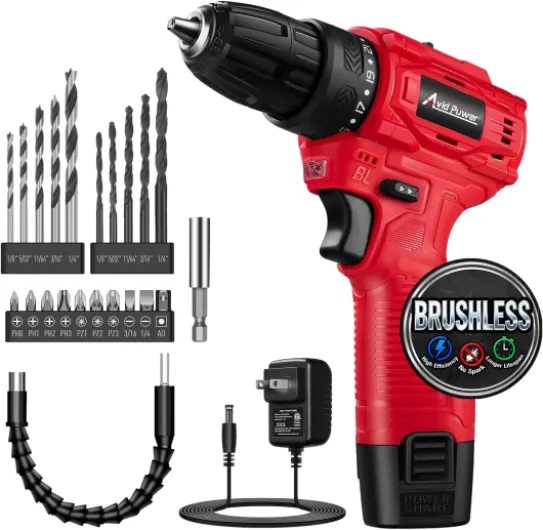
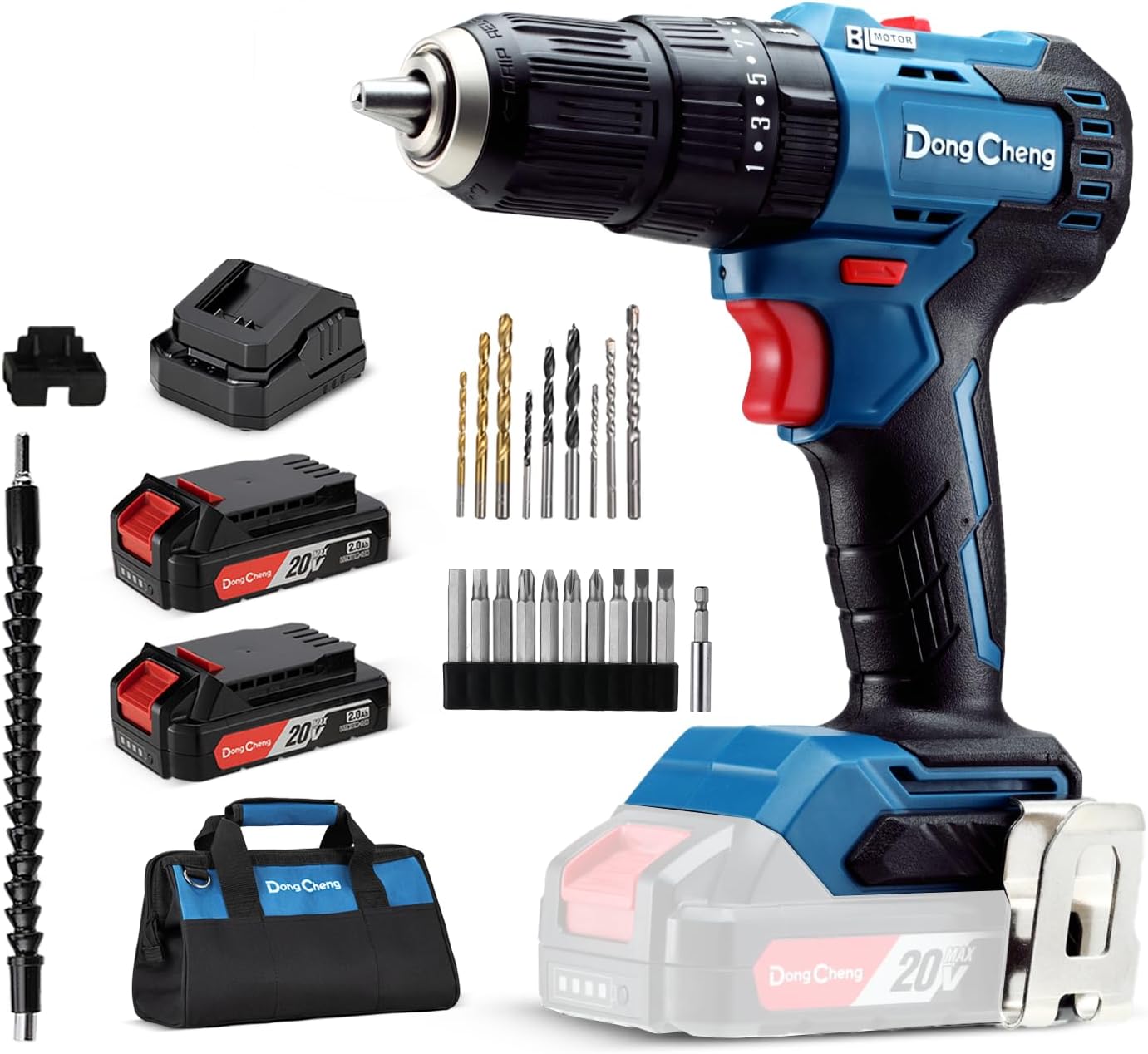
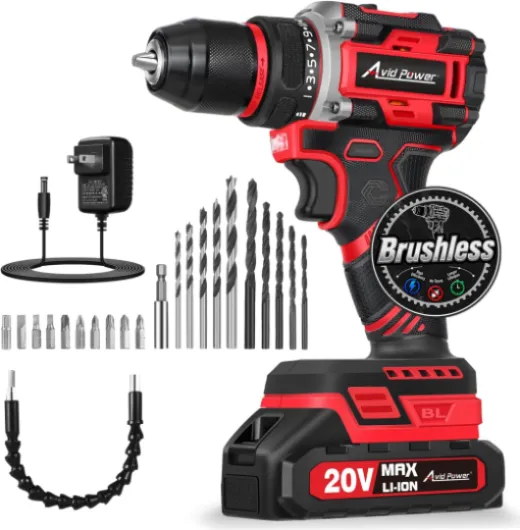
- + Brushless motor for efficient performance
- + 2-speed control for versatile applications
- + 3/8-inch keyless chuck for quick bit changes
- + 2000mAh battery for extended usage
- + Includes 22 accessories for added convenience

Performance and efficiency comparison
How Brushless and Brushed Motors Impact Power and Efficiency
When comparing brushless and brushed drills, the type of motor inside each tool plays a huge role in how much power and efficiency you get during use. The main difference comes down to how the motor transfers electricity to create movement. Brushed motors use physical brushes and a commutator to deliver current to the armature, while brushless motors rely on an electronic controller to manage power flow between the stator and rotor coils.
- Power Output: Brushless drills generally deliver more consistent power. Since there are no brushes to create friction or resistance, the brushless motor can transfer energy more directly to the drill’s rotor. This means better torque and less power loss, especially under heavy duty tasks or when drilling into tough materials.
- Efficiency: Brushless motors are known for their efficiency. The absence of brushes and commutator means less heat is generated, so more of the battery’s energy goes directly into your project. Brushed drills, on the other hand, lose some energy as heat due to friction between the brushes and commutator, which can make them less efficient over time.
- Heat Management: Less heat in brushless drills not only improves efficiency but also helps the tool last longer during demanding jobs. Brushed motors can get hot quickly, especially with continuous use, which may affect performance and comfort.
- Control and Precision: The electronic controller in brushless drills allows for smarter power management. This means the tool can adjust speed and torque automatically, giving you better control for different types of projects, from delicate DIY tasks to more robust construction jobs.
For a deeper dive into how the motor’s starting mechanism influences performance, check out this detailed explanation on the role of a cordless drill motor’s starting ratchet.
In summary, if you’re looking for a power tool that offers better efficiency, more power, and improved control, brushless drills have clear advantages. However, brushed drills can still be a good choice for lighter tasks or occasional use, especially if budget is a concern. The type of projects you plan to tackle will help determine which motor type is the right fit for your cordless drill set.
Durability and maintenance needs
How long will your drill last and what does it take to keep it running?
When comparing brushless and brushed drills, durability and maintenance are key factors for anyone investing in a cordless drill set. The main difference comes down to how each motor is built and how it handles wear over time. Brushless motors, as the name suggests, do not use brushes or a commutator. Instead, they rely on an electronic controller to manage the flow of power between the stator and the rotor. This design means there are fewer moving parts that can wear out. As a result, brushless drills tend to last longer and require less maintenance. You won’t need to replace brushes or worry about dust and debris causing issues with the commutator or armature. This can be a big advantage for heavy duty projects or frequent use. On the other hand, brushed motors use physical brushes and a commutator to transfer electricity to the coils in the rotor. Over time, these brushes wear down and need to be replaced. The friction between the brushes and the commutator also generates more heat, which can lead to faster wear and tear on the tool. For DIY projects or occasional use, a brushed drill can still be a reliable choice, but you should expect to perform some maintenance, like replacing brushes and cleaning the tool to keep it running smoothly. Here’s a quick comparison to help clarify:| Feature | Brushless Drills | Brushed Drills |
|---|---|---|
| Maintenance Needs | Minimal, no brushes to replace | Brushes and commutator need regular attention |
| Heat Generation | Lower, more efficient cooling | Higher, more heat from friction |
| Durability | Longer lifespan, better for frequent use | Shorter lifespan, more wear on moving parts |
Cost considerations and value for money
Comparing Upfront Price and Long-Term Value
When considering a cordless drill set, the cost difference between brushless and brushed drills is often one of the first things people notice. Brushless drills typically have a higher upfront price. This is mainly due to the advanced technology inside the brushless motor, which uses an electronic controller instead of brushes and a commutator to manage power delivery. Brushed drills, on the other hand, rely on traditional brushes and a commutator, making them less expensive to produce.
What Are You Paying For?
- Brushless drills: Higher initial investment, but you get better efficiency, less heat generation, and longer battery life. The absence of brushes and commutator means fewer parts that wear out, so maintenance costs are lower over time.
- Brushed drills: More affordable at the start, but the brushes and commutator will wear down with use. This means more frequent maintenance and possible replacement of parts, especially if you use your power tool for heavy duty projects.
Value for Money Over Time
While a brushed drill might seem like a bargain, the long-term costs can add up if you use your tool regularly. The brushes and commutator in brushed motors are subject to wear, which can affect performance and require replacement. Brushless motors, by contrast, have fewer moving parts and generate less heat, so they tend to last longer and maintain their power output over time.
For DIY projects or occasional use, a brushed drill may offer enough value for the money. However, for professionals or anyone tackling frequent or demanding tasks, investing in a brushless drill set can pay off in the long run. The efficiency, durability, and reduced maintenance of brushless power tools often justify the higher price tag.
Making the Right Choice for Your Budget
Ultimately, the best value depends on how you plan to use your cordless drill. If you need a tool for heavy duty work or want to minimize downtime and maintenance, the advantages of brushless motors make them a smart investment. For lighter tasks or occasional projects, a brushed drill can be a cost-effective solution. Always weigh the initial price against the potential savings in maintenance and the performance you need for your projects.
Suitability for different users and tasks
Choosing the Right Drill for Your Needs
When selecting between brushless and brushed cordless drills, it’s important to match the tool to your specific projects and usage habits. Both types of motors—brushless and brushed—offer distinct advantages, but their suitability can vary depending on the user and the task at hand.
- DIY Enthusiasts and Occasional Users: If you’re tackling light home repairs or small DIY projects, a brushed drill can be a cost-effective choice. Brushed motors use brushes and a commutator to transfer power to the rotor and armature, making them straightforward and easy to maintain. For users who don’t need heavy duty performance, the lower upfront cost and simple design of brushed drills can be appealing.
- Frequent Users and Professionals: For those who use power tools regularly or work on demanding projects, brushless drills are often the better investment. The brushless motor design eliminates brushes and the commutator, reducing friction and heat buildup. This results in better efficiency, longer runtime, and less maintenance. Brushless motors also adapt power output based on the task, which is ideal for heavy duty applications and extended use.
- Precision and Versatility: If your projects require precise control or you often work with different materials, brushless drills provide more consistent torque and speed. The electronic controller in brushless motors allows for smoother operation and greater adaptability, which is valuable for both woodworking and metalworking tasks.
- Budget Considerations: While brushless drills generally cost more upfront, their longer lifespan and lower maintenance needs can offer better value over time, especially for users who rely on their tools frequently.
Ultimately, the best cordless drill set for you will depend on how often you use your tools, the types of projects you tackle, and your expectations for performance and durability. Understanding the differences in motor technology—brushed versus brushless—can help you make an informed decision that aligns with your needs and budget.
Key features to look for in a cordless drill set
Essential Aspects to Evaluate Before Buying
When choosing a cordless drill set, understanding the difference between brushless and brushed motors is just the start. The right set will depend on your needs, the types of projects you tackle, and the features that make a tool both effective and comfortable to use. Here are some key elements to consider:
- Motor Type: Brushless drills use an electronic controller instead of brushes and a commutator, offering better efficiency, less heat, and longer life. Brushed drills, with their brushes and commutator, may be more affordable but often require more maintenance.
- Power and Torque: Look for a drill that delivers enough power for your tasks. Brushless motors generally provide more consistent torque and better performance under heavy duty use, while brushed motors can be suitable for lighter DIY projects.
- Battery Life and Charging: Cordless drills rely on battery power. Higher voltage batteries and brushless motors usually mean longer runtime. Consider sets that include spare batteries or fast chargers for uninterrupted work.
- Speed and Control: Variable speed settings and multiple clutch positions allow for better control, especially when working with different materials. This is crucial for both precision and preventing damage to your tools or projects.
- Ergonomics and Weight: A comfortable grip and balanced weight reduce fatigue during extended use. Brushless drills are often lighter due to fewer internal parts, making them easier to handle for longer periods.
- Included Accessories: Many cordless drill sets come with extra drill bits, driver bits, carrying cases, and sometimes additional tools. Assess what’s included to ensure it matches your project needs.
- Durability and Build Quality: Heavy duty jobs demand robust construction. Brushless motors, with fewer moving parts like brushes and commutators, tend to last longer and withstand more wear and tear.
- Warranty and Support: Reliable brands often back their power tools with solid warranties. This is especially important for brushless drills, which are a bigger investment upfront.
By focusing on these features, you’ll be better equipped to select a cordless drill set that matches your requirements, whether you’re a professional or a DIY enthusiast. The right combination of motor technology, power, and user-friendly design will make your projects smoother and more enjoyable.