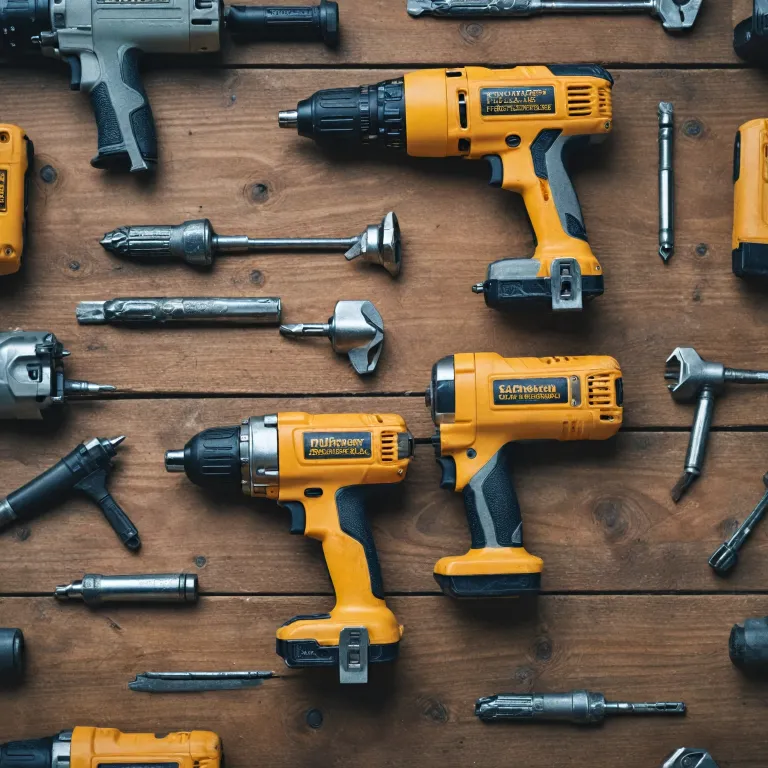
Understanding the basics of impact drivers and drills
How drills and impact drivers work
When looking at cordless drills and impact drivers, it’s important to understand how these power tools operate. Both are designed for drilling and driving tasks, but they use different mechanisms to deliver force and rotational power. A standard drill uses a steady rotational force to turn drill bits or driver bits, making it ideal for drilling holes in wood, metal, or plastic, and for driving small screws into softer materials.
Impact drivers, on the other hand, combine rotational force with quick, repeated bursts of impact. This force impact helps drive screws and fasteners into tougher materials or when working with large fasteners. The impact mechanism delivers higher torque than most standard drills, making it easier to drive long screws or bolts without stripping the bit or fastener.
Key differences in design and function
- Drills: Versatile for drilling holes and driving screws. They use adjustable speed and clutch settings to control torque, making them suitable for a wide range of drilling and driving tasks.
- Impact drivers: Specialized for driving screws and fasteners impact. They deliver higher torque through a hammering action, which is especially useful for tough materials or large fasteners.
While both tools can handle basic drilling and driving, the choice between a drill and an impact driver often comes down to the type of work you plan to do and the materials you’ll be working with. For a deeper dive into how impact drivers stand out in demanding tasks, check out this guide to the versatility of the Milwaukee impact driver.
Understanding these basics will help you compare features, choose the right tool for your needs, and use your cordless drills and drivers safely and effectively.
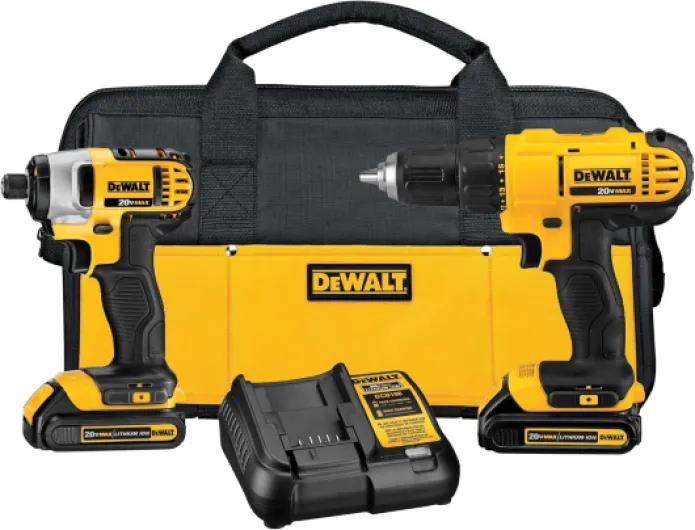
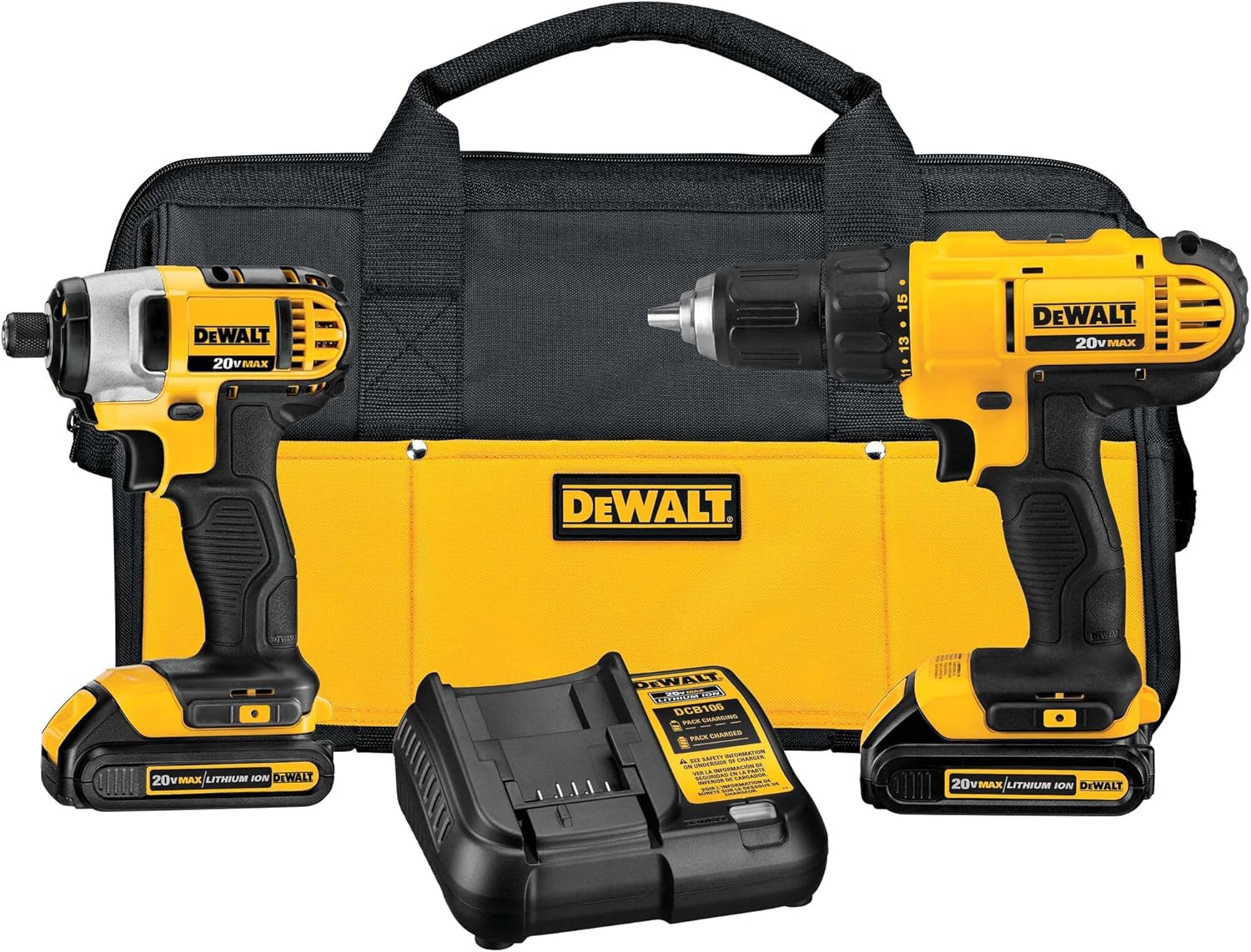
- + Includes 2 batteries
- + Cordless for convenience
- + Comes with charger and bag
- + Powerful 20V performance

Key features to compare in impact driver vs drill
Comparing Power and Performance
When looking at drills and impact drivers, the first thing to notice is how they deliver power. Drills use steady rotational force, which makes them ideal for drilling holes and driving small screws. Impact drivers, on the other hand, combine rotational force with quick bursts of impact. This extra force impact helps drive large fasteners and stubborn screws with less effort from the user.
Torque and Speed Differences
Torque is a key factor in choosing between these tools. Impact drivers offer much higher torque than standard drills, making them suitable for heavy-duty driving tasks. Drills typically have adjustable speed settings, giving more control for delicate jobs like drilling small holes or working with soft materials. Impact drivers usually have fewer speed options but excel in delivering high power for tough fasteners.
Bit Compatibility and Versatility
Both tools use different types of bits. Drills are compatible with a wide range of drill bits and driver bits, making them versatile for drilling and driving screws. Impact drivers require hex-shank bits designed to handle the force impact generated during use. If you plan on switching between drilling and driving tasks often, a drill driver combo or a cordless drill set with multiple bits can be a practical choice.
Handling and Ergonomics
Impact drivers are generally lighter and more compact than most cordless drills. This makes them easier to use in tight spaces or for overhead work. Drills, especially those with higher power, can be heavier but often provide better balance for precise drilling tasks. Consider the weight and grip of each tool, especially if you’ll be using them for extended periods.
Noise and Vibration
One thing to keep in mind is that impact drivers are noticeably louder and produce more vibration than drills. This is due to the internal mechanism that creates the impact force. If you’re working in noise-sensitive environments or need to minimize vibration, a drill might be the better option.
| Feature | Drill | Impact Driver |
|---|---|---|
| Power (Torque) | Lower, adjustable | Higher, fixed |
| Speed Control | Multiple settings | Limited settings |
| Bit Compatibility | Drill bits, driver bits | Hex-shank driver bits |
| Best For | Drilling holes, small screws | Driving large fasteners, tough screws |
| Noise/Vibration | Lower | Higher |
For a deeper look at how specific brands like Milwaukee approach impact drivers, check out this guide on exploring the versatility of the Milwaukee impact driver.
When to use an impact driver instead of a drill
Why impact drivers excel at tough driving tasks
When you’re faced with demanding driving tasks, such as securing large fasteners or driving long screws into dense materials, impact drivers often outperform traditional drills. The main reason is the unique mechanism inside impact drivers, which delivers rapid bursts of rotational force (torque) combined with concussive blows. This force impact helps the tool drive screws and fasteners with less effort from the user, reducing wrist strain and minimizing the risk of stripping screw heads.
- Higher torque: Impact drivers generate significantly more torque than standard drills, making them ideal for driving large fasteners and lag bolts.
- Efficient driving: The combination of rotational force and impact action allows for faster and more consistent driving, especially in tough materials like hardwood or metal.
- Less cam-out: The impact mechanism reduces the likelihood of the driver bit slipping out of the screw head, which is common with high-torque driving using regular drills.
Best scenarios for using an impact driver
Impact drivers shine in situations where you need to drive a lot of screws quickly, or when working with larger fasteners that require more power. For example, assembling decks, building fences, or installing subfloors are tasks where the extra force and speed of an impact driver make a noticeable difference. If you often work with long screws or bolts, or need to drive fasteners into tough materials, an impact driver is a valuable addition to your tool kit.
While impact drivers are excellent for driving screws and bolts, they are not designed for drilling holes with standard drill bits. For drilling holes, especially precise or large-diameter ones, a drill or drill driver is still the preferred tool. However, some impact drivers can handle special hex-shank drill bits for light drilling tasks, but their main strength remains in driving fasteners impact tasks.
For more insights into how different cordless drills and drivers can handle various tasks, including the versatility of specific brands, check out this guide on Stanley cordless drill sets.
Situations where a drill is the better choice
Why a Drill Excels in Precision and Versatility
While impact drivers are known for their high torque and force, there are many situations where a drill is the better choice. Drills offer greater control over speed and rotational force, making them ideal for tasks that require accuracy and finesse. If you need to drill holes in wood, metal, or plastic, a drill provides the steady rotational power needed for clean, precise results.
- Drilling holes: Drills are specifically designed for drilling holes of various sizes. With the right drill bits, you can achieve smooth, accurate holes in a range of materials.
- Driving small screws: When working with small screws or delicate fasteners, a drill allows you to adjust the speed and torque, reducing the risk of stripping threads or damaging the material.
- Versatile bit compatibility: Drills can accommodate a wide variety of bits, including driver bits and specialty attachments, expanding their usefulness for different drilling and driving tasks.
- Controlled driving: For tasks that require a gentle touch, such as assembling furniture or installing hardware, the lower force and adjustable speed of a drill are advantageous over the higher impact of an impact driver.
Drills are also preferred for tasks that involve repetitive drilling or driving in softer materials, where too much power from an impact driver could cause damage. Many cordless drills come with clutch settings, allowing you to fine-tune the torque for different fasteners and materials. This feature is especially helpful when working with small screws or when you need to avoid overdriving fasteners.
In summary, if your project involves drilling holes, working with small screws, or requires precise control over speed and torque, a drill or drill driver is often the superior power tool. The versatility and adjustability of cordless drills make them a staple in any toolkit, especially for tasks where accuracy and care are more important than raw power.
Choosing the right cordless drill set for your needs
Factors to Consider When Selecting a Cordless Drill Set
When choosing a cordless drill set, it’s important to match the tool to your typical drilling and driving tasks. The right set can make a big difference in efficiency, safety, and the quality of your work. Here are some key points to keep in mind:
- Power and Torque: Look for a drill or driver with enough power and torque for your most common jobs. Higher torque is essential for driving large fasteners or working with dense materials, while lower torque settings are better for small screws and delicate tasks.
- Speed Settings: Variable speed control lets you adjust the rotational force for different applications. Higher speeds are ideal for drilling holes, while lower speeds provide better control when driving screws or fasteners.
- Battery Life and Charging: Cordless drills rely on battery power, so consider the battery capacity (Ah) and charging time. Sets that include two batteries allow you to work continuously by swapping them out as needed.
- Included Bits and Accessories: A good drill set should come with a variety of drill bits and driver bits for both drilling and driving. Some sets also include specialty bits for impact drivers, which are designed to handle the force impact and rotational force required for tougher driving tasks.
- Ergonomics and Weight: Comfort matters, especially if you’ll be using the tool for extended periods. Lightweight, well-balanced cordless drills reduce fatigue and improve control during drilling driving operations.
- Versatility: Some sets combine a drill driver and an impact driver, giving you flexibility for both drilling holes and driving screws or fasteners impact. This is especially useful if you regularly switch between drilling and driving tasks.
Matching the Tool to Your Projects
If your projects involve a lot of drilling holes in wood or metal, a drill driver with adjustable speed and torque is a solid choice. For tasks that require driving large fasteners or working with tough materials, an impact driver or drivers impact set will deliver the necessary force and power. Many cordless drills now offer brushless motors, which provide higher efficiency and longer tool life.
For most DIYers and professionals, a comprehensive cordless drill set that includes both a drill and an impact driver, along with a range of drill bits and driver bits, covers the widest range of drilling and driving needs. This approach ensures you have the right power tool for every job, whether it’s assembling furniture, installing fasteners, or tackling renovation projects.
| Feature | Drill Driver | Impact Driver |
|---|---|---|
| Best for | Drilling holes, small screws | Driving screws, large fasteners |
| Rotational Force | Moderate | High (force impact) |
| Bit Compatibility | Drill bits, driver bits | Driver bits, impact-rated bits |
| Speed | Variable | Usually single, higher speed |
Choosing the right cordless drill set means considering the types of tools, bits, and features that fit your needs. By focusing on power, versatility, and included accessories, you’ll be well-equipped for a wide range of drilling and driving projects.
Tips for safe and effective use of impact drivers and drills
Essential Safety Practices for Cordless Drills and Impact Drivers
Using cordless drills and impact drivers can make drilling holes and driving screws much easier, but safety should always come first. Here are some practical tips to help you handle these power tools with confidence and avoid common mistakes:
- Wear protective gear: Always use safety glasses to shield your eyes from flying debris, especially when drilling or using higher torque settings. Gloves can help protect your hands, but make sure they don’t get caught in moving parts.
- Check your bits: Before starting, ensure your drill bits and driver bits are securely attached and in good condition. Worn or damaged bits can slip, break, or cause inaccurate drilling and driving tasks.
- Match the bit to the task: Use the correct bit for the material and fastener. For example, use drill bits for drilling holes and driver bits for driving screws or fasteners. Using the wrong bit can damage both your tool and your workpiece.
- Control your speed and torque: Adjust the speed and torque settings based on the task. Lower speeds and torque are ideal for small screws and delicate materials, while higher settings are better for large fasteners and tougher jobs. This helps prevent stripping screws or damaging surfaces.
- Keep a firm grip: Hold your drill or impact driver with both hands when possible. The rotational force and sudden force impact from these tools can cause them to twist unexpectedly, especially when working with dense materials or large fasteners.
- Secure your workpiece: Clamp down materials before drilling or driving. This prevents movement and ensures more accurate results, reducing the risk of injury or mistakes.
- Let the tool do the work: Don’t force the drill or driver. Apply steady pressure and let the tool’s power and rotational force handle the drilling or driving. Forcing the tool can lead to bit breakage or loss of control.
- Be mindful of battery life: Cordless drills and drivers lose power as the battery drains, which can affect performance and safety. Swap out batteries before they are fully depleted to maintain consistent force and speed.
- Store tools and bits properly: After use, clean your tools and store them in a dry place. Keep drill bits and driver bits organized to prevent damage and make them easy to find for your next project.
Effective Techniques for Drilling and Driving
- Start slow: When beginning to drill holes or drive screws, start at a lower speed. This helps you maintain control and prevents the bit from slipping.
- Use pilot holes: For large fasteners or dense materials, drill a small pilot hole first. This reduces the force required and helps prevent splitting or cracking.
- Switch between tools when needed: Impact drivers are excellent for driving large fasteners impact tasks, while drills are better for precise drilling holes. Don’t hesitate to switch between your drill driver and impact driver for the best results.
- Monitor heat buildup: Continuous drilling or driving can cause bits to overheat. Allow them to cool down between tasks to extend their lifespan and maintain performance.
By following these safety and usage tips, you can get the most out of your cordless drills, impact drivers, and driver drills while minimizing risks and ensuring efficient, accurate results in all your drilling and driving projects.