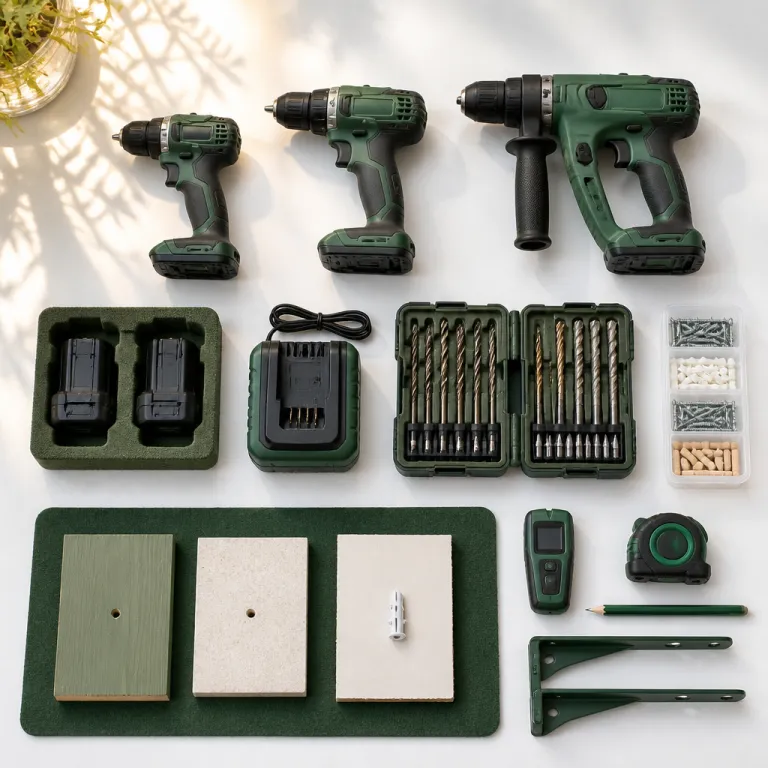
How to read “best cordless drill for home use” for your projects
Most people asking for the best cordless drill for home use really need a tool matched to shelves, blinds, and the occasional fence repair. The right cordless drill or drill driver depends on whether you mostly hang pictures in drywall, assemble flat pack furniture, or sink hundreds of deck screws into pressure treated lumber over a long weekend. Think in terms of the work you actually do, not the heavy duty renovation projects you only watch on television.
Start by mapping your projects to voltage and torque instead of chasing the biggest volt number or the highest advertised power. For light tasks such as curtain rods, cabinet hardware, and electrical plates, a compact 12 volt brushless cordless drill with a single battery and around 350 to 400 inch pounds of torque is usually the best balance of power and weight. Once you move into deck building, concrete anchors, or large spade bit holes in studs, a 18 to 20 volt cordless drill with a stronger brushless motor, higher amp hour batteries, and a proper hammer drill mode becomes more appropriate.
In testing across multiple drills, a pattern repeats for typical homeowners who buy cordless drills only every decade or so. A lighter 12 volt drill driver with a comfortable hold and good average speed handles roughly eighty percent of home tasks, while the bigger 18 volt hammer drill only feels necessary when you hit masonry or thick structural lumber. That is why the best cordless drill for home use is often a mid range brushless cordless kit rather than the most expensive heavy duty hammer drill from Milwaukee or DeWalt.
Voltage, torque and when a 12 volt drill is enough
Voltage on a cordless drill battery is a rough proxy for how much power the motor can deliver under load. For the best cordless drill for home use, the real question is whether 12 volt, 18 volt, or 20 volt tools give you enough torque to drill clean holes and drive screws without stalling. Most 12 volt drills tested recently can drive hundreds of deck screws on a single battery charge, which already covers far more work than the average homeowner tackles in a weekend.
For shelves, blinds, and furniture assembly, a compact 12 volt brushless cordless drill driver is usually the best choice because it weighs less and fits into tight corners more easily. These drills often pair a 2.0 amp hour single battery with a second pack in the kit, giving you two batteries to rotate while you work so you rarely hit a dead pack. If you occasionally need to drill larger holes with a spade bit or a 25 millimetre Forstner bit, a good 12 volt model with a strong brushless motor and a metal chuck still handles the job if you work at a moderate speed.
Once your projects include long ledger screws, lag bolts, or repeated hammer drill use in concrete, stepping up to an 18 or 20 volt platform makes sense. A DeWalt Max or Milwaukee M18 kit with 4.0 amp hour batteries and a rated torque above 600 inch pounds gives you a margin of safety for heavier work. For gift buyers comparing options, a detailed drill gift buyer’s cheat sheet by budget and platform can help narrow down whether a compact 12 volt kit or a mid range 20 volt hammer drill kit is the better cordless drills choice for the home you are equipping.
Why the motor and battery platform matter more than raw specs
When you compare drills tested across brands, the biggest real world difference for home users is not the peak torque number but whether the drill uses a brushless motor and which battery platform it belongs to. A brushless cordless drill wastes less energy as heat, so the same volt and amp hour rating delivers more usable work per charge and keeps the motor cooler under load. That is why a compact brushless 12 volt drill can sometimes outlast an older brushed 18 volt drill driver on the same deck project.
Choosing a battery platform is like choosing an operating system for your future power tools, because DeWalt Max, Milwaukee M18, Makita LXT, and Metabo HPT all lock you into their own batteries. If you already own DeWalt Volt or Milwaukee batteries, the best cordless drill for home use is usually another drill on that same platform, even if a competing kit looks slightly cheaper at first glance. Over ten years, the cost of extra batteries, chargers, and compatible tools such as impact drivers, circular saws, and oscillating tools dwarfs the price difference between two similar drills.
For homeowners starting from zero, a balanced 18 or 20 volt platform with a wide range of power tools often makes sense, especially if you plan to add a saw or nailer later. A dedicated guide to cordless drill sets with long battery life can help you compare which brands pair efficient brushless motors with higher capacity batteries in the 4.0 to 5.0 amp hour range. In practice, a mid size DeWalt DCD brushless kit with two 2.0 amp hour batteries and a compact charger already gives most households more runtime than they will use in a typical month of casual work.
Specific models that fit real home projects
Looking at specific drills tested in independent labs helps cut through marketing claims and Home Depot shelf tags. For general home improvement, the DeWalt DCD794B from the 20V Atomic line stands out as one of the best cordless drill for home use options because it combines a compact brushless motor, respectable torque, and a comfortable hold in a body that weighs less than many 12 volt competitors. Paired with a DeWalt Max 2.0 amp hour battery, this drill driver feels balanced overhead and still has enough power to drive long screws into framing lumber without bogging down.
Homeowners who value maneuverability above all else may prefer a compact 18 volt drill such as the Bosch GSB18V 65B12, which testers have praised for its size and control in tight spaces. While not as famous in the United States as DeWalt or Milwaukee, Bosch and Metabo HPT both offer well engineered cordless drills that often undercut the big two on price while matching them on brushless motor technology. If you mostly work in cabinets, under sinks, or inside closets, a shorter head length and lighter batteries matter more than raw hammer drill power or the highest advertised max torque.
On the other end of the spectrum, Milwaukee M18 Fuel hammer drills and certain heavy duty kits from Hercules HCB are built for daily jobsite abuse rather than occasional home use. These tools shine when you pair them with 5.0 or higher amp hour batteries and run large spade bit holes or masonry bits all day, but they feel overkill for hanging a few pictures. For many homeowners, the smarter move is a mid tier DeWalt DCD kit with two modest batteries and a year warranty or longer, rather than a flagship Milwaukee hammer drill that never leaves second gear in real work.
Ergonomics, speed control and what makes a drill pleasant to use
Specifications on the box rarely tell you how a cordless drill feels after an hour of overhead work. The best cordless drill for home use combines a comfortable hold, predictable trigger response, and a clutch that slips before it strips brass or cabinet screws. Weight distribution between the drill body and the battery pack matters as much as total mass, because a nose heavy drill makes your wrist fight the tool on every hole.
When you test drills side by side, pay attention to how smoothly the variable speed trigger ramps from a slow start to full speed, especially in the low gear used for driving screws. A good drill driver lets you feather the trigger to maintain an average speed that keeps the screw moving without cam out, while a poor trigger jumps from nothing to too fast and chews up bit heads. Look for a two speed gearbox with a clear detent between low and high, and a clutch ring that offers at least fifteen settings plus a dedicated drill mode.
Small design touches also separate a merely adequate cordless drill from one you enjoy using for years. An LED placed above the trigger instead of in the base throws light where the bit meets the work, which matters when you are drilling into the back of a dark cabinet. A metal ratcheting chuck holds round shank bits and spade bit shafts more securely than a plastic chuck, and a belt hook that can swap sides helps both left and right handed users keep the drill ready without dropping it on the floor.
Kits, warranties and how to avoid paying for the wrong extras
Retailers love to stack bright boxes of cordless drills in kit form, but the best cordless drill for home use is not always the biggest bundle at Home Depot. A typical kit includes the drill, two batteries, a charger, and sometimes extra tools such as a work light or a basic bit set, yet many homeowners only ever use the drill driver itself. Before paying more for a combo, ask whether you will actually use the extra tools or whether that money would be better spent on a higher quality drill with a brushless motor and a longer year warranty.
If you already own compatible batteries from DeWalt, Milwaukee, Metabo HPT, or another brand, buying a bare tool instead of a full kit can save a meaningful amount. In that case, make sure your existing batteries have enough amp hour capacity to support the new drill, because an under sized single battery will limit runtime and power. For new buyers, a mid range kit with two 2.0 to 4.0 amp hour batteries usually offers the best balance between cost and flexibility, giving you one pack on the drill and one on the charger while you work.
Sales events can be useful if you understand how discounts really work across power tools and cordless drills. A detailed guide to reading promotional bundles and avoiding low value add ons helps you focus on motor type, battery platform, and warranty instead of free flashlight hype. Over the life of the drill, what matters is not the extra plastic in the box but how confidently it sinks the tenth deck screw at a frozen six in the morning when you are trying to finish a job before work.
Key figures every home drill buyer should know
- Most modern 12 volt brushless cordless drills deliver around 30 to 40 newton metres of torque, which translates to roughly 265 to 354 inch pounds and is enough for typical household tasks such as shelving and light framing according to multiple independent lab tests.
- Consumer testing has shown that a quality 12 volt drill with a 2.0 amp hour battery can drive more than 200 standard deck screws into softwood on a single charge, while comparable 18 volt drills with 4.0 amp hour batteries often exceed 400 screws before needing a recharge.
- Weight differences between platforms are significant, with many 12 volt drills weighing around 1.0 to 1.2 kilograms with battery installed, compared with 1.6 to 2.0 kilograms for typical 18 or 20 volt hammer drills, which strongly affects fatigue during overhead work.
- Warranty periods for mainstream cordless drills usually range from one to five years, and brands that offer at least a three year warranty on both the drill and the batteries tend to rank higher in long term owner satisfaction surveys.
- Independent reliability studies have found that battery related issues account for more than half of cordless drill failures reported within the first five years, underscoring the importance of choosing a robust battery platform and storing packs properly between projects.
FAQ about choosing the best cordless drill for home use
Is a 12 volt drill really enough for most homeowners ?
For the majority of homeowners, a good 12 volt brushless cordless drill provides enough power to handle about eighty percent of common tasks such as hanging shelves, assembling furniture, and drilling small holes in wood or metal. The lighter weight and smaller size make it easier to control, especially for overhead work or tight spaces. Only if you regularly build decks, work with thick structural lumber, or drill into concrete do you truly need to step up to an 18 or 20 volt hammer drill.
Should I choose DeWalt, Milwaukee, or another brand for my first drill ?
DeWalt and Milwaukee both offer extensive 18 and 20 volt platforms with strong performance, but they are not the only good choices for the best cordless drill for home use. Bosch, Makita, and Metabo HPT also produce reliable brushless drills, often at slightly lower prices while still supporting a full line of compatible power tools. The smartest approach is to pick the battery platform that matches any tools you already own or plan to buy, then choose a mid range brushless drill driver within that ecosystem.
What size battery do I need for occasional home projects ?
For occasional weekend projects, two batteries in the 2.0 to 4.0 amp hour range usually provide more than enough runtime. A single 2.0 amp hour pack on a 12 or 18 volt drill can already drive hundreds of screws, and having a second battery on the charger prevents downtime. Larger 5.0 amp hour batteries add runtime but also add weight, which may not be worth it if you mostly do short bursts of work around the house.
Do I really need hammer drill mode for home use ?
Hammer drill mode is only necessary if you plan to drill into masonry, brick, or poured concrete for tasks such as installing anchors for shelves or outdoor fixtures. Many homeowners can skip hammer drill capability entirely and choose a lighter standard drill driver, especially if their walls are mostly wood framing and drywall. If you occasionally need masonry holes, you can either buy a compact hammer drill or rent a dedicated rotary hammer for those rare projects.
How long should a good cordless drill last in home use ?
A quality brushless cordless drill from a major brand, paired with properly stored lithium ion batteries, should last at least eight to ten years in typical home use. The motor and gearbox usually outlive the first set of batteries, so you may need to replace packs once during that time. Choosing a platform with a solid warranty and widely available replacement batteries helps ensure your drill remains useful long after the original kit packaging is gone.