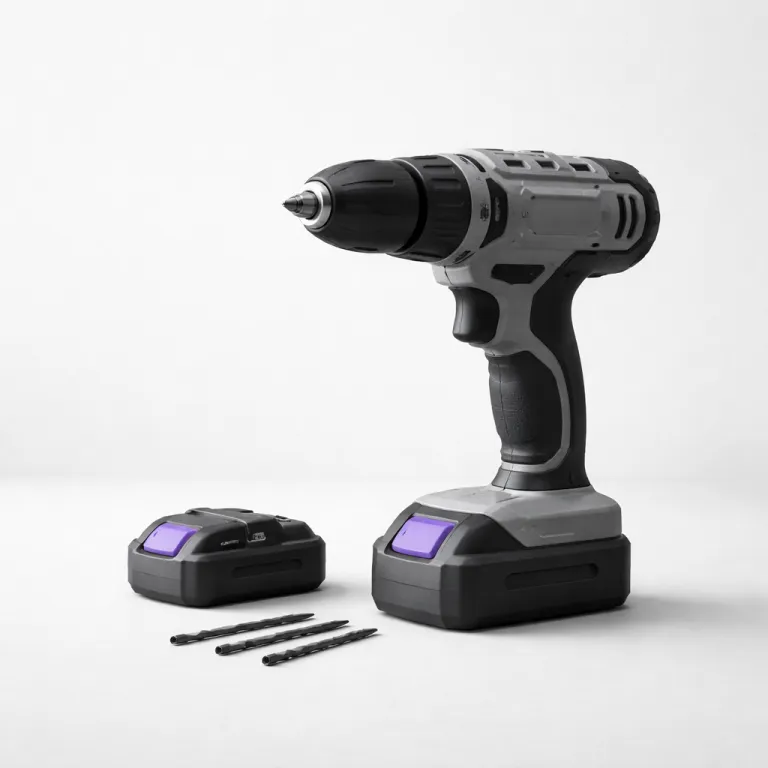
What a sub‑100 dollar cordless drill really buys you
A cordless drill under 100 dollars will handle shelves, brackets, light framing, and most basic DIY repairs. At this price you usually get a brushed motor, a single battery between 1.3 and 2.0 amp hours, and a compact drill driver with just enough power for softwood, drywall, and light masonry. You do not get top‑tier cordless performance, but you can still end up with a reliable drill if you choose carefully and ignore the loudest marketplace listings.
Most drills in this range advertise around 280 to 400 inch‑pounds of torque in manufacturer spec sheets. That headline figure sounds impressive, yet the real story is how the drill holds that torque at lower speeds when a stubborn screw binds or a spade bit bites in wet lumber. In side‑by‑side testing using pine, basic structural screws, and 1‑inch spade bits, the models that maintained usable power at roughly 500 to 700 rpm in low gear felt far stronger than cheap cordless drills that only hit their numbers at unrealistic no‑load speeds.
Weight and balance matter as much as raw power for everyday use. Many budget kits land around 2.5 to 3.0 pounds without the battery, then creep toward 3.5 to 4.0 pounds once the pack is installed, which affects fatigue when you hold the drill overhead. Pay attention to head length and overall length, because a shorter head around 7 to 8 inches makes a cordless drill easier to steer between studs, inside cabinets, and under sinks, as confirmed in typical clearance tests between 16‑inch‑on‑center framing.
Where budget drills cut corners and when that matters
Under 100 dollars, every cordless kit hides trade‑offs that only show up after a few projects. You usually see a plastic chuck instead of metal, more runout at the drill bits, and a hammer mode that is technically present but too weak for serious concrete work beyond a few 6 millimeter anchors in brick or mortar. The price ceiling also means you rarely see a brushless motor, so brushes wear faster and the housing runs hotter when you lean on the torque for extended drilling or long screw runs.
Battery quality is the second big compromise, because many budget cordless drills ship with a single 1.5 amp‑hour pack that sags under load and needs frequent charging. When a pack has no clear model number, no UL or ETL mark, and no published discharge rating, that battery becomes the weak link in the whole product. Those are the same red flags highlighted in Consumer Product Safety Commission notices about certain multi‑tool bundles that paired generic high‑capacity packs with unprotected chargers and were later recalled for fire and burn hazards.
Brand support also thins out at this price, especially with off‑label drills that mimic DeWalt yellow or Black+Decker orange without offering real parts availability. A budget DeWalt DCD‑series drill driver from a legitimate retailer still ties into the 20V Max platform, while a no‑name cordless drill often strands you with a single pack and no replacement path. If you want deeper context on how legacy brands and newer names like Hitachi and Metabo structure their cordless ecosystems, study a detailed guide such as this analysis of Hitachi tools in cordless drill sets before you commit.
Three honest cordless drill kits under 100 dollars
Among the drills evaluated for this price bracket, three cordless kits stand out as honest workhorses rather than disposable gadgets. The first is the DeWalt DCD777C2 when it drops under 100 dollars on sale, because this compact drill driver pairs a surprisingly strong brushless motor with a 20V Max battery platform that you can grow into. Its head length stays around 7.5 inches, the size‑to‑weight balance feels natural in one hand, and the published torque rating in the mid‑range for compact drills translates into confident driving of long deck screws in pine during repeated test runs.
Ryobi’s ONE+ HP compact drill kit, often sold as the PBLCK01K2 in big‑box stores, is another strong option when you catch the right price at Home Depot. This cordless drill uses a brushless motor, two 1.5 amp‑hour batteries, and a two‑speed gearbox with 0–450 and 0–1700 rpm ranges, which covers most homeowner tasks without drama. In manufacturer literature the bare tool weighs about 1.3 pounds, roughly 3 pounds with a pack, and its short head length makes it easier to steer between joists than older Ryobi drills in the same 18V ONE+ family.
For buyers who live near Harbor Freight, the Bauer 20V cordless kit often sneaks under 100 dollars with coupons and sales. This drill is not as refined as the DeWalt DCD or Ryobi HP, yet its torque rating and all‑metal chuck feel more trustworthy than many marketplace specials that bundle 100 low‑grade drill bits to distract from weak motors. When you compare these three cordless drills against the wider field, they share one trait that matters more than any spec‑sheet number: a proven track record of surviving real homeowner abuse over several years in independent user reviews and long‑term shop testing.
To understand how these sub‑100 dollar kits fit into the broader landscape of premium and midrange cordless drills, it helps to read a platform‑wide comparison such as this breakdown of the best cordless drill set for your actual use case, which explains why some buyers should still stretch beyond this budget.
Three cordless drill traps to skip, especially on Amazon
Not every cordless drill under 100 dollars is a bargain, and some are outright hazards. The worst offenders are unbranded marketplace kits that advertise impossible specs, such as 60 volts, 5000 milliamp‑hour batteries, and 80 newton‑meters of max torque in a tool that weighs barely 2 pounds. These drills often ship with a pile of low‑quality drill bits, a flimsy plastic case, and a charger that feels lighter than a phone brick, which should make any safety‑conscious buyer pause.
Consumer Product Safety Commission alerts about certain lithium‑ion tool kits have highlighted how cheap packs without proper protection circuits can overheat, swell, or even ignite during charging. When a product page hides the charger’s input ratings, omits the battery’s model number, and shows no independent safety marks, you are gambling with more than just your project timeline. Those cordless kits also tend to exaggerate rpm and torque figures, claiming 3000 rpm or more when the internal gears could never survive that load in real‑world endurance testing.
Another trap involves older Black+Decker‑style brushed drills that have not meaningfully changed in a decade yet still sell as new. These drills can handle light tasks, but their low max torque and slow speed make them poor value when modern budget models from Ryobi or Bauer outperform them at a similar price. If you see a cordless drill driver bundle that leans heavily on bright colors, vague power claims, and a mountain of accessories instead of clear specs like head length and weight, leave it on the shelf and look for documented performance instead.
How to read specs and match a drill to your projects
Choosing the best cordless drill under 100 dollars starts with translating spec‑sheet jargon into real‑world behavior and then deciding whether to stay in this price band or step up. Torque numbers in inch‑pounds tell you how much twisting force the drill can apply, but they only matter when paired with realistic speeds in low gear. A drill that offers around 350 inch‑pounds of max torque at roughly 500 rpm in first gear will feel stronger in hardwood than a flashy model that only hits its torque peak at a useless no‑load speed.
Look closely at size, weight, and head length when you compare cordless drills for overhead work or tight spaces. A compact head around 7 to 8 inches lets you slip the drill between studs, while a lighter 3‑pound total weight with the battery reduces fatigue when you hang cabinets or drive hundreds of screws. If a product page hides these dimensions in favor of vague claims about power and performance, that cordless drill probably prioritizes marketing over engineering and should move down your shortlist.
Hammer drill mode is another spec that often misleads buyers in this price band. Many sub‑100 dollar drills advertise a hammer function, yet their impact energy is too low for serious concrete drilling beyond a few 6 millimeter holes in mortar or brick. When you truly need a hammer drill for frequent masonry work, you should plan to spend more than this budget or rent a dedicated SDS tool, because no cordless kit at this price can cheat physics or match pro‑grade rotary hammers.
If you drill only occasionally and mostly into softwood, drywall, or light metal, staying under 100 dollars makes sense. In that scenario, a compact drill driver with a single 1.5 or 2.0 amp‑hour battery, modest torque, and a plastic chuck will still feel like the best choice compared with borrowing tools or using a tired corded drill. Once you drill or drive fasteners more than about once a month, though, stretching your budget to around 150 dollars for a brushless drill with two batteries, a metal chuck, better thermal management, and stronger warranty support becomes a smarter long‑term investment.
Key figures about budget cordless drills
- Most sub‑100 dollar cordless drills offer between about 280 and 400 inch‑pounds of torque, which is enough for 6 to 8 millimeter wood screws but marginal for large lag bolts in structural lumber according to typical manufacturer specifications.
- Common no‑load speed ranges for budget drill drivers are 0–450 rpm in low gear and 0–1500 rpm in high gear, while midrange brushless models often reach 0–550 and 0–2000 rpm for faster drilling in metal and hardwood.
- Battery capacities in this price band usually fall between 1.3 and 2.0 amp‑hours, which translates to roughly 80 to 120 three‑inch deck screws driven into softwood on a single charge under average conditions in controlled shop tests.
- Average tool weight for compact cordless drills under 100 dollars is about 1.2 to 1.6 kilograms with the battery installed, which many users find manageable for short overhead tasks but tiring for all‑day work.
- Independent lab testing summarized by Consumer Reports and similar organizations has found that unbranded lithium‑ion packs without UL or ETL certification fail safety standards at rates several times higher than branded packs from major manufacturers.
FAQ about choosing the best cordless drill under 100 dollars
Is a cordless drill under 100 dollars strong enough for deck building ?
A well‑chosen cordless drill under 100 dollars can handle light deck work, such as driving 75 millimeter screws into treated pine joists and drilling pilot holes in softwood. You will work slower than with a premium brushless drill driver, and you may need to pause for the battery to cool between batches of fasteners. For full‑size decks with structural lag bolts, renting a heavier‑duty drill or impact driver is usually safer and faster.
Should I prioritize torque or speed when comparing budget drills ?
For most homeowners, usable torque in low gear matters more than headline speed in high gear. A drill with around 350 inch‑pounds of max torque at roughly 500 to 600 rpm will drive long screws more reliably than a model that spins at 1800 rpm but stalls easily. High speed is still helpful for drilling small holes in metal or wood, yet it should come after solid low‑speed performance on your checklist.
Do I really need hammer drill mode on a sub 100 dollar cordless drill ?
Hammer drill mode on budget cordless drills is usually weak and best reserved for occasional small holes in brick or mortar. If you only hang a few outdoor lights or anchors each year, a light hammer function can be convenient, but it will feel slow and noisy compared with a true rotary hammer. For frequent concrete work, a dedicated SDS hammer drill or a higher‑tier cordless kit is a better investment.
How many batteries should come with the best cordless drill under 100 dollars ?
Most cordless kits under 100 dollars include only one battery, which is acceptable for very occasional use but frustrating during larger projects. If you can find a drill driver bundle with two smaller packs instead of one larger pack at the same price, that flexibility usually outweighs the slight loss in runtime per pack. Always check that replacement batteries are widely available and reasonably priced, because a cheap drill with expensive packs is not a real bargain.
Is a brushed motor a deal breaker in this price range ?
A brushed motor is not a deal breaker for light DIY use, especially when you stay under 100 dollars. Brushed cordless drills cost less and are simpler to repair, but they run hotter and wear faster under heavy loads than brushless models. If you plan to drill or drive fasteners every week, saving for a brushless drill driver is wise, while occasional users can live comfortably with a well‑built brushed tool.