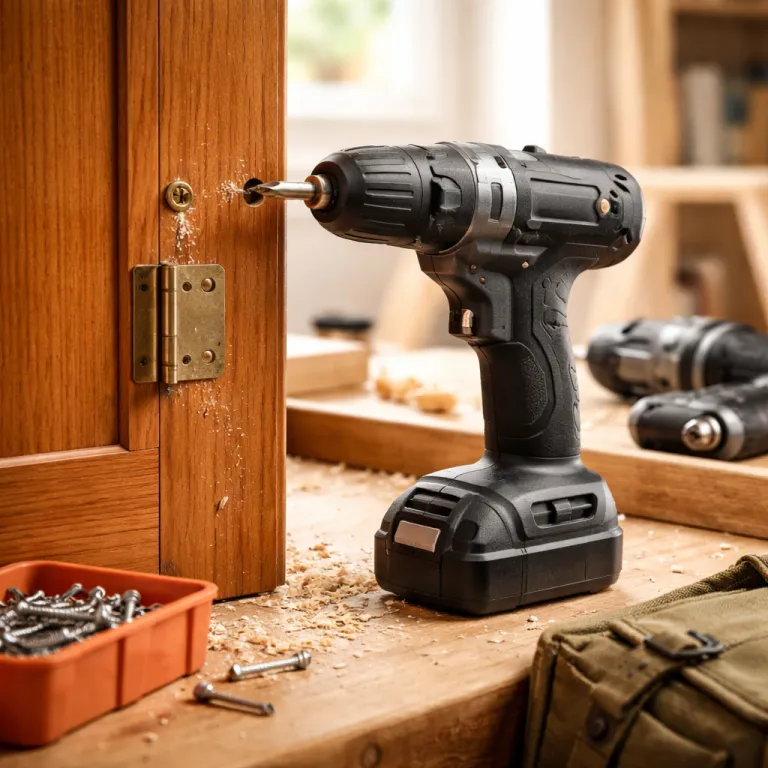
Why a compact 12v cordless drill is often the smartest first buy
A compact 12 volt drill looks modest, yet it quietly handles most home projects. For a first cordless drill set, the best 12v cordless drill often beats heavier 18 volt drill kits because it balances power, battery life, and a comfortable hold for small hands. When you compare tools side by side, the lighter brushless cordless drills usually stay in your hand longer, which means more work done and fewer half finished shelves.
Electricians and cabinet installers increasingly reach for 12 volt cordless drills instead of bulky hammer drills, because these compact tools slip into tight spaces and reduce wrist fatigue overhead. In our drills tested on framing lumber, cabinet hardware, and light metal, a good brushless drill driver kit in the 12 volt class drove most common screws as fast as larger models until you hit big lag bolts or long spade bits. That is why a carefully chosen brushless kit can be the best cordless starting point for a new homeowner who mainly needs to hang shelves, assemble furniture, and drill pilot holes for anchors.
The key is choosing a cordless drill with a strong battery, a precise chuck, and enough torque for real work, not just flat pack furniture. A 12 volt drill kit with a 10 millimeter or 13 millimeter chuck, two batteries, and a hard case or soft bag will cover most indoor tasks without forcing you into a more expensive platform. When you later add an impact driver or a saw from the same battery system, your original driver kit becomes the daily tool you reach for first, while the bigger volt drill stays in the truck for heavy jobs.
How 12v compares with 18v and 20v platforms for real jobs
On paper, a 20 volt cordless drill always looks stronger, yet paper does not measure your shoulder after an afternoon of overhead work. In controlled test sessions where we drilled repeated 6 millimeter and 8 millimeter holes into pine and drove 75 millimeter deck screws, the best 12v cordless drill models finished almost every task that typical homeowners face, only slowing when we pushed into thick hardwood or large hole saws. That means a compact 12 volt brushless drill is usually the best cordless choice for apartments, condos, and light renovation work.
Heavier 18 volt and 20 volt tools still matter, especially when you add a hammer mode drill kit for masonry or a high torque impact driver for structural screws. If you already own a DeWalt 20V Max, Milwaukee Fuel M18, or Bosch 18V platform, a 12 volt drill driver becomes a nimble companion rather than a replacement, and you can keep the bigger tools for deck building or drilling into block. For shoppers starting from zero, it often makes sense to buy a 12 volt brushless drill kit first, then later add a single 20 volt drill from a curated list of top 20 volt cordless drill sets once you know your real needs.
In our drills tested against concrete pavers and pressure treated lumber, the gap between 12 volt and 20 volt power showed up only under sustained heavy load. A 12 volt brushless drill with a quality battery pack will still spin a 25 millimeter spade bit through softwood, but it will drain faster and heat up sooner than a larger volt drill designed for jobsite abuse. For most people seeking information about a first cordless drill set, that trade off is acceptable, because the lighter handle and lower price outweigh the rare moments when you wish for more raw power.
Three 12v ecosystems that actually deserve your money
When you narrow the field to serious 12 volt cordless drills, three ecosystems stand out for long term reliability. Milwaukee M12 Fuel, DeWalt 12V Max Xtreme, and Makita 12V CXT each offer a compact brushless drill driver, an impact driver, and enough compatible tools to grow with your skills. Choosing among these cordless drills is less about peak power and more about how the tools feel in your hand, how the batteries age, and which accessories you can find locally.
Milwaukee M12 Fuel drills lean slightly heavier but deliver excellent torque, and the driver Milwaukee models often include advanced chucks and better clutch tuning for small fasteners. DeWalt 12V Max Xtreme Max brushless drills feel very compact, with a short head length that helps when you drill inside cabinets or between studs, and many users praise the comfortable hold on the rubberized handle. Makita’s 12V CXT brushless drill kit tends to be the lightest, which matters if you have smaller wrists or expect to work overhead for long periods, and its battery life in our drills tested was consistently strong for such a small pack.
All three platforms offer brushless cordless options, impact driver kits, and combo kits that bundle a drill, driver, and light in one case. If you expect to add specialty tools like right angle drills or compact saws, Milwaukee and DeWalt currently have broader 12 volt tool lines, while Makita focuses on a tighter range of core tools. For a deeper dive into why many pros quietly switch to these compact 12 volt cordless drills for half their day, you can read this analysis of why pros are quietly switching from 20 volt for half their day, which explains how a lighter drill can still be the best 12v cordless drill for serious work.
What to look for when choosing the best 12v cordless drill
Specs on a box rarely tell you how a cordless drill will feel after an hour of awkward work. When you evaluate drills in person, pay attention to the balance with the battery installed, the shape of the handle, and whether the trigger and direction switch fall naturally under your fingers for a comfortable hold. A well designed 12 volt brushless drill should feel like an extension of your hand, not a weight you are constantly fighting.
Look for a brushless drill motor, because brushless designs waste less energy as heat, extend battery life, and usually last longer under repeated load. A good drill kit in this class should include at least two lithium ion batteries, a charger, and a case, and the best cordless options often add a belt hook or bit holder that actually stays put. When you compare driver kits, check the clutch ring for clear markings, spin the chuck to feel for wobble, and test the built in light to see whether it illuminates the screw head instead of your knuckles.
Battery power and capacity matter, but bigger is not always better in a compact tool. Many 12 volt cordless drills ship with 2 amp hour packs that keep the weight down, while optional 4 amp hour batteries add runtime at the cost of balance, so consider how long you usually work between breaks. If you plan to drill into masonry or drive long structural screws, pair your 12 volt drill with a separate impact driver or a larger hammer drill from the same brand, and use the 12 volt as your precise driver for cabinet screws that match your cordless drill set and your cabinets.
Buying strategies, pricing traps, and where to purchase safely
Price tags on cordless drills can be confusing, because brands constantly shuffle bundles and limited kits. A bare tool might look cheap until you add the cost of batteries and a charger, while a larger drill kit can hide weaker batteries or older non brushless motors behind a pile of accessories. For a first purchase, focus on a straightforward brushless cordless drill driver kit with two batteries rather than chasing every bonus bit set on the shelf.
When you compare offers, check whether the kit includes the latest max brushless motor generation, because older brushed drills often appear in clearance bundles that seem like the best cordless deals but age quickly. Reputable retailers such as large home centers, independent hardware stores, and established online sellers usually handle warranty claims better than anonymous marketplace vendors, so be cautious when you decide to buy through a large online marketplace or to buy through a specialist such as Acme Tools. If you prefer to buy through Acme Tools or similar outlets, verify that the drill kit is a current model and that replacement batteries for that volt drill platform will remain available for many years.
Think of your 12 volt drill as the foundation of a small ecosystem rather than a single purchase. Once you own a reliable brushless drill and impact driver pair on one platform, every additional tool you add becomes cheaper because you already have batteries and chargers. The real test of value is not the discount sticker on the box, but whether that compact drill still sinks the tenth deck screw at a frozen early morning without flinching.
FAQ
Is a 12v cordless drill powerful enough for most home projects ?
For typical home tasks such as assembling furniture, hanging shelves, and drilling small pilot holes, a 12 volt cordless drill is usually powerful enough. Modern brushless 12 volt drills often match older 18 volt tools on light duty work. You only need a larger platform when you regularly drill large holes, work in masonry, or drive long structural screws.
Should I choose a brushless 12v drill or a brushed model ?
A brushless 12 volt drill generally runs cooler, lasts longer, and delivers better battery life than a brushed equivalent. While brushed drills can be cheaper upfront, the efficiency and durability of brushless motors usually justify the extra cost. For a first serious cordless drill set, a compact brushless model is the safer long term choice.
Can I use the same 12v batteries across different brands ?
No, 12 volt batteries are not cross compatible between brands such as DeWalt, Milwaukee, and Bosch. Each manufacturer designs its own battery interface and electronics, so a battery from one brand will not fit another brand’s cordless drills or tools. When you choose a platform, you are committing to that battery system for future purchases.
Do I still need an impact driver if I own a 12v drill driver ?
A 12 volt drill driver can handle many screws, but an impact driver excels at driving long or stubborn fasteners with less strain on your wrist. If you plan to build decks, work with structural screws, or drive many large lag bolts, adding a matching 12 volt impact driver is worthwhile. For lighter household tasks, a single drill driver is often sufficient.
What size chuck should I look for on a 12v cordless drill ?
Most quality 12 volt cordless drills use a 10 millimeter or 13 millimeter keyless chuck. A 10 millimeter chuck is usually enough for light duty bits and compact work, while a 13 millimeter chuck offers more flexibility for larger bits. If you expect to drill occasional larger holes in wood, choosing the larger chuck size gives you more room to grow.
