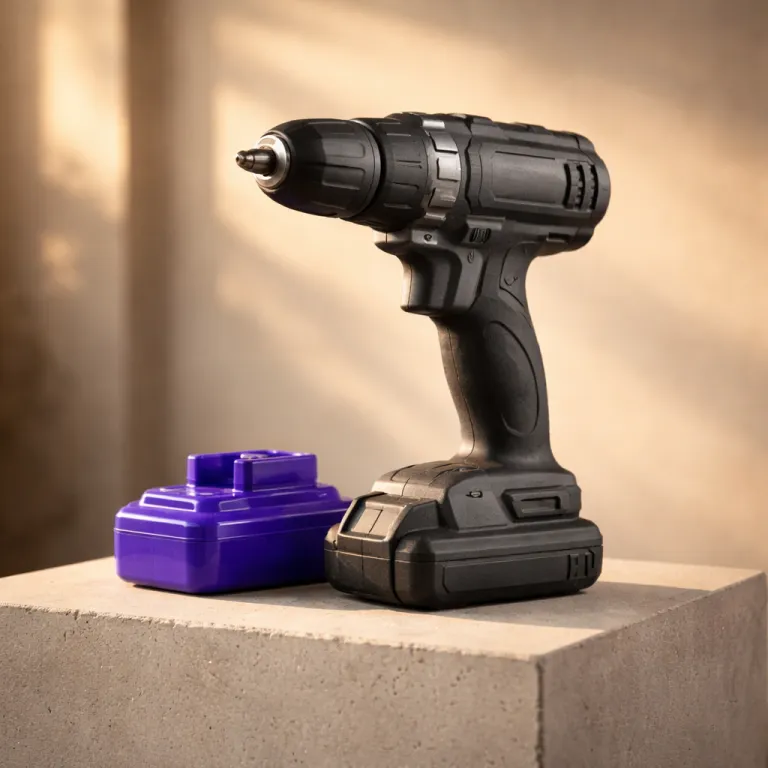
Ridgid Nuke 18V drill: specs, weight and real job site power
The Ridgid Nuke 18V drill lands as a subcompact tool with numbers that usually live in heavier cordless power tools. Ridgid’s preliminary spec sheet and early hands-on impressions from trade reviewers put its brushless motor at roughly 700 to 750 inch pounds of torque, with a claimed bare weight around 1.1 kg and about 2.4 lbs including a compact 2.0 Ah battery. That puts this compact Ridgid Nuke 18V drill in the same weight power neighborhood as Milwaukee M12 Fuel and DeWalt Atomic drills while pushing closer to their 18 V max torque figures, and it does so without stepping into full size hammer drill territory.
Ridgid positions the Nuke subcompact drill as the compact lightest option in its 18 V cordless tool line, about 20 percent shorter than previous compact Ridgid drills. On paper that shorter length matters when you are driving a driver bit between joists, hanging cabinets or drilling pocket holes where every millimeter of reach counts. The Ridgid Nuke 18V drill keeps the head length trimmed while still promising high speed ranges and a two mode impact style clutch that should handle both delicate screws and stubborn fasteners, with a metal chuck and all metal gear train aimed at regular job site abuse.
The core drill kit will ship as a Home Depot Ridgid exclusive according to Ridgid’s launch materials, with a soft bag, a single 2.0 Ah battery, and a basic 18 V battery charger. Ridgid will also sell the Ridgid Nuke 18V drill as part of a larger combo kit that bundles an impact driver and sometimes a hammer drill for masonry work. For buyers already on the Ridgid 18 V platform, the ability to reuse existing batteries and a compatible battery charger keeps the effective kit impact cost low and makes the new Nuke tools easier to justify, especially when you can rotate in higher capacity packs for longer runtime.
Ridgid’s published torque figure for the Nuke 18V drill pushes it into high torque territory usually reserved for heavier power tools. That matters when you are boring 25 mm holes through studs or running long ledger screws where a weaker drill stalls and cooks its brushless motor. While inch pounds are not the same as the newton meters you see on European drills, the headline number still signals that this compact cordless tool is built for more than flat pack furniture, and early test rigs show it maintaining close to its rated torque through several consecutive large hole bores before any thermal cutoff.
Weight and balance are just as important as raw power when you are working overhead with any cordless drill. A subcompact drill that stays near 2.4 lbs with a 2 Ah battery keeps wrist strain down during long days of driving deck screws or drilling pilot holes in joists. The Ridgid Nuke 18V drill aims to be the compact lightest option in the Ridgid cordless power range, and that lightest weight claim will appeal to anyone who spends hours on a ladder, especially electricians and cabinet installers who swap between drill and impact driver constantly.
Ridgid’s Nuke subcompact line also includes a Stealth Force style impact driver that uses an oil pulse mechanism to cut noise dramatically. That oil pulse technology, similar to other stealth force impact drivers on the market, trades some peak mode impact hits for a smoother, quieter driving feel. For users who work in occupied homes or shared spaces, pairing the Ridgid Nuke 18V drill with a quieter impact driver in one combo kit could be more valuable than chasing a few extra inch pounds of max torque, particularly when late night punch list work is part of the job.
How the Nuke subcompact line stacks up against Ryobi, Milwaukee and DeWalt
At the expected 99 to 139 dollar price range for the basic Ridgid Nuke 18V drill kit, based on current Ridgid 18 V bundles at Home Depot, Ridgid is clearly targeting Ryobi One Plus and DeWalt Atomic buyers who want more power without Milwaukee pricing. Ryobi kits often win on sticker price but bring heavier tools, brushed motors and lower max torque ratings that show up when you hit the tenth lag bolt of the day. The Nuke subcompact drill and impact driver combo kit undercuts many Milwaukee M12 Fuel bundles while promising closer to 18 V performance and better cordless power headroom for future tools.
Milwaukee’s M12 Fuel drill remains a benchmark for compact lightest weight and refined ergonomics, but its 12 V batteries limit high speed drilling in thicker stock. DeWalt Atomic 20 V Max drills split the difference with decent torque and compact size, yet their kits often include smaller batteries that sag under continuous impact driver use. Ridgid Nuke kits lean on the existing Ridgid 18 V battery ecosystem, so a buyer can start with a single battery kit and later add higher capacity batteries without replacing the original drill or charger, keeping long term platform costs predictable.
For heavy duty fastening, the Nuke subcompact impact driver with Stealth Force style oil pulse technology becomes the more interesting tool in the line. Traditional impact drivers deliver sharp mode impact blows that can be fatiguing and extremely loud in enclosed spaces. An oil pulse impact driver smooths those hits, and when paired with the Ridgid Nuke 18V drill in a combo kit, it gives a homeowner or light pro a versatile cordless tool pairing that covers most wood, metal and light masonry tasks while keeping noise levels more manageable.
Platform strategy at Home Depot is now clearer, with Ryobi positioned as the entry cordless tool brand, Ridgid Nuke as the serious DIY and side gig contractor step up, and Milwaukee M18 as the full pro tier. That means the Ridgid Nuke 18V drill must justify its place with better power to weight ratios and more durable brushless motors than Ryobi, without reaching Milwaukee prices. For buyers comparing torque specs and reading about torque management in cordless drill sets, resources that explain why a 34 torque wrench matters for consistent clamping force can help frame how much power they actually need.
Real world comparisons will hinge on how the Ridgid Nuke 18V drill handles repeated high torque tasks rather than single hole tests. A drill that claims 700 plus inch pounds but overheats or triggers thermal cutoffs after a few large holes is less useful than a slightly weaker tool that keeps turning. That is why experienced users pay attention to both the published max torque and the sustained performance under load, especially when they already own other power tool platforms and want to avoid buying into a cordless system that fades under continuous duty.
For many homeowners, the decision will come down to whether the Ridgid Nuke combo kit offers enough value over a discounted DeWalt Atomic or Milwaukee M12 Fuel set. If you already own Ryobi batteries, staying with that platform may still be cheaper, but the lighter weight and stronger brushless motors in the Nuke subcompact line could justify a switch. The tracking codes you see in online listings will not help you choose, so focus instead on torque, weight in lbs, battery capacity and whether the included charger supports future higher capacity batteries.
Who should buy the Ridgid Nuke now, and who should wait
The Ridgid Nuke 18V drill makes the most sense for a first time buyer who wants a serious cordless drill set without paying Milwaukee M18 Fuel prices. If you are walking into a store torn between DeWalt 20 V Max, Milwaukee M18 and a cheaper Ryobi kit, the Nuke subcompact combo kit offers a middle path with more headroom than Ryobi and lower cost than Milwaukee. For users who already own Ridgid batteries and chargers, adding the Ridgid Nuke 18V drill as a new compact lightest body only tool is an easy upgrade.
Side gig contractors who already rely on a premium hammer drill or SDS rotary hammer for concrete may treat the Nuke drill as a lighter everyday driver. In that role, the lower weight in lbs and shorter length reduce fatigue when you are swapping between drill and impact driver all day on trim, hardware and cabinetry. For heavier concrete work, a dedicated rotary hammer with proper vibration control remains essential, and long term tests of corded rotary hammer drills show why impact energy and anti vibration systems matter more than simple max torque numbers.
Buyers who prioritize the absolute lightest weight and smallest footprint may still prefer Milwaukee M12 Fuel kits, especially for overhead electrical or HVAC work. Those who care more about long term platform value, including Ridgid’s lifetime service agreement on registered batteries and some power tools, will see extra appeal in the Ridgid Nuke 18V drill platform. When you are comparing long term costs, remember that replacing failed batteries and a worn out battery charger can erase the savings from a cheaper starter kit.
If you already own a strong 18 V or 20 V Max drill from another brand, the smarter upgrade might be a better impact driver or a specialized torque controlled tool. Detailed long term reviews of heavy duty combo kits, such as extended testing of Milwaukee M18 Fuel sets on real job sites, can help you understand how different platforms age under daily abuse. The Ridgid Nuke 18V drill will need similar long horizon testing before it earns the same trust as long established pro grade kits.
For now, the Nuke subcompact line signals that entry level pricing no longer has to mean underpowered or overweight drills. A compact brushless drill that delivers near high torque numbers while staying under roughly 2.5 lbs with a small battery changes expectations for budget cordless power. In the end, what matters is not the max inch pounds on the box, but whether your chosen power tool still sinks the tenth deck screw at a frozen six in the morning without bogging down or tripping a thermal sensor.
Shoppers should also remember that every tool, from the Ridgid Nuke 18V drill to a stealth force impact driver, is only as good as the batteries and chargers that support it. Investing in a platform with reliable batteries, a robust battery charger and a clear upgrade path for future tools will pay off more than chasing the latest tagged deal. Ridgid will continue to refine its cordless tool line, and the Nuke subcompact launch shows that the brand is willing to push weight power and performance boundaries in the crowded mid tier market.