Balancing price, value, and year warranty in mid range kits
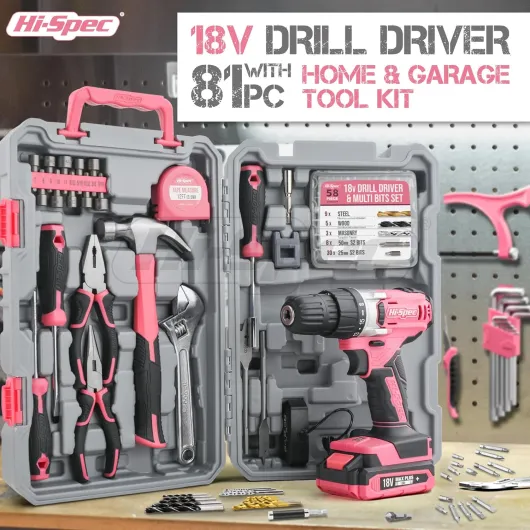
For many readers, the best 18V cordless drill sets sit in the mid price band where performance, durability, and list price feel balanced. A typical mid range cordless kit includes a drill driver, two lithium ion batteries, a battery charger, and a case, with a one year warranty or sometimes a three year warranty on the tool and separate coverage on the battery, although exact terms vary by region and model line. When you compare the price of different drills, always check whether the quoted price is for a bare tool or a complete kit, because bare tools can appear cheaper while offering less overall value once you add batteries and a charger.
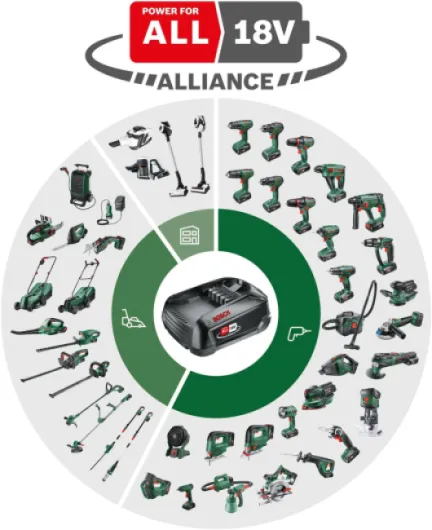
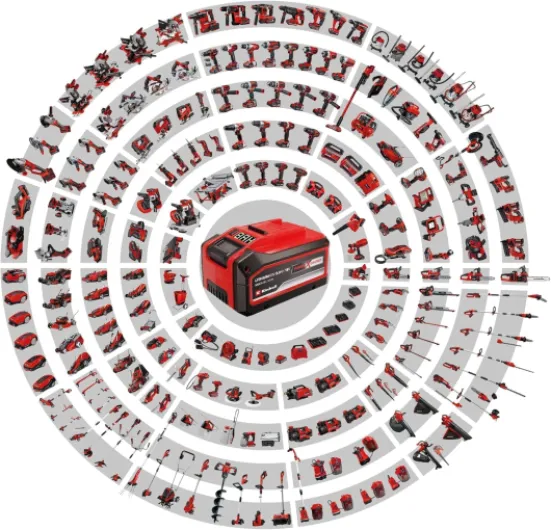
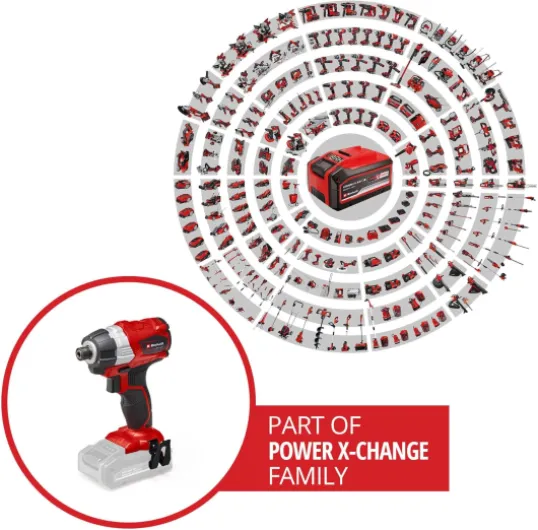
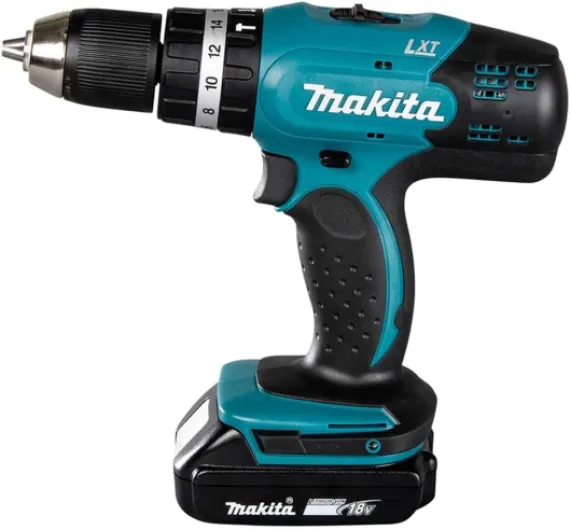
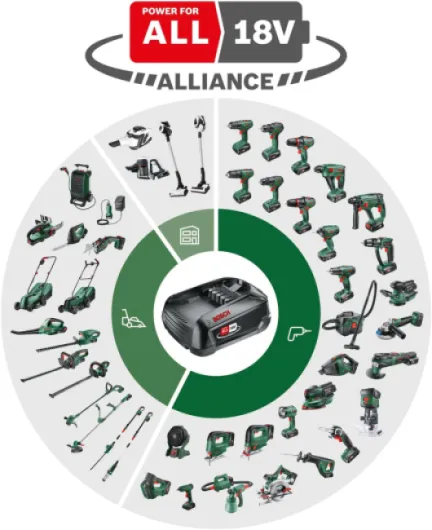
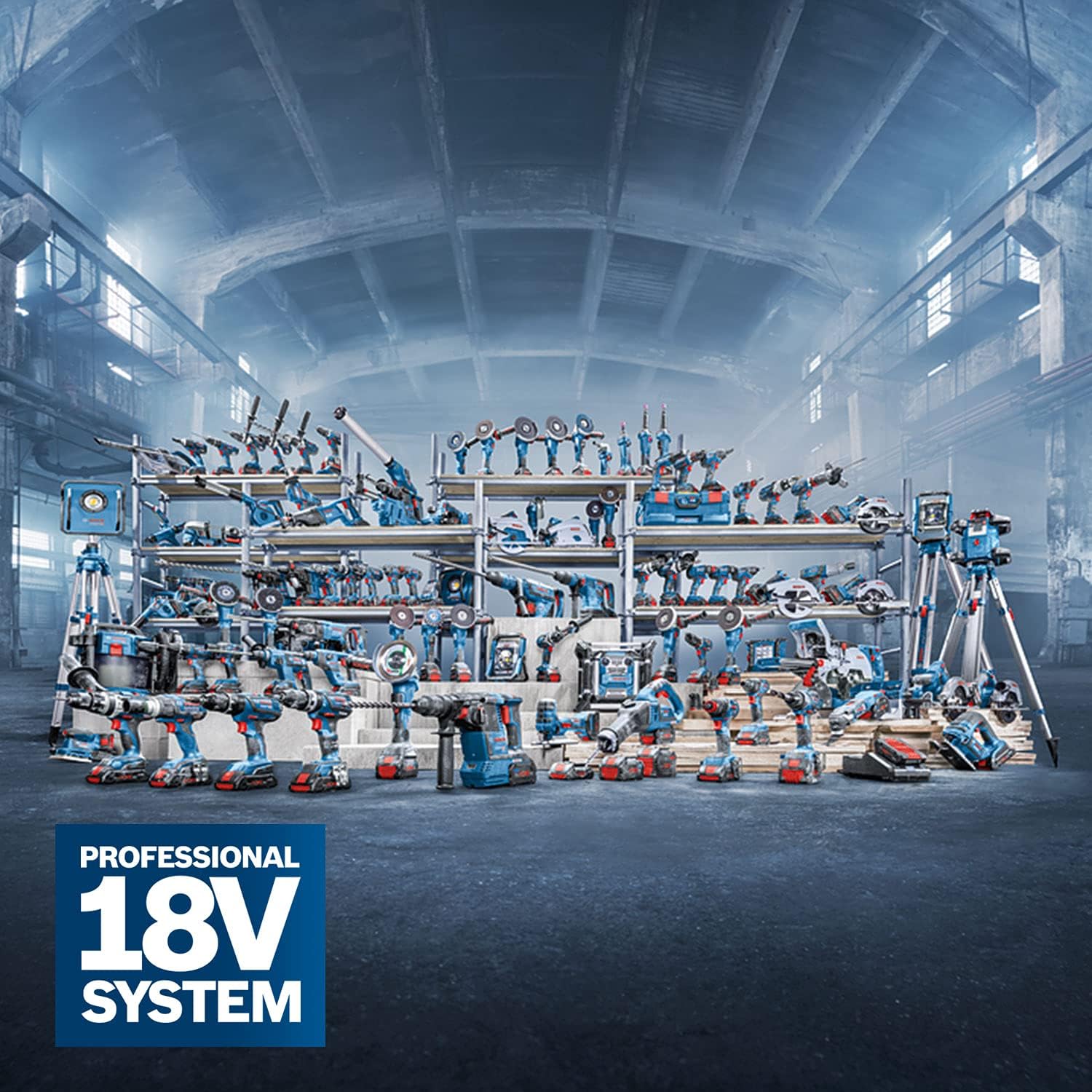
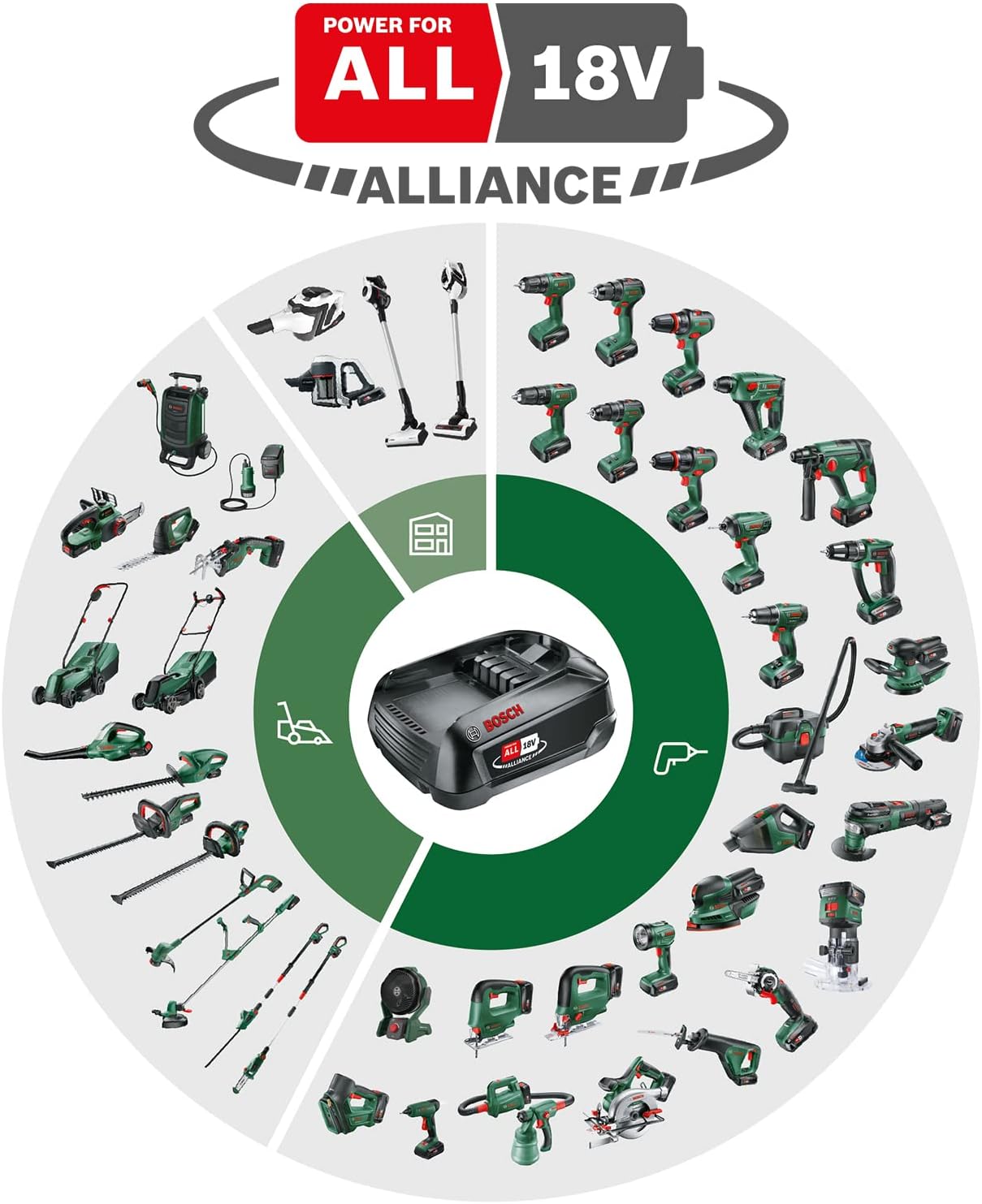
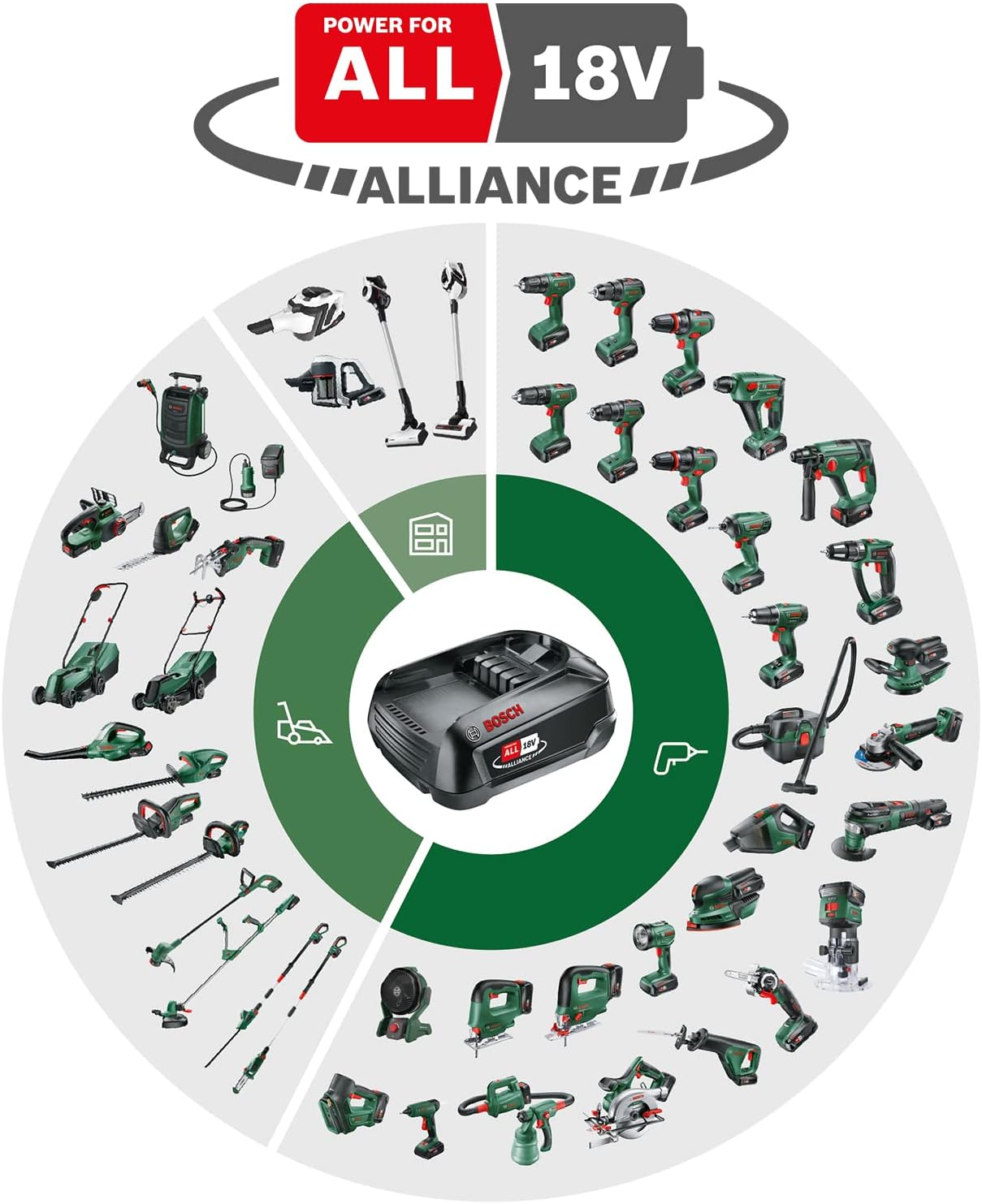
Brands such as DeWalt, Milwaukee, Makita LXT, and Metabo HPT structure their product ranges so that an 18 volt drill driver kit often becomes your gateway into a wider ecosystem of tools. Once you own two or three compatible 18 volt batteries, adding bare tools like impact drivers, small hammer drills, or compact saws becomes far cheaper than buying new combo kit bundles every time. That is why a slightly higher initial list price for a robust cordless drill set with quality cells and a decent charger can deliver better long term value than a bargain kit with weak batteries and a slow charger that may need replacing sooner.
Shoppers working with tight budgets should still insist on a brushless kit when possible, because brushless motors waste less energy as heat and extend both runtime and motor life compared with brushed designs at the same volt rating. If you are weighing cordless drills under a strict spending cap, a detailed guide to what you actually get for the money, such as a specialist breakdown of cordless drills under 100 that lists model numbers, torque ratings, and warranty terms, helps you avoid kits that cut corners on battery quality or after sales support. In practice, a well chosen mid range 18 volt cordless drill driver kit from a major brand often outlasts two or three cheaper products that looked attractive only because of their low initial price.
Comparing flagship models from DeWalt, Milwaukee, Makita, and Metabo HPT
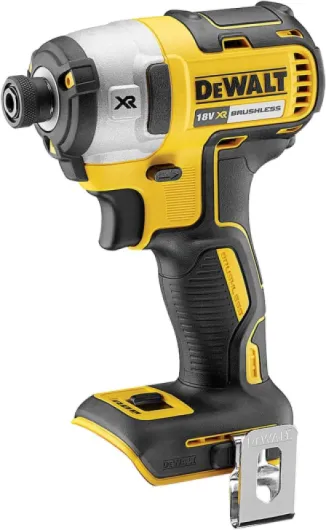
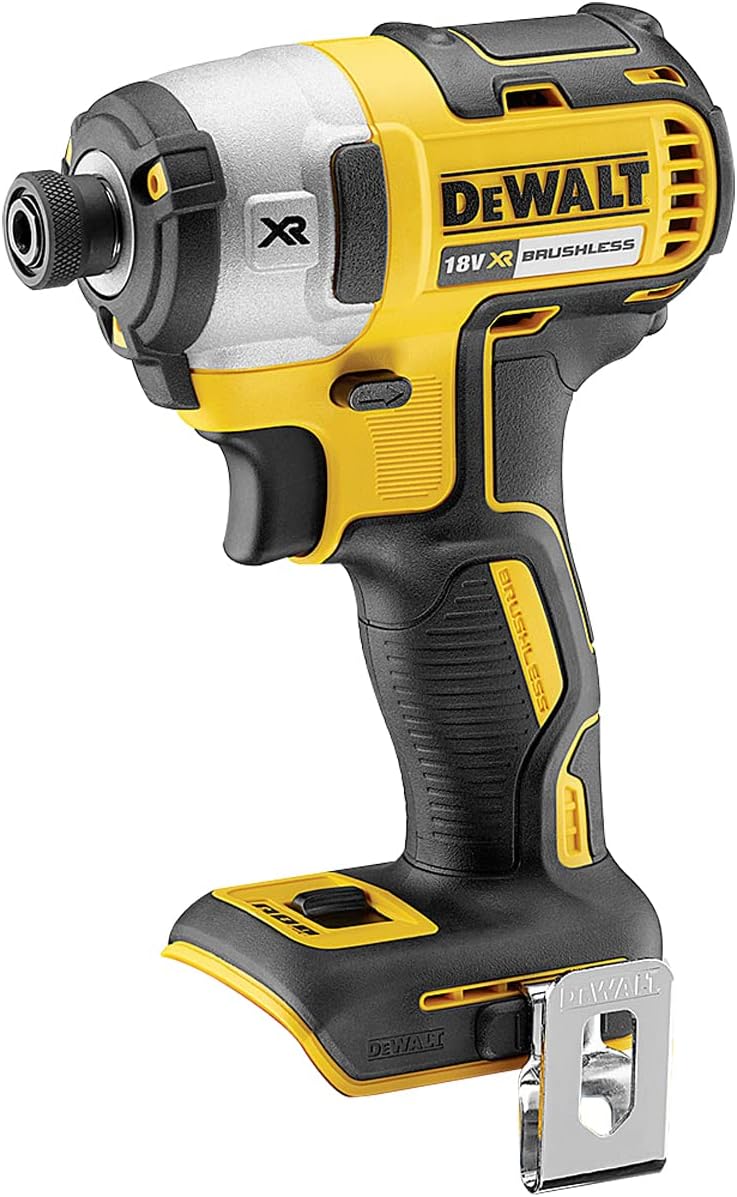
Among the best 18V cordless drill sets, a few flagship model lines dominate professional job sites and serious home workshops. The DeWalt Max family, including popular DeWalt DCD drill driver models such as the DCD791 and the compact DCD796 hammer drill variants, competes directly with Milwaukee M18 Fuel kits like the 2804-22, Makita LXT 18 volt drills such as the XFD14Z, and Metabo HPT MultiVolt compatible tools including the DV36DA hammer drill. Each brand offers several product tiers, so you must look beyond the logo and compare the exact model number, torque in-lb rating, and included accessories in each kit to understand what you are paying for.
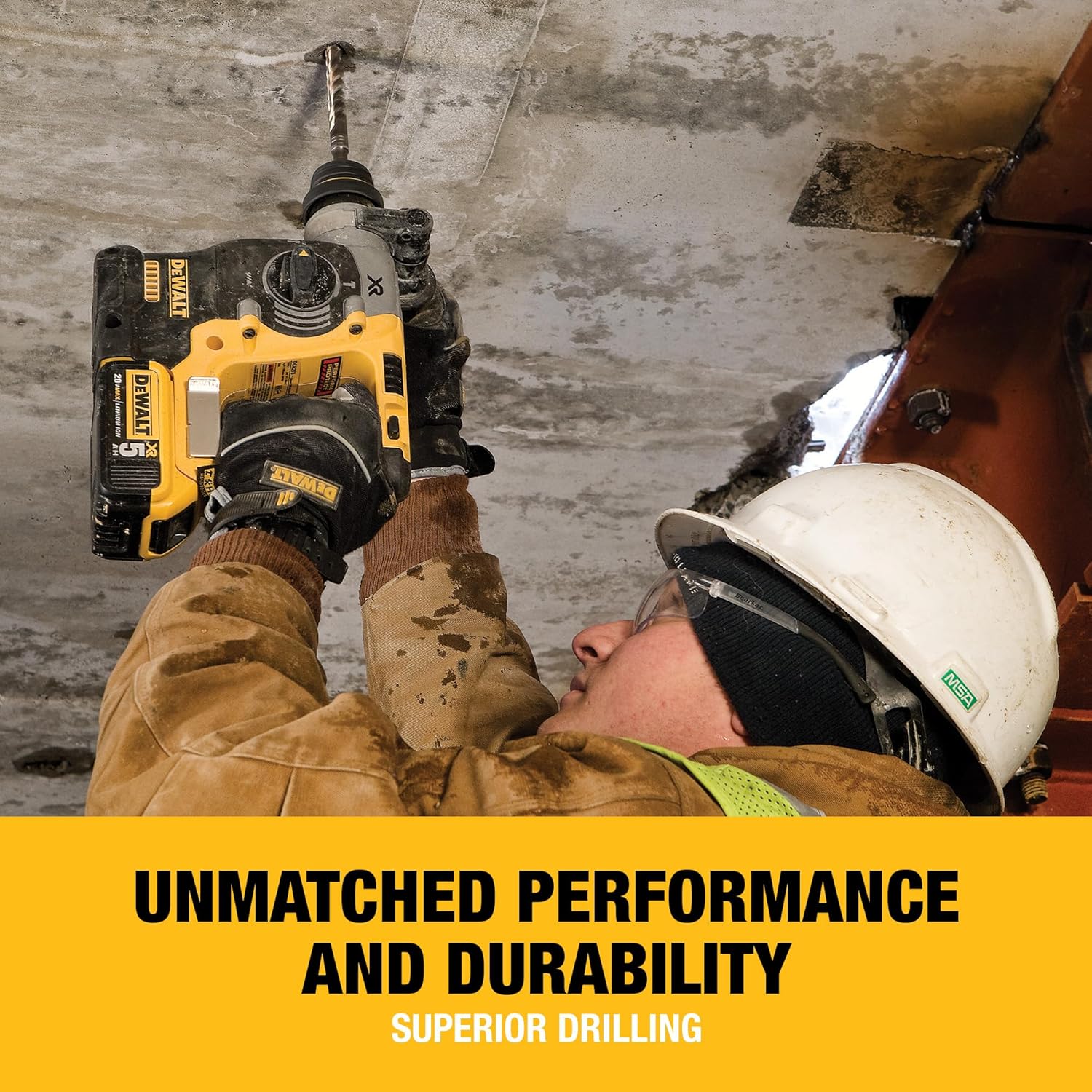
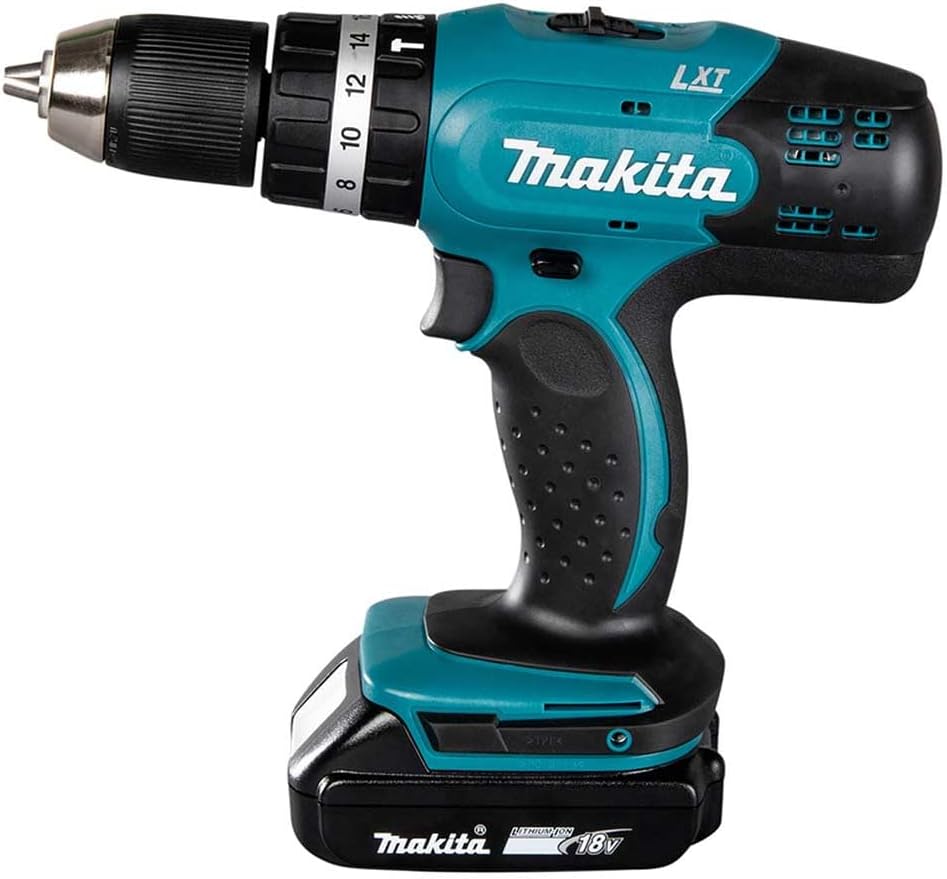
DeWalt Max brushless drill driver kits often pair a compact DeWalt DCD body with 5.0 ampere hour batteries, a fast battery charger, and a sturdy case, making them strong candidates for a top 18V cordless drill sets shortlist. Milwaukee 18 volt drills in the Fuel line emphasize high torque and advanced electronics, which protect the battery and motor under heavy load, while Makita LXT kits are known for refined ergonomics, smooth triggers, and a broad ecosystem of compatible tools that share the same slide pack batteries. Metabo HPT, although sometimes overlooked, offers competitive hammer drill and drill driver models with impressive torque in-lb figures and attractive multi year warranty terms, especially in combo kit bundles that include saws or impact drivers and, in some markets, lifetime tool coverage.
When you build your own test list, compare not only the headline max torque but also how each cordless drill feels in hand, how smoothly the clutch engages, and how quickly the battery powered system recovers after sustained drilling in masonry or hardwood. A detailed comparison of top 18 volt cordless drill sets that lists measured torque, drilling speed, and runtime side by side can help you see where a slightly heavier hammer drill might outperform a lighter drill driver in concrete, while a compact model excels in overhead work or tight spaces. For readers who want a curated overview of leading 18 volt cordless drill sets, a dedicated analysis of top 18V cordless drill sets that references specific model numbers and test procedures provides a useful benchmark before you commit to any single product family.
Battery technology, chargers, and real world runtime
The heart of every cordless drill is its battery system, because even the most powerful motor becomes useless when the pack runs flat. Modern 18 volt drills rely on lithium ion cells that deliver consistent power until the battery is nearly empty, unlike older nickel cadmium packs that faded gradually under load and suffered from more pronounced memory effects. When you compare battery powered kits, pay attention to both the ampere hour rating and the quality of the included battery charger, since both influence how long you can work between breaks.
A higher capacity battery, such as a 5.0 ampere hour pack in a DeWalt Max or Makita LXT kit, stores more energy than a 2.0 ampere hour pack, which directly extends battery life between charges in repetitive drilling or screw driving tasks. However, larger batteries add weight to the cordless drill, so some users prefer a mix of compact and high capacity packs within the same cordless kit to balance runtime and comfort, especially for overhead work. Smart chargers that monitor cell temperature and voltage help protect the battery, and they often shorten charge times compared with basic chargers bundled in cheaper combo kit offers, with some rapid chargers restoring a 5.0 Ah pack to 80 percent in roughly 45 minutes according to manufacturer specifications.
Brushless kit designs use electronics to adjust power delivery, which improves efficiency and reduces wear on both the motor and the battery. In practical terms, a max brushless drill driver or hammer drill can often complete more holes per charge than a brushed model with the same nominal volt rating and similar torque in-lb figures, a pattern confirmed in many side by side tests from independent reviewers. When you evaluate the best 18V cordless drill sets, consider how many batteries are included, how fast the charger works, and whether the multi year warranty covers both the tool and the battery pack for realistic job site use, noting that some brands offer three year battery coverage while others limit packs to two years or less.
Testing methods that separate marketing claims from real performance
Marketing brochures for cordless drills often highlight max torque, max speed, and impressive sounding volt ratings, but controlled testing reveals how each tool behaves under stress. A meaningful test of the best 18V cordless drill sets should include repetitive drilling in softwood, hardwood, and masonry, as well as driving long structural screws that push the motor and battery close to their limits. Only by timing how long a drill driver maintains its speed under load, and how quickly the battery recovers on the charger, can you judge real battery life rather than relying solely on catalog numbers.
Independent reviewers often build a list of comparable products, such as a DeWalt DCD Max brushless kit, a Milwaukee Fuel hammer drill kit, a Makita LXT drill driver kit, and a Metabo HPT combo kit, then run identical tasks with each tool. They measure torque in-lb using calibrated rigs, record drilling speed in different materials, and note how hot the battery powered systems become during extended use, sometimes using infrared thermometers to log case and pack temperatures. These controlled tests expose differences that spec sheets hide, such as how smoothly the clutch engages, how precisely the variable speed trigger responds at low revolutions per minute, or how quickly electronic protection cuts power when the bit binds.
Readers should look for transparent test protocols, clear descriptions of each product model, and honest reporting of failures or weaknesses, rather than only celebrating the best performers. When a reviewer explains that a particular cordless drill stalled repeatedly in dense timber, that a certain battery charger overheated during rapid cycling, or that a claimed torque figure could not be reproduced on a test bench, that information becomes more valuable than a simple ranking list. For buyers comparing several cordless drills at similar price points, such rigorous testing offers a practical way to decide which kit deserves a place in their toolbox and which marketing claims to treat with caution.
Strategic buying tips and timing your purchase
Once you understand the technical side of the best 18V cordless drill sets, timing and strategy can save you significant money. Major brands such as DeWalt, Milwaukee, Makita, and Metabo HPT run seasonal promotions where a drill driver kit might include a bonus battery, a free bare tool, or a discounted combo kit price, especially around product refresh cycles. These offers often change quickly, so knowing the usual list price of your target model helps you recognize a genuine deal instead of a routine sale.
Shoppers should track whether a specific DeWalt Max brushless kit, a Milwaukee hammer drill set, or a Makita LXT cordless kit includes two batteries, a rapid battery charger, and a sturdy case, because missing components can erase any headline discount. Retailers sometimes advertise a low price on a bare cordless drill while a slightly more expensive kit with extra tools and longer warranty coverage offers better long term value, particularly if it adds a second 5.0 Ah pack. When you compare promotions, remember that a reliable 18 volt battery system shared across multiple tools often matters more than shaving a few euros off the initial purchase, since batteries and chargers typically account for a large share of long term costs.
Sales events around major holidays can be particularly attractive for buyers who are ready to commit to a full ecosystem of 18 volt drills and related tools. A detailed guide to reading complex tool discounts, such as an analysis of Memorial Day tool sales and how to interpret the discount theatre before you buy, can help you avoid marketing traps like inflated “was” prices and focus on real savings. By combining technical knowledge about torque in-lb, speed ranges, and battery life with smart timing and careful reading of offers, you can secure a cordless drill set that performs strongly, fits your preferred brand platform, and respects your budget.
Key figures that matter when choosing 18 volt cordless drills
- Many mainstream 18 volt cordless drill driver kits deliver between 50 and 80 newton metres of torque, which corresponds roughly to 440 to 710 in-lb of torque, enough for structural screws in dense timber according to typical manufacturer specifications for models such as the Milwaukee 2801-20 and Makita XFD13.
- Common no load speed ranges for 18 volt drills are 0–500 revolutions per minute in low gear and 0–1,800 revolutions per minute in high gear, a spread that balances control for screw driving with fast drilling in wood and metal as reported in multiple professional tool reviews and brand spec sheets.
- Standard lithium ion batteries in 18 volt cordless kits usually range from 1.5 to 5.0 ampere hours, and moving from a 2.0 to a 5.0 ampere hour pack can more than double runtime in continuous drilling tests conducted by independent reviewers who count completed holes or screws per charge.
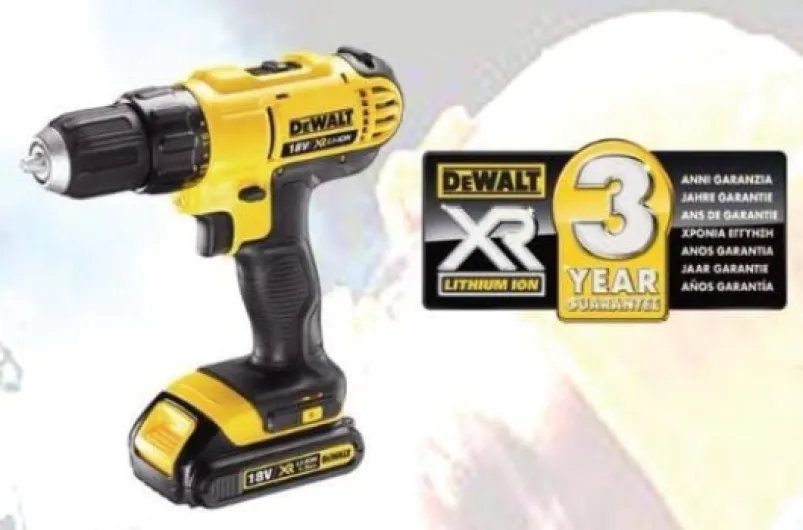
- Many major brands, including DeWalt, Milwaukee, Makita, and Metabo HPT, offer at least a three year warranty on 18 volt cordless drills, while some provide separate coverage periods for the tool and the battery, which significantly affects long term ownership costs and should always be checked for your specific region.
- Professional tool testers often report that brushless kit designs can improve effective battery life by 20 to 30 percent compared with brushed models at the same volt rating, due to reduced electrical losses and smarter electronic control that limits current draw when the bit binds.