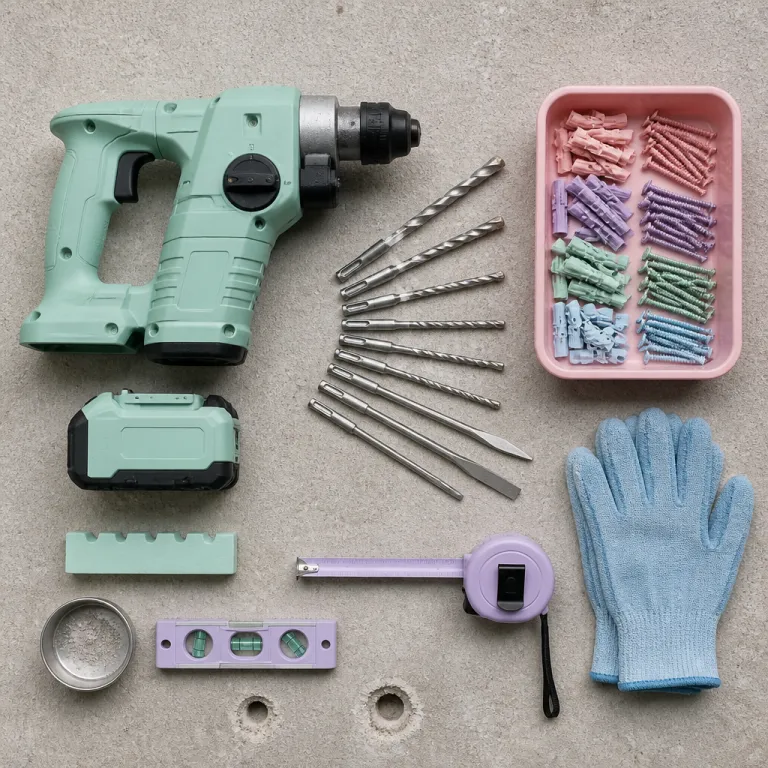
Why the best cordless hammer drill for concrete changes the job
A standard cordless drill driver feels fine until it meets concrete. When you hit a poured foundation or a garage slab, the best cordless hammer drill for concrete suddenly becomes the only tool that keeps the bit advancing instead of just polishing dust. That is the moment many light pros realise their everyday cordless drills are built for wood and metal, not hardened aggregate.
A hammer drill adds a percussive hammer mechanism that drives the bit forward while it spins, and this combination of moderate rpm and very high blows per minute (BPM) lets the carbide tip chip away at concrete instead of burning out. Most cordless hammer drills spin between roughly 400 and 2 000 rpm in hammer mode, while delivering around 20 000 to 30 000 BPM, which is why the same 8 mm masonry bit that stalled in a regular cordless drill will chew a clean hole in seconds. Manufacturer specifications from brands such as Bosch, DeWalt, and Milwaukee consistently list hammer drilling speeds and impact rates in this band, confirming that the best cordless models balance that impact rate with controllable speed so you can still drive a delicate spade bit through a stud without snapping it.
For a side gig contractor hanging ledger boards or setting tapcon anchors, the best cordless hammer drill for concrete is usually a compact 18 volt or similar drill kit that pairs a brushless motor with a 2 Ah or 5 Ah battery. These cordless hammer tools weigh around 1.5 to 2.2 kilograms, or roughly 3.3 to 4.8 pounds, which keeps them manageable on a ladder while still delivering enough max torque for 10 mm anchors. When you see a product page promising extreme power, look instead at the stated rpm range, the hammer mode BPM, and whether the drill has a true brushless motor rather than a cheaper brushed design, then compare those figures with the published spec sheets for competing cordless hammer drills.
Hammer drill versus rotary hammer for concrete work
Choosing between a hammer drill and a rotary hammer is where many buyers go wrong. A cordless hammer drill looks like a slightly beefier cordless drill driver, while a cordless rotary hammer usually has an L shaped body, an SDS chuck, and a very different internal mechanism. The rotary hammer uses a piston to drive the bit, which makes it far more efficient in concrete and masonry than even the best cordless hammer drills, especially once impact energy is measured in joules rather than just BPM.
For occasional anchors in block or brick, a compact hammer drill is usually the best cordless option because it still handles wood, metal, and drywall without feeling like overkill. When you step up to frequent drilling of 10 mm to 16 mm holes in structural concrete, an SDS plus rotary hammer becomes the smarter product because it will drill faster, vibrate less, and abuse your batteries less. In side by side testing from multiple tool reviewers and manufacturer demo data, rotary hammers consistently outpaced hammer drills once the hole diameter passed roughly 10 mm and the depth exceeded 75 mm, especially when using proper SDS masonry bits instead of a standard round shank bit.
If you already own a strong cordless drill kit on an 18 volt platform, such as a DeWalt Max, Milwaukee M18, or Makita LXT set highlighted in many top 18 volt cordless drill set roundups, adding a bare tool rotary hammer can be more cost effective than buying a flagship hammer drill. The rotary hammer will handle the brutal concrete drilling, while your existing cordless drills stay ready for spade bit work, hole saws, and general fastening. That split lets you choose a smaller cordless hammer drill for mixed tasks and a heavier SDS rotary hammer for the days when concrete is the main event, and it mirrors the tool combinations recommended in many comparative impact driver versus drill guides.
When a regular drill with hammer mode is enough
Not every project justifies a dedicated rotary hammer, and that is where a good cordless drill with a selectable hammer mode earns its keep. If your concrete work means a few tapcons into a block wall each month, or the occasional 8 mm hole for a sleeve anchor, a mid range hammer drill driver is usually the best cordless compromise. You keep one familiar tool on the truck while still having a hammer drill function when the jobsite throws you a masonry surprise.
Look for a drill driver rated around 60 to 80 newton metres of max torque, with a two speed gearbox that offers a low range near 0 to 550 rpm and a high range around 0 to 1 800 rpm. In practice, you will use low speed for larger bits in wood, such as a 25 mm spade bit, and high speed with hammer mode engaged for 6 mm to 10 mm concrete drilling. A brushless motor helps here because it keeps the tool cooler in hammer mode, which is notorious for stressing both the motor windings and the battery cells, and the same spec sheets that list torque and rpm usually confirm whether the motor is brushless.
Models like the DeWalt DCD series in the DeWalt Max line, or the Skil PWRCore hammer drills, show how far cordless drills have come in handling light concrete tasks. These cordless hammer drills are sold as part of a drill kit with two batteries, a charger, and often a basic bit set, which is ideal for a first serious cordless drill purchase. For broader DIY work, many buyers pair such a hammer drill with an impact driver, and resources that compare impact driver versus drill choices help clarify when each tool shines and how a compact hammer drill can still be the best cordless hammer drill for concrete in a mixed material project.
How to choose bits, speed and pressure for concrete drilling
The best cordless hammer drill for concrete is only as good as the bit you chuck into it. For masonry, you need carbide tipped concrete bits with a flute design that clears dust efficiently, because packed dust is what overheats both the bit and the hammer mechanism. Trying to use a wood spade bit or a twist bit meant for steel in concrete will destroy the bit and may damage the drill chuck.
Match the bit diameter to your anchor specification, then check the hammer drill manual for the recommended max speed in hammer mode for that size. Many cordless hammer drills list a high gear around 1 700 to 2 000 rpm, but you rarely need full speed for a 6 mm or 8 mm hole in a standard slab, and backing off slightly can extend both bit life and battery runtime. With rotary hammers, the rpm is lower but the impact energy per blow is higher, often in the 1.5 J to 2.5 J range for compact SDS plus tools according to manufacturer data, so the bit still advances quickly even though the speed number looks modest on the product sheet.
When drilling, let the hammer action do the work rather than leaning your full body weight onto the tool. Too much pressure can slow the rpm, overload the brushless motor, and cause the battery to sag, which you will feel as the drill bogging down. For DIYers building decks or finishing basements, guides to top cordless drill sets for home projects often stress this technique because it protects both the tool and the operator over a long day, and it helps keep runtime closer to the figures quoted in independent battery drain tests.
Battery drain, weight and ergonomics in hammer mode
Hammer mode is brutal on batteries, and that reality should shape how you shop. Expect a cordless hammer drill to drain its battery roughly two to three times faster in concrete than in softwood, especially at high rpm and maximum impact rate. That is why serious users treat extra amp hour capacity as part of the tool, not an optional accessory, and why many comparative runtime tests now list separate figures for hammer drilling versus standard drilling.
A compact 2 Ah battery keeps the drill light, often under 1.8 kilograms or about 4 pounds, which matters when you are holding the tool at shoulder height for dozens of holes. For longer sessions, a 4 Ah or 5 Ah pack on a DeWalt Max or Skil PWRCore platform roughly doubles the usable runtime, though it adds noticeable weight to the back of the drill. The best cordless hammer drill for concrete balances this by offering a mid size pack in the drill kit and leaving you the option to add a larger pack later if your drilling workload grows.
Ergonomics matter more in hammer drills than in standard drills because the percussive action sends vibration through your hands and arms. A well designed cordless hammer drill will have a side handle, a grippy overmold, and a trigger that you can feather even while wearing gloves, which keeps the rpm under control when starting a hole. When comparing products in a store, pick up the actual tool, check how the weight feels with a battery installed, and imagine holding that cordless drill against a concrete wall for the tenth hole of the morning, then compare that impression with the listed weight and vibration figures on the box.
Specific cordless hammer drill picks for occasional and regular concrete work
For light pros and serious DIYers, the best cordless hammer drill for concrete is rarely the most expensive flagship, but rather the model that survives real jobsite abuse without drama. In independent testing from several tool review outlets, the Bosch GSB18V‑65 has stood out for its balance of size, maneuverability, and drilling performance in concrete, making it a strong candidate for anyone who wants one drill to handle both wood framing and masonry anchors. Bosch lists this compact hammer drill with a brushless motor, a no load speed up to roughly 1 800 rpm, and impact rates around 27 000 BPM in hammer mode, plus max torque in the 65 Nm class, which explains why it stays comfortable even with a 4 Ah battery installed.
On the DeWalt side, the DeWalt DCD hammer drills in the DeWalt Max 18 volt class remain a smart choice for buyers already invested in that battery platform. These drills pair well with the broader cordless drills and saws in the same line, and the better kits include a hammer drill, two batteries, a charger, and a case that protects the tool between jobs. DeWalt spec sheets for popular DCD hammer drills typically show two speed gearboxes (for example 0–550 rpm and 0–2 000 rpm), max torque figures in the 70 Nm to 90 Nm range, and hammer drilling impact rates above 30 000 BPM, so when you see a DeWalt Max hammer drill kit advertised with a very high rpm ceiling, remember that control at lower speed in hammer mode often matters more than headline numbers, especially when you are drilling overhead or into brittle block.
For budget conscious buyers, the Skil PWRCore cordless hammer drills offer surprising performance per dollar, especially in the mid range kits that include both a hammer drill and an impact driver. Skil’s published specifications for these products typically list brushless motors, two speed gearboxes, and impact rates in the mid‑20 000 BPM range, and they may not match the absolute max torque of a Milwaukee M18 Fuel hammer drill, but they have been tested by many tradespeople who report reliable drilling in standard residential concrete. If your work shifts toward frequent heavy drilling, that is the point to add a dedicated cordless rotary hammer to your lineup, using the same battery platform where possible so every tool and battery in your van earns its keep, and so you can compare impact energy ratings in joules across both hammer drills and rotary hammers.
Key figures on cordless hammer drills and concrete performance
- Most cordless hammer drills operate between roughly 20 000 and 30 000 blows per minute in hammer mode, which is what allows them to pulverise concrete where a regular drill would simply overheat and stall (data compiled from major manufacturer specifications for Bosch, DeWalt, Makita, Milwaukee, and Skil hammer drills).
- Dedicated SDS plus rotary hammers can drill 12 mm holes in concrete significantly faster than comparable hammer drills, according to comparative testing published by multiple tool reviewers and supported by manufacturer drilling time charts, which is why frequent masonry work justifies a separate rotary hammer tool.
- Hammer mode can drain lithium ion batteries two to three times faster than standard wood drilling, based on runtime measurements from several cordless platforms in independent reviews and internal manufacturer testing, so buying at least two batteries per drill kit is a practical necessity rather than a luxury.
- Compact 18 volt hammer drills typically weigh between 1.5 and 2.2 kilograms with a 2 Ah to 4 Ah battery installed, while many SDS rotary hammers start closer to 2.7 kilograms, which directly affects fatigue during overhead drilling and is reflected in the weight figures on most cordless drill spec sheets.
- Independent reviewers frequently highlight the Bosch GSB18V‑65 class of drills for size and maneuverability in cordless drill testing, showing how a well balanced tool with around 65 Nm of torque and sub‑2.5 kilogram working weight can outperform heavier rivals in real world concrete tasks.
FAQ about cordless hammer drills for concrete
Do I really need a hammer drill to drill into concrete ?
For small, shallow holes in very soft masonry, a strong regular drill might manage, but in real concrete a hammer drill is far more efficient. The hammer action chips away at the material while the bit spins, which reduces heat and load on the motor. If you plan to set anchors or tapcons more than occasionally, a cordless hammer drill is the safer and faster choice, and the performance difference is clear in both user reviews and timed drilling tests.
When should I choose a rotary hammer instead of a hammer drill ?
A rotary hammer is the better option when you regularly drill holes larger than about 10 mm in diameter or deeper than 75 mm in structural concrete. Its piston driven mechanism delivers more impact energy with less user effort, which speeds up work and reduces fatigue. For frequent masonry jobs, an SDS plus cordless rotary hammer will outperform even the best cordless hammer drills, and the impact energy ratings in joules on the spec sheet make that advantage easy to compare.
What size battery is best for hammer drilling in concrete ?
For occasional concrete work, a 2 Ah or 4 Ah battery on an 18 volt platform offers a good balance of weight and runtime. If you expect to drill many holes in one session, stepping up to a 5 Ah pack can roughly double your usable runtime in hammer mode. Always keep at least one spare battery charged, because hammer drilling drains packs much faster than wood drilling, as shown in most independent runtime comparisons.
Can I use the same bits for wood and concrete ?
Wood and concrete require different bit designs, and using the wrong type can damage both the bit and the drill. Concrete drilling calls for carbide tipped masonry bits, or SDS bits in a rotary hammer, while wood uses spade bits, auger bits, or brad point bits. Keep a separate set of masonry bits for your hammer drill and never use them on metal or wood.
How do I avoid overheating my cordless hammer drill ?
To keep a cordless hammer drill cool, use sharp masonry bits, let the hammer action work without excessive pressure, and pause briefly between deeper holes. Running at slightly less than maximum speed can also reduce heat buildup in both the brushless motor and the battery. If the tool feels hot to the touch or the battery protection cuts power, stop and let everything cool before continuing, following the duty cycle and temperature guidance in the drill’s manual.