Summary
Editor's rating
Is it good value for money or should you spend more?
Compact, light, and more practical than it looks at first
Battery life, charging, and living with two packs
Case, accessories and how easy it is to store
Build quality and how it holds up over time
Real-world performance: wood, metal, and light masonry
What you actually get in the box and what this drill is meant for
Pros
- Light and compact but still strong enough for most home wood, metal and light masonry tasks
- Two 18V batteries and a practical carry case included, making it easy to use and store
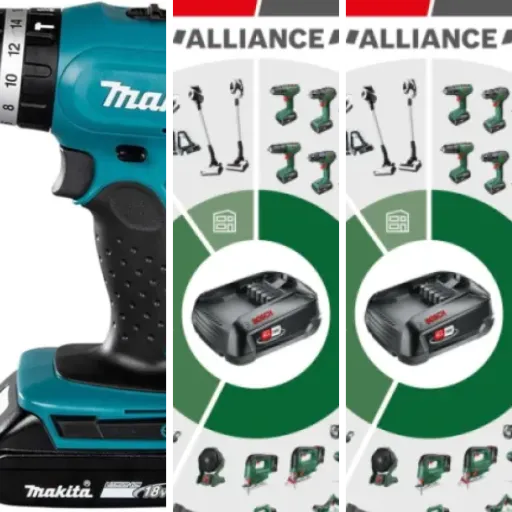
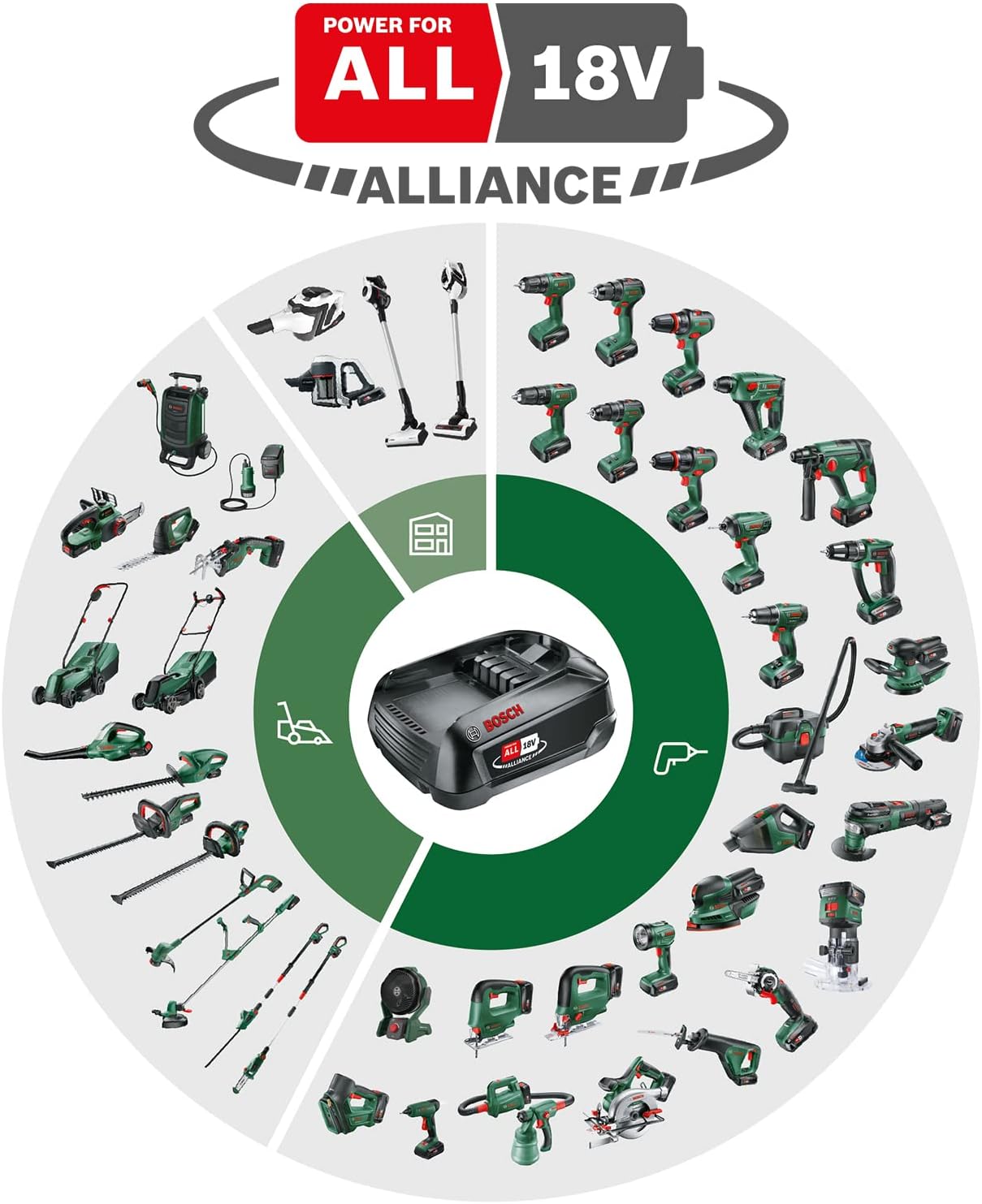
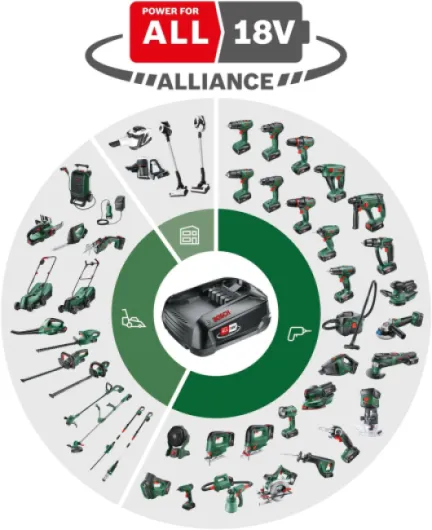
- Compatible with Bosch POWER FOR ALL 18V system, so the batteries work with many other tools
Cons
- 10 mm chuck and 34 Nm torque limit it for heavier work and larger bits
- Hammer mode is okay for brick but not ideal for frequent drilling in hard concrete

Specifications
View full product page →| Brand | Bosch |
A small drill that ended up doing most of my DIY jobs
I picked up the Bosch UniversalImpact 18 because my old wired drill was a pain to drag around the house, and I wanted one cordless tool that could handle basic DIY: shelves, flatpack, a few holes in brick, that kind of stuff. I’m not a pro, just a regular homeowner who ends up doing weekend repairs and the odd bigger project. I’ve been using this drill for a mix of wood, metal brackets and light masonry over a few weeks, with both batteries in rotation.
First impression when I unboxed it: it looked a bit smaller than I expected for a “combi” drill, and honestly I was a bit worried it would be underpowered. But once I started screwing and drilling with it, that doubt went away pretty fast. The 34 Nm isn’t crazy on paper, but for normal DIY it’s enough. I rebuilt a small shed frame and put up a bunch of wall plugs without feeling like the drill was struggling, as long as I used the right bits and didn’t force it.
What pushed me to this model was the combo of 18V platform + two batteries + carry case. I already have some Bosch DIY tools, so sticking to the same battery system made sense. The case is basic but practical: drill, charger, batteries, bits – everything in one place instead of scattered across drawers. For someone who only does projects from time to time, that matters more than some fancy pro-grade body with no storage.
To be clear, this is not a professional site tool. If you’re drilling into concrete all day, this is going to feel limited and you’ll probably burn it out sooner or later. But for a normal house or flat – furniture, shelves, blinds, small repairs, some brick drilling here and there – it gets the job done without drama. That’s basically how I’ve been using it, and so far it’s doing what I bought it for.
Is it good value for money or should you spend more?
On the value for money front, I’d say this Bosch sits in a sweet spot for regular homeowners. You’re not paying budget no-name prices, but you’re also not dropping serious cash on pro gear. For the money, you get a well-known brand, two batteries, charger, case and a drill that actually handles most domestic jobs without feeling underpowered. Compared to buying a cheap single-battery drill with no case, this feels like a more complete, less frustrating package.
Where it really pays off is if you stick with the POWER FOR ALL 18V platform. If you later buy, say, a Bosch cordless jigsaw or hedge trimmer, you can use the same batteries and charger. That’s where the investment starts to make sense. If this is going to be your only cordless tool ever, the ecosystem matters less, but the two-battery setup is still a plus on its own. You avoid the classic situation where your only battery dies halfway through a job and you’re stuck waiting.
There are definitely stronger drills for a bit more money, especially in pro ranges like Bosch blue, Makita, DeWalt, etc. If you already know you’ll be doing heavy masonry or big renovation work, it might be smarter to stretch your budget and go straight to that level. But if your reality is more like “occasional projects, some shelves, some garden stuff, a bit of brick drilling”, paying extra for a beefier tool that you never fully use doesn’t make much sense.
So overall, I’d rate the value as good but not mind-blowing. You’re mainly paying for reliability, decent performance, and a complete kit that’s ready to go. If you catch it on sale, like some people did around Black Friday, it becomes a very solid deal. At full price, it’s still fair – not cheap, not overpriced, just a sensible middle-ground option for everyday DIY.
Compact, light, and more practical than it looks at first
Design-wise, the UniversalImpact 18 is pretty typical Bosch DIY: green body, black rubberised grip, and not much in the way of fancy design. But in the hand, it’s surprisingly light for an 18V combi drill. The listed weight is under a kilo for the tool only, and you really feel that when you’re working overhead or in awkward angles. I hung curtain rails and drilled into a ceiling without my arm dying in five minutes, which is more than I can say for my old wired drill.
The ergonomics are decent. The handle shape is comfortable, the trigger is smooth, and the direction switch is easy to flick with your thumb without shifting your grip. The torque ring and mode selector are clear: 20 torque settings, then drill, then hammer. One user mentioned the function ring locking up once – I had a similar moment where it felt a bit stiff switching into hammer mode, but it freed up and hasn’t repeated. It doesn’t feel fragile, but it also doesn’t feel like a heavy-duty pro body you’d throw around a building site.
The 10 mm chuck is key to understand. It’s fine for most home bits, but if you’re used to 13 mm chucks on bigger drills, you’ll hit a limit with some larger masonry or wood bits. For me, 90% of what I use is 6–8 mm, so it hasn’t been a real issue. The chuck tightens well enough; I’ve only had a bit slip once when I was pushing too hard into a particularly hard brick.
Small thing, but the built-in LED work light is actually handy. It’s not a spotlight, but when I was drilling inside a dark cupboard or behind a radiator, it helped a lot to see what I was doing. The drill also stands upright on the battery on a flat surface, which is useful when you’re constantly picking it up and putting it down during assembly. Overall, the design is simple and practical: not pretty, not fancy, but it feels thought out for regular home use.
Battery life, charging, and living with two packs
The battery side is probably the strongest argument for this kit. Getting two 18V batteries in the box makes a real difference in use. I’ve mostly used the 1.5 Ah packs, and for typical home jobs they last longer than I expected. For example, during the shed rebuild weekend, I drove dozens of screws and drilled a fair number of pilot holes and only had to swap the battery once later in the day. For small tasks like building furniture or hanging a few shelves, one battery is usually enough without recharging in between.
The charger (AL 18V-20 in my case) is not lightning fast, but it’s fine for home use. I usually just plug in the empty pack while I’m using the other one, and by the time I’m done with the second battery, the first one is ready again or close to it. If you’re doing very long sessions, you might notice the charge time, but for normal DIY it’s not a big deal. The nice thing is that this charger and the batteries work across the Bosch POWER FOR ALL range, so you’re investing in a system, not just one drill.
In terms of battery behaviour, I didn’t notice any big performance drop until the pack was really close to empty. It doesn’t slowly fade to useless; it keeps going at decent power and then you feel it weakening and you swap it. Compared to some cheaper cordless tools I’ve used, that’s a plus. After several weeks of use, I haven’t seen any weird overheating or battery issues, though I’m not abusing it like a tradesperson would.
There is one thing to keep in mind: 1.5 Ah isn’t huge capacity. If you know you’re going to do long, continuous drilling (especially in masonry), you might want to look at a bundle with a 2.5 Ah or 4.0 Ah battery, or plan on more frequent swaps. For my use – a bit here and there, plus the odd longer session – two 1.5 Ah packs are enough. It’s not impressive, but it’s practical, and having that second battery in the box is way better than buying a single-battery kit and regretting it later.
Case, accessories and how easy it is to store
The carrying case is basic but genuinely useful. It’s a hard plastic box with a moulded interior for the drill, charger and batteries. It’s not fancy, but it means everything lives in one place instead of being spread across random drawers. I keep the drill, both batteries, charger and a small bit set inside, and I can just grab the case and go wherever I’m working. For a casual DIYer, that convenience is worth more than it sounds.
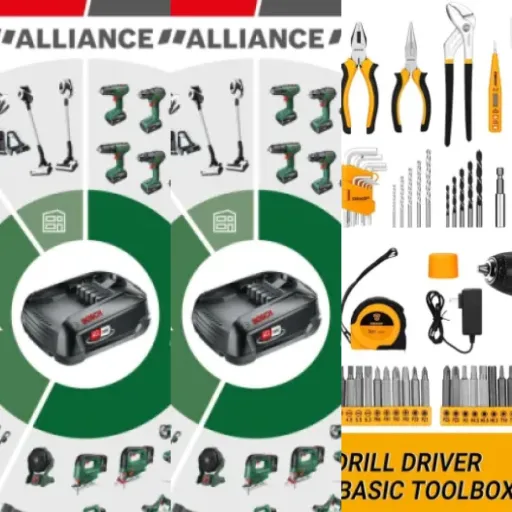
Depending on the exact bundle, you might also get a bit set, pliers and a ratchet screwdriver. When I’ve used similar Bosch kits with accessories, the bits are not top professional quality, but for starting out they’re fine. You’ll eventually want to buy better masonry and wood bits if you drill often, but it’s handy to have something in the box on day one. For someone who doesn’t already own a toolbox, that extra stuff is a real bonus because you can start working straight away.
The case itself clips shut firmly and has held up well so far. It’s not one of those flimsy blow-moulded things that flexes like crazy, but it’s also not a heavy-duty contractor case. The layout inside is logical: drill in the main slot, charger and batteries in side compartments. There’s a bit of extra space where I’ve shoved a small mixed bit set. If you’re expecting foam inserts and a premium look, this isn’t that, but it’s perfectly practical.
In terms of overall packaging, Bosch kept it simple: functional, clear labelling, and no nonsense. You don’t get that feeling of opening a luxury gadget, but again, this is a drill, not a smartphone. It arrives protected, the case is actually usable long-term, and you don’t need to buy extra storage or a bag to keep everything together. For a home user who doesn’t have a workshop with wall racks and custom storage, that’s honestly more important than pretty cardboard or clever unboxing tricks.
Build quality and how it holds up over time
Durability is always the big question with these mid-range DIY tools. Mine obviously hasn’t done years of service yet, but I can lean on other people’s experience plus what I’ve seen so far. The drill body is mostly plastic with rubber overmould in the right places. It doesn’t feel like a tank, but it doesn’t feel cheap either. I’ve dropped it once from about waist height onto a wooden floor – no cracks, no weird noises afterwards, just a small scuff. The chuck still runs straight, no wobble beyond the usual tiny bit you see on most cordless drills.
Looking at the Amazon reviews, a lot of people mention using it for 2–3 years without issues, which lines up with what I’d expect from Bosch’s green range. One user did report the function ring locking up once; I had one stiff moment with the selector but it freed up. To me that says the mechanism isn’t bulletproof, but also not a constant problem. As long as you’re not forcing it aggressively between modes under load, it should be fine.
Heat-wise, after extended use in hammer mode on brick, the body gets warm but not scary hot. I’ve had cheaper drills where the motor smell made me back off; that hasn’t happened here. The 2-year manufacturer warranty is standard, nothing special, but at least you have that as a safety net if something obvious fails early. For a home tool in this price range, I’m reasonably confident it’ll survive normal use for several years.
So, is it built like a pro site drill? No. The plastics are clearly DIY-grade, and I wouldn’t throw it into the back of a van every day with heavy tools and expect it to stay pretty. But for home storage in its case, occasional projects, and even some heavier weekends of work, it feels robust enough. There’s better out there if you want industrial-level durability, but then you’re also paying a lot more and probably buying into a pro range.
Real-world performance: wood, metal, and light masonry
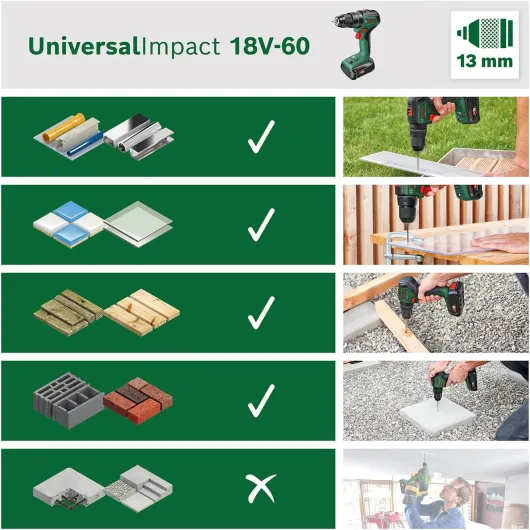
In day-to-day use, the performance is solid for a home drill. I tested it mainly on three things: rebuilding part of a small shed, assembling some flatpack furniture and shelving, and drilling into brick walls for plugs. In wood, it’s very comfortable. With the torque set correctly, it drives standard wood screws smoothly without stripping heads. For 4–5 mm diameter screws up to around 70 mm length into softwood, it handles them without needing to pre-drill every time, though I still pre-drill for cleaner work.
On metal, I used it for drilling through light steel brackets and a couple of aluminium profiles. In first gear, with the right HSS bits and a bit of patience, it went through without any real struggle. You do have to let the drill do the work and not force it, but that’s normal. The 34 Nm torque is enough to keep the bit moving without stalling constantly, as long as you’re not trying to chew through thick steel plate.
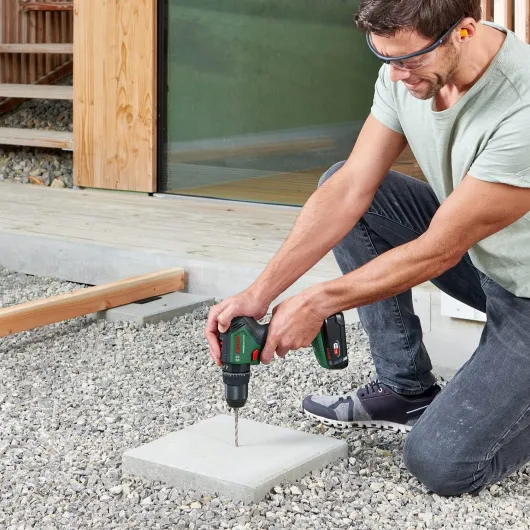
The impact (hammer) mode is where you see the limits. On standard brick, using typical 6–8 mm masonry bits for wall plugs, it works fine. I drilled a bunch of holes to mount shelves and a TV bracket and it got through, just a bit slower than a more powerful SDS drill would. On harder masonry or concrete, you start noticing that this is a DIY combi drill, not a dedicated hammer drill. It will do the job, but you’ll be standing there longer, and the motor noise will remind you it’s working hard. If your house is mostly brick and you only drill occasionally, it’s okay. If you’re in a concrete bunker, look elsewhere.
One thing I liked is the two-speed gearbox. First gear for slower, high-torque screwing or metal drilling; second gear for faster drilling in wood. The switch is easy to reach, and you really feel the difference. Combined with the 20 torque settings, you can dial it in pretty well for different materials. It’s not perfect – it’s not the fastest drill I’ve ever used – but for the price and category, the performance is more than decent. It does what most home users actually need, without feeling like it’s right on the edge all the time.
What you actually get in the box and what this drill is meant for
The version I have is the Bosch UniversalImpact 18 with two batteries, charger and carry case. In my case the listing said 2x 1.5 Ah, but the spec data also mentions one 1.5 Ah and one 2.5 Ah in some bundles – so be careful what you’re actually ordering. Mine came with two 1.5 Ah packs, the AL 18V charger and a hard plastic case. Some sets also include a bit set, pliers and a ratchet screwdriver, which is nice if you’re starting from zero. The tool itself is a compact 18V combi drill: it screws, drills, and has an impact mode for masonry.
On paper, you’re looking at 34 Nm torque, 2 speeds, up to 1900 rpm, 10 mm chuck and 18V battery system. Translation into real life: it’s strong enough for regular wood screws (I’ve driven 5x70 mm screws into softwood studs with a pilot hole without it crying), basic metal work like brackets, and drilling into brick for standard wall plugs. It’s not a monster, but it doesn’t feel like a toy either. For most home jobs, it sits in that comfortable middle ground.
The Bosch “POWER FOR ALL” thing just means the same 18V battery fits a bunch of other Bosch DIY tools. In practice, that’s actually useful. I’ve swapped the battery between this drill and another Bosch garden tool without issues. If you’re planning to add a sander, jigsaw or hedge trimmer later, staying on the same battery system does save money and space.
In terms of target user, this is clearly built for home and garden DIY, not for tradespeople. The Amazon reviews line up with my experience: most people use it for occasional projects, furniture assembly, and general repairs. If that’s your profile, the feature set makes sense. If you want to drill 12 mm holes in concrete all day or drive big structural screws nonstop, you’re looking at the wrong category entirely.
Pros
- Light and compact but still strong enough for most home wood, metal and light masonry tasks
- Two 18V batteries and a practical carry case included, making it easy to use and store
- Compatible with Bosch POWER FOR ALL 18V system, so the batteries work with many other tools
Cons
- 10 mm chuck and 34 Nm torque limit it for heavier work and larger bits
- Hammer mode is okay for brick but not ideal for frequent drilling in hard concrete
Conclusion
Editor's rating
After using the Bosch UniversalImpact 18 for a range of home jobs, my take is pretty simple: it’s a solid, no-drama cordless combi drill for normal DIY. It’s light, easy to handle, and has enough power for wood, basic metal work and light masonry in brick. The two batteries and carry case make it practical to live with, and the 18V system gives you a path to add more tools later without buying more chargers and batteries.
It’s not perfect. The 10 mm chuck limits you a bit with larger bits, the hammer mode is clearly not meant for heavy concrete, and the plastics feel more “home user” than “construction site”. If you’re a tradesperson or planning a full renovation with lots of concrete drilling, I’d look at a stronger pro drill or an SDS drill. But for the average homeowner who wants one cordless drill to handle furniture, shelves, repairs and the odd tougher job, this hits a good balance between price, performance and convenience.
If you want a compact, straightforward drill that gets the job done without fuss and you like the idea of an 18V ecosystem, this is a sensible choice. If you know you’re rough on your tools or you need serious masonry performance, spend more and go up a level. For everyone else, this Bosch is a pretty solid everyday worker.