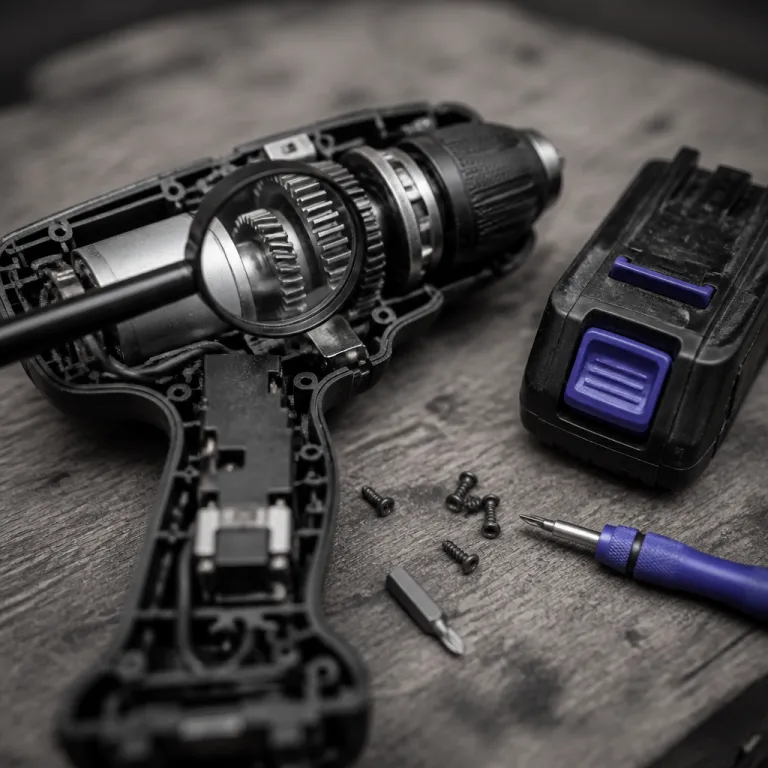
Why the right to repair your cordless drill matters before the clock runs out
The right to repair modern cordless drill kits is not an abstract policy debate for homeowners who rely on one driver for every project. When your only power tool fails halfway through hanging cabinets, the question is brutally simple: will you repair the drill you already know, or buy into a new platform and hope the batteries last longer this time? That decision point is exactly where consumer rights, warranty fine print, and the real behavior of leading brands collide.
Most cordless power tools fail in predictable ways, and those failures usually involve moving parts or the battery system rather than the motor suddenly burning out. Switches arc, chucks loosen, drill bits slip, and lithium‑ion batteries lose capacity long before the rest of the tool is worn out, which is why the broader right to repair cordless platforms is really a fight over access to affordable replacement parts. When you understand which components are realistically serviceable at home, you can treat your drill as a long‑term tool instead of a disposable gadget.
On brushed drills, the carbon brushes, trigger switch, and chuck are classic repair parts that a careful DIYer can replace with basic tools. These components are mechanical, not digital, and they fail in ways you can see, hear, and test, so repairing them at home respects the spirit of the repair movement around power tools. Brushless models move more of the failure risk into sealed electronics, which makes the drill tougher in daily use but harder to fix when something finally goes wrong.
Think about the cordless kits you see stacked at big‑box stores from Milwaukee, DeWalt, Makita, and Black+Decker. The brands sell you on power, torque numbers, and the latest impact driver, but they rarely highlight how easy it will be to source repair parts five years from now when a 20‑volt battery pack starts sagging under load. That silence is not accidental, because every drill that dies early nudges you toward buying another bundle instead of exercising your option to maintain the equipment you already own.
For a typical DIY homeowner, the main content of this debate shows up as a dead battery on a Saturday morning. You squeeze the trigger, the LED flickers, and the drill barely turns, so you wonder whether to buy a new 18‑volt battery, a whole new drill, or a different set of cordless tools entirely. If you do not know how your warranty service works or whether authorized centers will even sell you replacement parts, you are making that choice half blind.
Right now, the strongest leverage you have is at the moment you buy into a battery platform, not when the first drill or impact driver failure appears. Choosing a system where batteries, chucks, and other parts are widely available gives you practical power over the life of your tools, while a closed ecosystem quietly limits your ability to repair drills on your own terms. That is why the right to repair cordless systems is ultimately about shifting control back from brands to the person holding the driver.
What you can actually fix on a cordless drill before the warranty expires
Most owners underestimate how much tool repair they can legally and safely handle before the warranty expires. The typical limited warranty on power tools covers manufacturing defects, not wear and tear, so replacing a worn chuck, a stripped drill bit, or a tired battery is usually on you anyway, and doing that work yourself does not automatically void an authorized warranty. The key is to understand which moving parts are considered consumables and which repairs cross into the territory that brands prefer to keep behind the service counter.
Start with the chuck, because it is the most abused part of any drill that still turns. If your hammer drill or standard driver wobbles under load, or drill bits slip even when you crank the collar tight, a new chuck will often restore accuracy and power for a fraction of the cost of a new power tool kit. On many DeWalt 20V MAX (for example, DCD771C2 using chuck N074647) and Milwaukee M18 drills (such as 2606‑20 with chuck 42‑66‑5316), you can remove the chuck with a hex key and some leverage, then install a factory or compatible replacement without touching the motor or electronics.
A basic chuck replacement walk‑through looks like this: remove the battery, open the jaws fully, and remove the left‑hand screw inside the chuck with a Phillips screwdriver. Insert a 3/8‑inch hex key, tighten the chuck around it, and strike the key counterclockwise with a mallet to break the chuck loose. Spin off the old chuck, thread on the new one by hand, snug it down with the same hex key, and reinstall the screw. With a replacement chuck costing roughly $20–$35 and the job taking 20–30 minutes, this single repair can extend the life of a midrange drill by years, though some models use different fasteners or retention methods that require checking the official parts diagram first.
Next comes the trigger switch, which is a classic failure point on older drills from brands like Black+Decker and other driver lines that saw heavy DIY use. A failing switch may cause intermittent power, sudden cutouts, or a dead trigger even when the batteries are fully charged, and those symptoms often appear just after the warranty window closes, which is why practical repair rights for these assemblies matter so much. If you can source the correct switch as one of the official repair parts, swapping it in with careful wiring can bring a drill back to life for the cost of a few coffees.
On brushed motors, carbon brushes are another area where the owner should have clear rights. These small parts wear down as the drill runs, and replacing them is a textbook example of responsible tool repair that extends the life of power tools without touching any sealed electronics or firmware, so it should never threaten an authorized warranty when done correctly. Yet some leading brands blur this line in their documentation, implying that any internal work might affect coverage, which quietly discourages consumers from servicing components that were designed to be replaceable.
Battery packs sit in a gray zone, because swapping a whole pack is encouraged while opening the case is not. Replacing a tired 18‑volt battery or 20‑volt battery with a new pack from the same platform is routine maintenance, and it is the only way to keep the full power of your drills once the original batteries fade, but cracking the case to reach individual cells or the battery management board will almost always void any remaining warranty. That is why many repair advocates argue that owners should have legal access to safe, documented procedures and replacement parts for these packs, instead of being forced to treat them as sealed black boxes.
If you want a deeper sense of how your drill and impact driver choices affect long‑term ownership, look at how each platform treats parts diagrams and service manuals. Some DeWalt models make exploded views and part numbers easy to find on official support pages, which supports long‑term maintenance of cordless drill kits over a decade of use, while others bury this information or route every question through a single service center. For a broader view of how different cordless platforms shape your projects, you can study guides on power cordless tools that redefine how you drill, drive, and build and then ask whether each recommended kit respects your ability to maintain it.
Quick reference: typical user‑serviceable parts on common cordless drills
| Component | Typical tools needed | DIY‑friendly? | Warranty impact (general guidance) |
|---|---|---|---|
| Chuck | Hex key, Phillips screwdriver, mallet | Yes on most DeWalt, Milwaukee, Makita, Black+Decker drills | Usually treated as wear part; replacement rarely affects tool warranty if done correctly |
| Trigger switch | Screwdrivers, basic hand tools, wiring awareness | Often, if OEM part is available and wiring is documented | May affect coverage if wiring is altered; check brand‑specific terms |
| Carbon brushes (brushed motors) | Screwdriver, small pick or pliers | Yes on many brushed models with external brush caps | Generally allowed as routine maintenance when access is provided |
| External housings and belt clips | Screwdrivers, Torx bits | Yes where replacement shells are sold | Low risk if no internal electronics are damaged |
| Complete battery pack | None beyond normal release mechanism | Yes; swapping packs is expected | Covered as separate battery warranty; using non‑OEM packs can void coverage |
| Internal battery cells or BMS board | Soldering tools, safety gear | No for most owners; treated as non‑serviceable | Almost always voids remaining battery or tool warranty |
Where the line is: electronics, batteries, and the limits of DIY repair
There is a hard boundary in every modern cordless drill between what a careful owner can repair and what is locked behind proprietary electronics. Brushless motors, which dominate midrange and premium drills from Milwaukee, DeWalt, and other leading brands, use electronic controllers that manage power delivery, braking, and protection, and those boards are not designed for home repair even when the rest of the drill looks serviceable. When that controller fails, the drill often goes from working perfectly to completely dead, with no gradual warning and no realistic DIY fix.
The same problem appears inside lithium‑ion battery packs, where the cells themselves are only half the story. Each pack contains a battery management system that balances cells, monitors temperature, and communicates with the charger, and this circuit is tuned to the specific volt rating and chemistry of the platform, which is why a 20‑volt battery from one brand cannot safely substitute for an 18‑volt pack from another even if the plastic shell fits. When that board fails, the pack may refuse to charge, cut out under load, or show no signs of life, and the only sanctioned solution is to buy a new pack rather than repair batteries at the component level.
Third‑party batteries complicate the picture further, because they promise cheaper power but often hide their compromises. Some off‑brand packs for Milwaukee and DeWalt platforms use lower‑grade cells or weaker protection circuits, which can reduce runtime, increase heat, and shorten the life of both the battery and the drill, and they almost always void any remaining authorized warranty on the power tool. For a homeowner, that means the apparent savings at checkout can erase your leverage if a charger melts or a pack fails catastrophically, leaving you outside both warranty service and the safer path of documented repair parts.
Impact drivers and hammer drills add another twist, because their higher torque and percussive action stress every component harder. A compact drill‑impact driver combo like Milwaukee 2997‑22 or DeWalt DCK283D2 can drive long structural screws and Tapcon anchors with ease, but that same impact can accelerate wear on chucks, gearboxes, and even the interface between the tool and the battery, which makes robust access to replacement parts even more important. When you cannot source a simple housing or gearbox as a consumer, a cracked case or stripped gear turns a powerful tool into e‑waste long before the motor or electronics are truly finished.
Repair advocates argue that legislation should require brands to sell critical parts, publish service documentation, and avoid using software locks to block independent tool work. For owners of power tools, that would mean easier access to genuine switches, chucks, housings, and even certain battery components, along with clear guidance on which repairs are safe to perform without jeopardizing warranty service, instead of vague threats buried in legal language. Until that happens, the practical ability to keep cordless drill kits running remains limited by what each brand chooses to share, not by what is technically possible.
If you are weighing an upgrade from a basic drill to a full drill, impact, and hammer drill trio, factor these limits into your buying decision. A platform that treats batteries as disposable and hides parts diagrams may score high in marketing but low in long‑term value, while a system that supports owner maintenance lets you keep your tools working through multiple sets of batteries and projects, even if the upfront price is higher. For a deeper dive into how impact drills change the way you work, and how that extra stress affects long‑term reliability, look at resources explaining what impact drills are and how they transform cordless work before you commit.
Buying and maintaining a cordless drill set you can still trust in ten years
Choosing a cordless drill set is no longer just about power and price; it is about whether you will still be able to maintain that kit when the original batteries fade and the first switch fails. When you stand in the aisle comparing Milwaukee, DeWalt, Makita, and Black+Decker bundles, you are really choosing a long‑term relationship with a battery platform, a parts ecosystem, and a specific attitude toward repairability. The smartest move is to treat that choice like picking a truck for a decade of work, not a gadget for a single project.
Look first at how each platform handles batteries, because that is where most of your future spending will go. If a replacement 18‑volt battery or 20‑volt battery costs more than half the price of a new kit, or if third‑party options are the only affordable path, you are effectively renting power tools instead of owning them, and your practical leverage over repairs is weaker than the marketing suggests. A healthier ecosystem offers reasonably priced OEM packs, clear compatibility across multiple tools, and published guidance on storage and charging that helps you stretch the life of every pack.
Next, check how easy it is to find parts diagrams and order repair parts without going through a single gatekeeper. If a brand makes you dig through obscure pages or "skip main" navigation just to reach the main content about tool repair, that is a signal about how they view your role as an owner, while a company that foregrounds parts support is betting that informed consumers will stay loyal. When you can quickly locate chucks, housings, switches, and other moving parts for your exact model, you gain real leverage over the lifespan of your drills and impact drivers.
Maintenance habits matter as much as brand choice once the tools are in your hands. Cleaning cooling vents, avoiding overloading a compact drill with lag bolts that call for a hammer drill, and retiring worn drill bits before they overheat the motor will all extend the life of your power tool collection, and these steps cost almost nothing compared with a new kit. Storing batteries at moderate temperatures and partial charge between projects can double their usable life, which quietly strengthens your position by delaying the day you must buy new packs.
When you plan a project like hanging kitchen cabinets, think about how your drill, impact driver, and fasteners work together. Matching cabinet screws to your cordless drill set, as explained in guides on choosing cabinet screws that match your cordless drill set and your cabinets, reduces cam‑out, stripped heads, and overheating, which protects both the tool and the batteries. Every time you avoid stalling a drill or impact driver at full torque, you are quietly preserving the moving parts and electronics that are hardest to replace.
Finally, read the fine print on warranty service and the privacy policy before you register a new kit. Some leading brands offer generous coverage on the tool but short terms on batteries, while others bundle both under a single period that starts the day you buy, and those details shape how long you can rely on authorized support before the full weight of tool repair falls on you. In the end, the cordless drill you can trust is not the one with the highest torque score on the box, but the one whose parts, batteries, and documentation will still be there for you on the tenth deck screw at a frozen 6 a.m.
Key figures that shape the right to repair your cordless drill
- Hundreds of power tool models have been recalled in recent years for issues including faulty switches, overheating batteries, and fire risks, according to public notices from the United States Consumer Product Safety Commission, which underscores how often failures occur in exactly the components owners are least able to repair.
- Replacement lithium‑ion battery packs for major cordless platforms typically cost between about 40% and 60% of a new drill and impact driver kit price, based on representative retail listings from leading brands on large home‑improvement and online marketplaces at the time of writing, which financially nudges many consumers toward buying new tools instead of repairing the systems they already own.
- Brushless drills contain fewer serviceable moving parts than brushed models, reducing routine maintenance needs but also limiting the number of components that a homeowner can replace without specialized equipment, which shifts more control over repairs to manufacturers and authorized service centers.
- Right to repair legislation has been introduced or passed in multiple United States states covering electronics and appliances, and advocates are increasingly pushing to include power tools, which would require brands to provide parts, tools, and documentation for a reasonable period after sale.