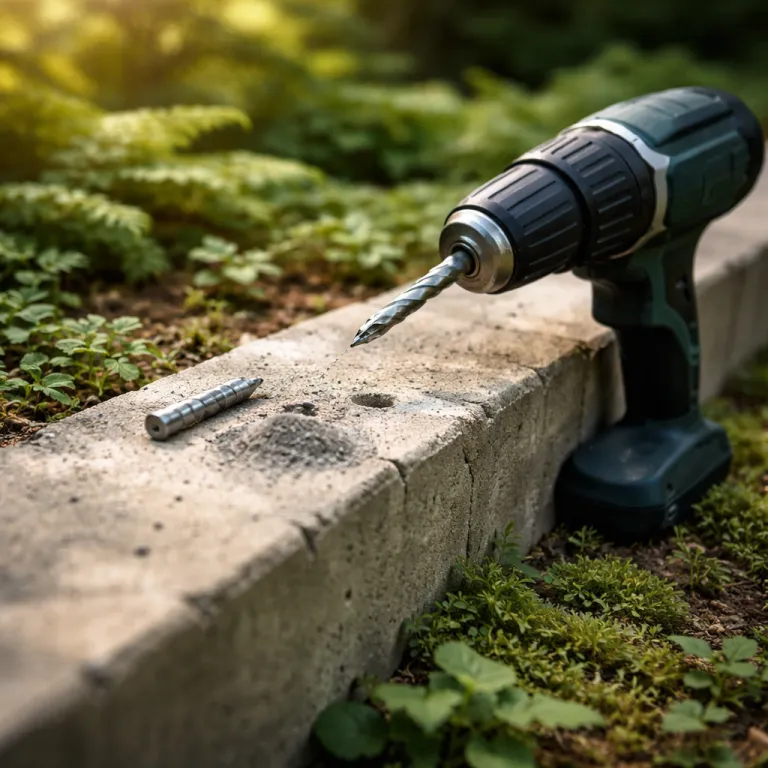
Knowing when a cordless hammer drill is enough for concrete
Drilling into concrete with a cordless drill sounds simple until it is not. A regular power drill will bore into concrete only up to a point, and beyond that the motor cooks while the bit just polishes the surface. The honest limit for most 18 to 20 volt power drills is a 10 millimetre drill bit in solid structural concrete, with anything larger turning into slow, battery-draining work that tests both patience and tool life.
When you drill into a wall that is actually concrete brick or block, the aggregate is softer and the drill will feel livelier. A compact hammer drill such as the DeWalt DCK283D2 or Makita XT269M can handle drilling holes for light concrete anchors all day, but only if you respect that limit and keep the hammer function engaged. Try to push a 16 millimetre drill hole for a heavy ledger and you will feel the tool stall, the clutch chatter, and the masonry bit tip glaze instead of cutting.
Think of cordless hammer drills as precision tools for small holes, not as rotary hammers for structural work. If you need to drill concrete for half inch or larger anchors in a slab, renting an SDS Plus rotary hammer is the smart step that protects your power drill and your wrists. Use the cordless hammer drill for the dozens of smaller drill holes that hold conduit clips, Tapcon style concrete anchors, and bracket screws where careful cordless drilling technique really shines.
Choosing the right bits and settings before drilling into concrete
Concrete does not forgive the wrong drill bit, no matter how strong your power drills might be. For any drilling into concrete you should use tungsten carbide tipped masonry bits, because a regular twist bit will overheat, round off, and stop cutting within one or two holes. Match the bit diameter to your concrete anchors carefully, since a loose drill hole in brittle concrete brick will never hold its rated load.
Standard SDS masonry bits do not belong in a half inch cordless chuck, and forcing them in will damage both the bit and the hammer drill. Instead, choose straight shank masonry drills from reputable brands, then lock them firmly and check for chuck runout before you start drilling holes into concrete. Set the hammer function on for concrete drilling, but turn it off when you drill into tile or delicate brick, and read a dedicated guide on drilling into tile with cordless drills so you avoid cracks.
Speed and pressure matter more than raw power when you drill concrete with a cordless tool. Start at low speed, typically 400 to 600 RPM on the first gear of an 18 volt drill for 6 to 8 millimetre bits, to create a shallow pilot hole, then move to medium speed around 700 to 900 RPM as the bit seats and the hammer action begins to chip away at the surface. Never run at maximum RPM in hammer mode, because the drill will overheat, the bit will dull, and concrete dust will pack the flutes instead of clearing cleanly.
Step by step technique for clean, safe concrete drilling with cordless tools
Good results when drilling into concrete with a cordless hammer drill come from rhythm, not brute force. Use this concise checklist before you start:
- Mark your hole location and verify there are no hidden services behind the concrete.
- Set your depth stop if your hammer drill has one, or mark the drill bit with tape at the required depth.
- Grip the auxiliary handle firmly, square the bit to the surface, and start with the lightest pressure you can while still letting the drill bit bite.
- Once the tip has created a shallow dimple in the surface, lean in slightly and let the hammer function and motor power do the work instead of forcing the tool.

Every 10 to 15 seconds, or roughly after drilling 10 to 15 millimetres of depth, pull the bit out of the drill hole while it is still spinning to clear dust and let it cool. This withdrawal step keeps concrete dust from packing the flutes, reduces friction heat, and means the drill will run cooler and last longer across many holes. If you skip this and just push, the masonry tip overheats, the hammer drill bogs down, and you end up polishing the hole instead of cutting it.
Use an auxiliary handle whenever your power drill offers one, because a sudden bind in concrete can twist your wrist badly. Wear eye protection and a proper respirator, ideally an N95 or P100 rated mask as recommended by NIOSH for silica dust, since fine silica dust from drilling holes into concrete brick or slab can irritate lungs and eyes long after the work ends. When you move from drilling into concrete to driving cabinet screws, switch out of hammer mode, change to a driver bit, and match your fasteners carefully using a guide on choosing cabinet screws that match your cordless drill set.
Reading the signs that your cordless drill should stop and an SDS should start
There is a clear point where a cordless hammer drill should retire from a concrete job. If you are drilling into a foundation wall and the drill stalls repeatedly, even with a sharp masonry bit and cleared dust, the aggregate is probably too hard for regular drills. When the motor housing becomes too hot to touch comfortably and the battery drops from full to half after only a couple of drill holes, you are abusing the tool rather than using it.
Use a simple rule of thumb for concrete drilling with cordless tools at home. Up to 8 or 10 millimetre holes into concrete for light duty concrete anchors, a good 18 volt hammer drill such as the Milwaukee 2997-22 will drill efficiently and safely. Once you need to drill into concrete for 12 millimetre or larger anchors, or you must make dozens of deep drilling holes in a row, renting an SDS Plus rotary hammer for a day is cheaper than replacing a burned out power drill.
Pay attention to the sound and feel of the hammer function while you work. A healthy hammer drill has a crisp chattering feel as the masonry bit chips away at the surface, while a struggling drill will just hum and vibrate without real progress. When you feel that change, stop, let the drill cool for at least five minutes, and either downsize the hole plan or bring in heavier tools before the drill fails permanently or the thermal cutout trips repeatedly.
Aftercare, dust control, and extending the life of your cordless drill set
Concrete dust is the silent killer of cordless drills, because it creeps into vents, switches, and chucks. After any session of drilling into concrete with a cordless drill, wipe down the housing, blow dust out of the motor vents with low pressure air, and open the chuck fully to clear grit from the jaws. If your hammer drill has a removable auxiliary handle or depth rod, clean those parts too so they adjust smoothly the next time you drill into concrete.
Managing dust while you drill concrete also protects your lungs and keeps the work area safer. Hold a vacuum nozzle just below the drill hole while you work, or use a clip on dust shroud that catches debris as the bit flutes eject it. This simple step keeps the floor from becoming slippery, reduces airborne dust, and makes it easier to see your marks as you move between holes with your power drills.
Store your drill bits in a dedicated case so the cutting edges do not knock together between jobs. Label the masonry drills you rely on for concrete anchors, and retire any drill bit that shows blue heat marks or chipped carbide tips, because a damaged bit will drill poorly and stress the hammer drill. For larger circular openings in wood or metal that sit over concrete, study a focused guide on hole saws for cordless drills and precise cutting strategies so you learn drill control that transfers directly back to safer concrete work.
FAQ
Can a regular cordless drill handle concrete without hammer mode ?
A regular cordless power drill without hammer function can make very shallow holes in weak concrete or mortar, but it struggles badly in structural concrete. The bit tends to overheat, the drill will stall, and progress is painfully slow even for a single drill hole. For anything beyond a few light duty anchors, you should use a true hammer drill or rent an SDS Plus rotary hammer.
What size holes in concrete are realistic for a cordless hammer drill ?
Most 18 to 20 volt cordless hammer drills are comfortable drilling holes up to 8 or 10 millimetres in diameter into concrete, especially for plastic or light metal concrete anchors. You can sometimes push to 12 millimetres in softer concrete brick, but the work becomes slow and hard on the motor. Anything larger is better handled by a corded rotary hammer that is designed for heavy concrete drilling.
Which drill bits should I use for drilling into concrete with a cordless drill ?
You should use tungsten carbide tipped masonry drill bits that are rated for hammer drilling, because they survive the impact and abrasion of concrete aggregate. Avoid regular high speed steel bits, since they dull almost immediately when you drill into concrete and can even snap under hammer action. Choose straight shank masonry bits that fit your chuck, not SDS shank bits that are meant for rotary hammers.
How do I keep my cordless drill from overheating in concrete ?
Use medium speed, moderate pressure, and pull the bit out every 10 to 15 seconds to clear dust and let it cool. If the drill housing becomes too hot to hold or the battery drains very quickly, stop and let everything cool before continuing. When those signs appear repeatedly, it is time to reduce hole size or switch to a more powerful tool.
When should I stop and rent a rotary hammer instead ?
If you need to drill many deep holes larger than 10 millimetres into hard structural concrete, a cordless hammer drill is the wrong tool. Repeated stalling, slow progress, and excessive heat are clear warnings that the drill will not last under that load. Renting an SDS Plus rotary hammer for a day is usually cheaper than replacing a burned out cordless drill set.
