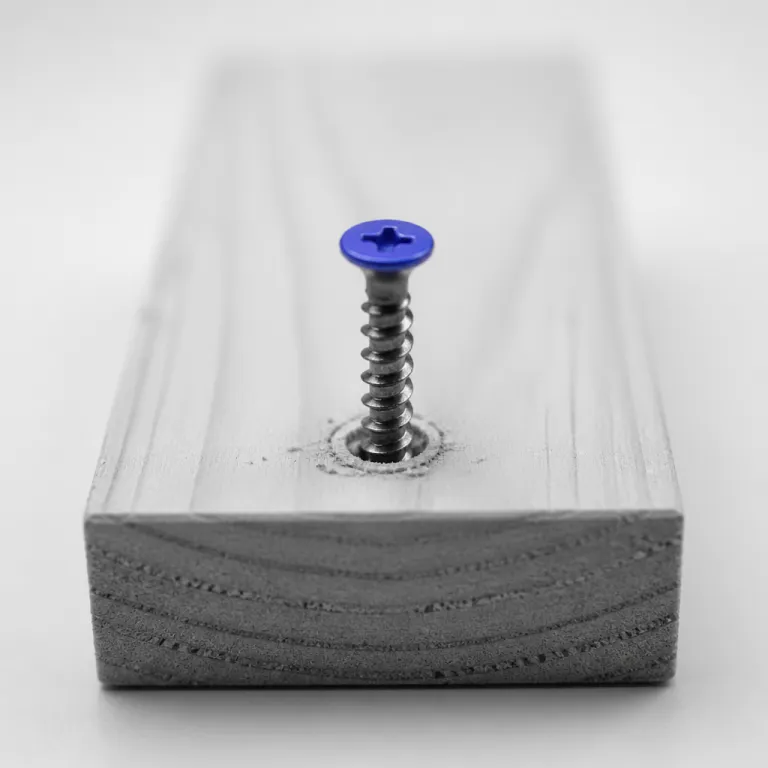
Why pilot holes matter with a cordless drill set
Pilot holes look optional until your first split board ruins a project. When you match the pilot hole size chart for a cordless drill to the right wood screw and material, the screw drives straighter, the wood stays intact, and your cordless drill works less. Skipping that tiny drill bit step often means stripped screws, overheated drills, and ugly holes around the fastener head.
Think of a pilot hole as a guide track that tells the screw exactly where to go. The drill size for that track should usually match the screw shank, not the outer thread size, so the threads still bite while the core slides without forcing the wood apart. With hardwoods especially, a correctly sized pilot hole lets even budget cordless drills and compact impact drivers sink long wood screws without smoke or burning.
Most first time buyers focus on the cordless drill, the batteries, and how many tools come in the stock bundle. The quiet truth is that the drill bits and the pilot holes they create decide whether that new black decker 12 volt drill or Ryobi 18 volt drill feels powerful or weak. A modest volt drill with a sharp drill bit and a proper pilot hole can outperform a heavy duty hammer drill that is ramming oversized screws straight into dry oak.
When pilot holes are mandatory
There are situations where you should never skip a pilot hole. Any time you drive a large wood screw into hardwood, near an edge, or into old dry framing, you need a pilot hole that matches the correct bit size on the chart. Without that guide, the screw acts like a wedge, forcing the grain apart and leaving visible cracks that no filler really hides.
Hardwoods such as oak, maple, and walnut are dense enough that even cordless drills with strong drills impact modes will stall or cam out screws without a pilot. A properly chosen drill bit, set to the right hole size and depth, lets the screw threads cut instead of crush, which protects both the material and the drill chuck from brutal shock loads. When you are hanging doors, building cabinets, or fastening deck hardware, treat pilot holes as part of the plan, not an optional extra.
Edges are another red flag for skipping pilot holes. If the center of a board can sometimes forgive a missing pilot hole, the last 20 millimetres near an edge almost never will, especially with long wood screws or structural screws. Here, a small cordless drill and a simple drill guide block can keep the bit straight, protect the chuck from slipping, and give you repeatable pilot holes that line up hardware perfectly.
When you can safely skip pilot holes
Not every screw needs a pilot hole, and knowing when to skip saves time. In softwoods such as pine or spruce, short screws under about 40 millimetres often drive cleanly with a modern cordless drill, especially if the screws are labeled as self tapping wood screws. Drywall is even more forgiving, because the gypsum core crumbles around the screw threads instead of splitting like wood fibres.
Drywall anchors are designed so that the pilot hole is effectively built into the anchor itself, which means your drill bit only needs to match the anchor size printed on the package. Self drilling metal screws, sometimes called Tek screws, also carry their own tiny drill bits on the tip, so your cordless drills and impact drivers can punch through thin sheet metal without a separate pilot hole. In these cases, the pilot holes are integrated into the fastener design, and forcing an extra hole size step can actually reduce holding power.
There is also a grey zone where you can choose based on the tools and materials you have. If you are driving a medium size screw into fresh construction lumber with a strong impact driver and quality batteries, you can often skip a pilot hole and rely on the clutch and torque. When you are unsure, make a quick test on scrap stock with your cordless drill and one drill bit, then compare how the screw feels with and without a pilot hole before committing to the real workpiece.
How to read a pilot hole size chart for cordless drills
A pilot hole size chart for a cordless drill looks intimidating until you understand what it is really matching. Every line connects a specific screw gauge or diameter to a recommended drill size for softwood and a slightly larger drill size for hardwood. The goal is always the same, which is to let the screw shank slide while the threads still cut and grip the surrounding fibres.
The general rule is simple enough to remember on site. For most wood screws, the pilot hole diameter should be about 60 to 70 percent of the outer screw diameter, which usually means matching the drill bit to the solid core of the screw when you hold them side by side. For example, a common #6 wood screw often pairs with a 7/64 inch drill bit, a #8 screw with a 1/8 inch bit, and a #10 screw with a 9/64 inch bit, with hardwood sometimes needing a fractionally larger hole size.
Charts also distinguish between clearance holes and pilot holes. A clearance hole is drilled through the top board at a drill size equal to or slightly larger than the screw threads, so the screw pulls the two pieces together without jacking the top board upward. The pilot hole, by contrast, is drilled into the lower board only, and your cordless drill or drill press should be set so the bit stops just short of the full screw length minus the head height.
Depth control with a cordless drill
Depth matters as much as diameter when you are drilling pilot holes. If the pilot hole is too shallow, the screw still has to force its way through solid wood at the bottom, which can split the stock or stall a compact cordless drill. If the pilot hole is too deep, the screw may bottom out before the head seats, leaving a loose joint that even an impact driver cannot fix.
The simplest depth stop is a wrap of masking tape around the drill bit at the desired length. Measure the screw from tip to the underside of the head, subtract a few millimetres, then mark that on the bit so your cordless drills stop when the tape brushes the surface. This low tech drill guide trick works with any brand, from Ryobi and Black Decker kits to higher end power tools, and it prevents you from punching through the back face of a cabinet or shelf.
For repetitive work, a drill press with an adjustable stop gives perfect pilot holes every time, but most home projects rely on a handheld cordless drill. In that case, use the clutch setting to protect both the screw and the material, running a lower clutch when you skip a pilot hole and a higher clutch when the pilot hole is correctly sized. If you are drilling delicate materials such as glass or tile, switch to specialised accessories and follow a dedicated guide such as this resource on choosing the right glass drill bit for clean precise holes: glass drilling bit selection.
Choosing the right drill bits and tools for pilot holes
The best pilot hole size chart will not help if your drill bits are dull or the wrong type. For wood, standard twist drill bits in high speed steel work, but brad point bits track straighter and leave cleaner entry holes that match the intended hole size more precisely. When you are driving many wood screws in visible furniture, that cleaner start makes the final result look more professional.
Match the bit size to the screw and the material, not to whatever happens to be in stock in your toolbox. Cheap mixed drill bit sets that are sold in big box stores often skip the in between sizes that charts recommend, which tempts you to choose a bit that is slightly too large or too small for the pilot hole. Over time, that mismatch leads to either stripped screws that spin in oversized pilot holes or split boards from undersized holes that do not relieve enough pressure.
For metal, masonry, or tile, you need specialised drill bits and sometimes different tools entirely. A cordless drill can handle light metal drilling with the right bit and a steady speed, but for heavy duty steel or thick plate, a drill press or a more powerful corded tool is safer and more accurate. When you are working with hex head fasteners or driving into concrete, pairing the correct drill bits with impact drivers or hammer drills keeps both the bit and the chuck from wearing out prematurely.
Bit types, chucks, and cordless drill compatibility
Your cordless drill chuck decides which bits you can use comfortably. Most homeowner cordless drills use a 10 millimetre or 13 millimetre keyless chuck, which handles standard round shank drill bits and hex shank bits for quick changes between drilling and driving. If the chuck has noticeable runout, meaning the bit wobbles as it spins, your pilot holes will be slightly oversized and off centre, which defeats the purpose of careful sizing.
Impact drivers use a 6.35 millimetre hex collet instead of a chuck, so they need hex shank drill bits or dedicated pilot hole accessories. For repetitive framing work, some tradespeople keep a drill bit in a cordless drill and a driver bit in an impact driver, swapping between tools instead of changing bits in one chuck. That workflow keeps the pilot holes consistent and speeds up production, especially when you are driving hundreds of screws into the same stock.
If you are building out a cordless platform for the first time, think about the drill bits and accessories you will actually use, not just the headline torque numbers. A compact Ryobi or Black Decker kit with two batteries, a decent drill bit assortment, and a reliable cordless drill often beats a bare heavy duty tool that leaves you shopping for compatible bits later. For hex shank accessories in particular, a focused guide such as this article on choosing the right hex drill bits for your cordless drill set can help you avoid low quality bits that round off under load: hex drill bit selection.
Clutch settings, impact drivers, and screw driving technique
Pilot holes and clutch settings work together to control how a screw goes into the material. When you drill a correctly sized pilot hole, you can safely raise the clutch setting on your cordless drill because the screw meets less resistance and is less likely to split the stock. Without a pilot hole, you should drop the clutch to prevent overdriving, stripping, or snapping the screw in dense wood.
Think of the clutch as a torque limiter that protects both the screw and the tool. On a typical cordless drill, lower numbers slip earlier, which is useful when you are driving small screws into softwood without pilot holes, while higher numbers let the drill deliver more torque for larger screws and predrilled pilot holes. If you hear the clutch ratcheting constantly even with a pilot hole, either the hole size is too small or the batteries are low and the drill cannot maintain speed.
Impact drivers change the equation because they deliver rotational impacts instead of smooth torque. With an impact driver, a properly sized pilot hole is even more important, because the hammering action can easily snap a screw if the threads have no relief path in hardwood. Use the impact driver for driving only, keep the drilling work on a cordless drill with a good chuck, and let the pilot holes do the heavy lifting so the impact tool can focus on seating the screw head cleanly.
Matching screws, pilot holes, and materials
Not all screws behave the same way in a given pilot hole. Coarse thread wood screws bite aggressively in softwood and need a slightly smaller pilot hole than fine thread screws of the same size, while structural screws often come with manufacturer charts that specify exact drill size and hole size. When in doubt, test the fit by driving a screw into scrap with your cordless drill and then backing it out to inspect the threads and the wood fibres.
If the screw comes out with crushed or torn fibres packed between the threads, the pilot hole was probably too small. If it backs out with almost no resistance and the hole looks polished and smooth, the pilot hole was likely too large and the screw will not hold under load, even if your impact driver seats it flush. Aim for a feel where the screw requires steady pressure from the drill but does not squeal, smoke, or stall, which tells you the pilot hole and screw size are working together.
For long term reliability, pair quality screws with a stable cordless platform and fresh batteries. A midrange kit such as a DeWalt 20V Max DCK283D2, a Milwaukee M18 2997-22, or a Makita LXT XT269M will all drive wood screws well when the pilot holes are right, but even the best power tools cannot compensate for badly chosen hole sizes. What matters on site is not the torque rating on the box, but whether your tenth deck screw at a frozen 6 a.m. still sinks straight without splitting the joist.
Practical pilot hole tips for real cordless drill projects
Most home projects live in the messy middle between textbook charts and whatever tools you actually own. When you only have a basic cordless drill, a handful of drill bits, and a mixed box of wood screws, you can still get reliable pilot holes by following a few habits. Start by laying out a simple pilot hole size chart on a scrap board, drilling test holes with each bit size and matching them to the screws you use most.
Hold a screw against each test hole and feel how it starts. The right match lets the screw drop in until the threads touch, then require firm but smooth pressure from the cordless drill to advance, without wobble or visible gaps around the shank. Mark those pairings directly on the scrap stock, so next time you can glance at your homemade drill guide instead of guessing which drill bit to grab.
When you are working near edges or in expensive hardwood, be conservative. Use a slightly larger pilot hole size than you think you need, especially for long screws, and let the threads do less cutting and more holding, which reduces the risk of splitting the stock. If you are unsure, step up through two drill bits, starting small for a shallow pilot hole and then enlarging only the top half of the depth to ease the screw into the tightest part of the grain.
Countersinking, combo bits, and system thinking
Countersink bits combine a pilot hole and a tapered recess for the screw head in one pass. With a cordless drill and a sharp countersink, you can drill the pilot hole to the correct depth, flare the top of the hole size for the head, and then drive the screw without crushing fibres around the head. That approach is especially useful for visible furniture, trim, and cabinetry where clean screw heads matter as much as holding power.
Think of your cordless drill set as a system, not a single tool. The drill, the batteries, the drill bits, the pilot holes, and even the way you store stock between projects all affect how easily screws drive and how long your tools last. For a deeper look at how different cordless drills, impact drivers, and other power tools fit together into a long term platform, you can study this overview of power cordless tools that redefine how you drill drive and build: cordless tool system guide.
Over time, you will notice patterns in how your favourite cordless drill behaves. Maybe the chuck on a budget kit starts to slip on larger drill bits, or the smaller batteries sag when you drill many pilot holes in hardwood, which nudges you toward a heavier duty tool or larger batteries. Paying attention to those signals, and adjusting your pilot hole habits accordingly, is what turns a first time buyer into a confident DIYer who can trust their setup for years.
FAQ
How do I choose the right pilot hole size for a wood screw?
Match the pilot hole to the screw shank, not the outer threads. For most wood screws, aim for a pilot hole diameter that is about 60 to 70 percent of the overall screw diameter, which usually means the drill bit should visually match the solid core when you hold them together. Use a slightly smaller bit for softwood and a slightly larger bit for hardwood, testing on scrap stock when in doubt.
Do I always need a pilot hole when using a cordless drill?
You do not always need a pilot hole, but you often benefit from one. In hardwood, near edges, with long or large screws, or in old dry lumber, a pilot hole is strongly recommended to prevent splitting and reduce strain on your cordless drill. In softwood, drywall, and with short self tapping screws, you can often skip the pilot hole if you use a sensible clutch setting and test first.
What happens if my pilot hole is too big or too small?
If the pilot hole is too big, the screw threads will not bite properly, leading to weak joints where the screw can pull out under load. If the pilot hole is too small, the screw has to crush too much material, which can split the wood, overheat the drill bit, or snap the screw. Aim for a fit where the screw requires steady pressure to drive but does not squeal, smoke, or stall your cordless drill.
Should I use an impact driver or a drill for pilot holes?
Use a standard cordless drill for drilling pilot holes and reserve the impact driver for driving screws. The smooth rotation and adjustable clutch on a drill make it better for controlling hole size and depth, while the hammering action of an impact driver can be too aggressive for delicate drilling. Many users keep a drill bit in the cordless drill and a driver bit in the impact driver to move quickly between drilling and driving.
How deep should I drill a pilot hole compared to the screw length?
Drill the pilot hole to a depth slightly shorter than the screw length, usually the full length minus the head height. That depth gives the screw shank a clear path while leaving enough uncut material for the threads to grip. A simple way to control this is to wrap masking tape around the drill bit at the desired depth and stop drilling when the tape reaches the surface.