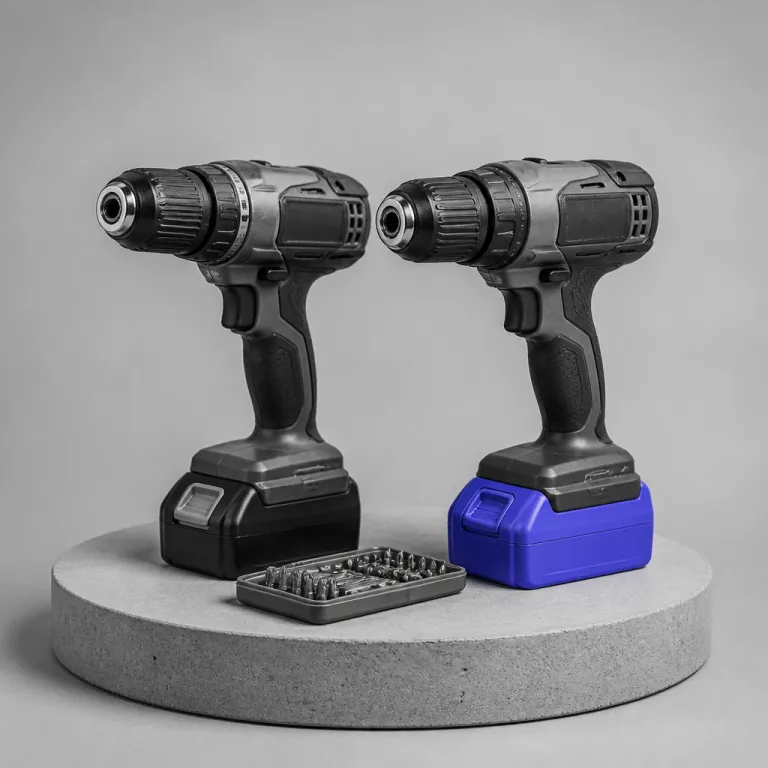
Ryobi vs DeWalt cordless drill platform: what you are really choosing
Walk into a store and Ryobi and DeWalt cordless drill kits look similar. The boxes all promise power, long battery life, brushless motors and the best drilling performance for a tempting price. What you are actually choosing is a long term cordless tool ecosystem, not just a single drill.
Both Ryobi tools and DeWalt tools run on 18 to 20 volt class lithium ion batteries that lock into dozens of power tools, from compact drills to heavy hammer drills. A Ryobi drill starter kit might cost half of a comparable DeWalt drill kit, yet the real bill arrives over the next five years as you add bare tools one by one. That is why any honest comparison of the Ryobi vs DeWalt cordless drill platform has to look beyond the first cordless drill and into the pile of tools you will own years from now.
Ryobi as a brand leans into value, variety and wide availability at Home Depot, while DeWalt as a brand leans into durability, higher rpm performance and jobsite credibility. Ryobi drills and other Ryobi tools are tuned for homeowners who drill a few holes, drive screws and occasionally use a hammer drill on masonry. DeWalt drills and the broader DeWalt Max 20V line target users who push tools hard every day, where a failed battery or weak hammer mode can cost real money. When you weigh Ryobi versus DeWalt Ryobi style, you are really weighing how serious your projects will become over the next several years.
How the starter kits compare for a first cordless drill
For a first cordless drill, most shoppers land on a compact drill driver kit with two batteries and a charger. Ryobi typically offers a ONE+ 18 volt cordless drill kit with a brushed motor, two 1.5 amp hour batteries and a soft bag at a very low price. DeWalt usually counters with a 20V Max compact drill kit that includes a brushless drill, two 1.3 or 1.5 amp hour batteries and a hard case at a noticeably higher price.
On paper, the DeWalt drill often wins the spec sheet battle with higher rpm, better torque and a more refined chuck that wobbles less under load. Many Ryobi drill kits still use brushed motors, although the Ryobi brushless HP line is closing the gap in performance and runtime. If you compare a Ryobi brushless HP cordless drill kit directly with a DeWalt Max Atomic or XR kit and carefully check price, the difference narrows but does not disappear.
There is also the question of whether you need a hammer drill in your first kit or just a standard drill driver. DeWalt sells many compact hammer drill kits in the 20V Max line, while Ryobi sells both hammer drills and non hammer drills in the ONE+ range, often bundled with extra tools Ryobi fans appreciate. For a first time buyer in an apartment, a non hammer drill from either brand is usually enough, but if you expect to drill into concrete regularly, a compact hammer drill from DeWalt or a Ryobi HP hammer drill is worth the extra price.
Ryobi has split its cordless drill lineup into the standard ONE+ and the higher performance ONE+ HP brushless range, and that split matters. If you are debating whether the Ryobi brushless upgrade is worth it, a detailed breakdown of Ryobi ONE+ versus ONE+ HP in terms of power, runtime and drilling speed can help you decide, and you can find that kind of Ryobi volt platform analysis in a dedicated guide on the Ryobi brushless upgrade worth the extra cost. When you compare those Ryobi drills with DeWalt Max brushless drills, you see clearly how each brand positions its starter kits for different types of users.
Battery platforms, runtime and the hidden five year cost
The battery is the real heart of any cordless drill platform, and it is where Ryobi and DeWalt quietly diverge. Both brands use slide pack lithium ion batteries that fit every drill, saw and light in their respective ecosystems, so a Ryobi battery from a drill kit will also power a Ryobi hammer drill or a Ryobi circular saw. A DeWalt battery from a compact drill kit will likewise power a DeWalt hammer drill, an impact driver or a small grinder in the DeWalt Max 20V range.
Where things change is at the top end of power and price, especially once you own several batteries and tools. Ryobi volt ONE+ batteries top out around 9 amp hours for standard packs, and the platform does not step into higher nominal voltages, so the performance ceiling for the most demanding power tools is lower. DeWalt FlexVolt batteries, by contrast, can run at 20V Max or 60V, which lets a single battery feed both a compact DeWalt drill and a heavy rotary hammer drill without changing platforms.
For a first time buyer, the hidden cost is not the initial cordless drill kit but the five year ecosystem investment. A cheap Ryobi drill kit can lead to a shelf full of affordable Ryobi tools, where each bare tool costs less but may not match DeWalt tools in raw performance or durability after years of use. A pricier DeWalt drill kit can lead to a smaller but tougher set of tools DeWalt users trust, with batteries that cost more but hold up better under repeated deep discharges and heavy drilling.
If you map out what you might own five years from now, the picture becomes clearer. On a Ryobi platform, you might have a cordless drill, a separate hammer drill, a jigsaw, a small blower and a work light, all powered by three or four mid size batteries bought at a modest price. On a DeWalt platform, you might instead have a cordless drill, a compact hammer drill, an impact driver and one or two heavier power tools, all running on a mix of standard DeWalt Max packs and perhaps a single DeWalt FlexVolt battery for the toughest jobs. For a deeper dive into how to choose the best tools brand for a cordless drill set with DeWalt at the top of many rankings, a focused guide on choosing the best tools brand for a cordless drill set can help you weigh long term value against upfront savings.
Ryobi ONE+ strengths: variety, value and homeowner friendly performance
Ryobi has built the ONE+ cordless platform around the idea that one affordable battery can power almost any household tool. The range of Ryobi tools now stretches from basic drills and drivers to nailers, inflators, fans and even lawn equipment, all running on the same Ryobi volt 18V packs. For a new homeowner or student, that means a single Ryobi drill kit can be the gateway to a whole wall of green tools without a painful price jump.
In real use, Ryobi drills deliver enough power and rpm for most wood, drywall and light metal drilling, especially in the newer Ryobi brushless HP line. The standard brushed Ryobi drill models are slower and less efficient, but they still handle furniture assembly, shelf installation and light hammer drilling into brick when paired with the right masonry bits. Years ago, Ryobi drills had a reputation for weak chucks and short lived batteries, yet the current generation of lithium ion batteries and improved chuck designs has raised the overall performance of the brand.
Where Ryobi really shines is in the price and breadth of its power tools. A Ryobi hammer drill, a compact impact driver and a small circular saw can often be bought as bare tools for less than the cost of a single premium DeWalt hammer drill, especially when Home Depot runs seasonal promotions. That lets a budget conscious buyer build a versatile cordless drill and tool set over several years without feeling locked out of new categories like nailers or specialty lights.
For many readers, the question is not whether Ryobi is the absolute best brand but whether Ryobi offers the best balance of cordless convenience, tool variety and acceptable performance for the money. If your projects are mostly weekend repairs, light remodeling and occasional outdoor tasks, the Ryobi vs DeWalt cordless drill platform debate tilts toward Ryobi as a sensible starting point. To see how far that versatility goes across the full lineup of Ryobi tools, a detailed article exploring the versatility of Ryobi tools for cordless drill sets can show how a single Ryobi battery can quietly replace a drawer full of corded gadgets.
DeWalt 20V Max strengths: durability, FlexVolt headroom and pro leaning design
DeWalt built its 20V Max cordless platform with jobsite abuse in mind, and that shows in the drills and batteries. A typical DeWalt drill in the XR or Atomic line uses a brushless motor, metal chuck components and electronics tuned for consistent torque under load. Those details matter when you are driving long structural screws or using a hammer drill mode on concrete for hours instead of minutes.
Compared with Ryobi drills, DeWalt drills usually spin faster in rpm, hold their speed better under pressure and recover more gracefully when stalled. The DeWalt Max batteries also tend to use higher grade cells and more robust pack construction, which helps them survive thousands of charge cycles over many years of heavy use. When you step up to a DeWalt FlexVolt battery, you gain the ability to power both standard 20V Max power tools and larger 60V tools without buying into a second platform.
For a first time buyer, that extra durability and performance comes at a higher price, both for the initial cordless drill kit and for every bare tool and battery that follows. A DeWalt hammer drill with a brushless motor and a 3 mode gearbox will usually cost significantly more than a Ryobi hammer drill with similar headline specs, yet the DeWalt tool often feels more controlled and less strained at the edge of its capacity. Over five years, that can mean fewer stripped gears, fewer overheated batteries and fewer mid project failures.
DeWalt tools also carry a certain resale value that Ryobi tools and Black Decker tools rarely match, which matters if you later upgrade or switch platforms. A used DeWalt drill or impact driver in good condition can often be sold locally for a meaningful fraction of its original price, helping offset the cost of newer models. For buyers who expect to grow from weekend projects into serious renovations or side gig contracting, the Ryobi vs DeWalt cordless drill platform choice often tilts toward DeWalt as the safer long term bet.
The five year test: how your tool collection and costs evolve
To understand the real difference between Ryobi and DeWalt, imagine your cordless drill set five years from now. On a Ryobi platform, you might start with a simple cordless drill kit and slowly add a Ryobi hammer drill, a compact impact driver, a multi tool and a few lights as sales appear. Each new Ryobi tool feels like a small decision, because the price of bare tools and mid size batteries stays relatively low.
On a DeWalt platform, the path looks different, even if you begin with a single DeWalt drill kit. You might add a DeWalt hammer drill with a stronger hammer mode, then a dedicated impact driver, followed by a small circular saw and perhaps a grinder, each one tuned for higher performance and longer duty cycles. The total cost after five years will almost certainly be higher than the Ryobi path, yet the average performance of each tool and battery will also be higher.
There is no single best answer, only a best fit for your projects, budget and tolerance for risk. If you mainly drill pilot holes, assemble furniture and occasionally use hammer drills on light masonry, Ryobi tools will likely satisfy you without straining your wallet. If you plan to remodel a kitchen, frame a deck or run tools dewalt style on a side job, the extra upfront cost of DeWalt Max and DeWalt FlexVolt batteries and tools may pay for itself in fewer failures and faster work.
When you stand in the aisle comparing Ryobi vs DeWalt cordless drill platform options, remember that you are not just buying rpm numbers or a shiny hammer drill label. You are buying into how your weekends will feel five years from now, when the tenth deck screw at a frozen 6 a.m. either sinks cleanly or rounds off while your drill smells hot. That is the real test of any cordless drill, any battery and any brand, whether it wears Ryobi green, DeWalt yellow or even the orange of a competitor that looked tempting years ago.
Key figures for Ryobi and DeWalt cordless drill platforms
- Ryobi ONE+ offers more than 175 compatible power tools on a single 18V battery platform, giving homeowners one of the widest cordless ecosystems at the budget end of the market according to manufacturer catalogs.
- DeWalt 20V Max and FlexVolt combined support over 250 tools across 20V and 60V classes, which allows a single DeWalt FlexVolt battery to power both compact drills and high demand saws in the same ecosystem.
- Typical compact brushless drills from both brands deliver no load speeds around 450 rpm in low gear and 1 650 rpm in high gear, with DeWalt models often edging slightly higher in high speed according to published specifications.
- Entry level Ryobi cordless drill kits frequently retail under 150 dollars with two batteries, while comparable DeWalt brushless drill kits often sit between 150 and 250 dollars depending on included batteries and accessories in major US retailers.
- Most lithium ion batteries from Ryobi and DeWalt are rated for several hundred full charge cycles, and with moderate use many users report practical lifespans of three to five years before noticeable capacity loss in homeowner applications.
FAQ about choosing between Ryobi and DeWalt cordless drill platforms
Is Ryobi good enough for a first cordless drill set ?
For most new homeowners and apartment dwellers, a Ryobi cordless drill set is more than good enough. The drills have sufficient power for wood, drywall and light metal, and the batteries support a wide range of affordable tools. If you do not plan heavy daily use, Ryobi offers strong value without locking you into high prices.
When does it make sense to start with DeWalt instead of Ryobi ?
Starting with DeWalt makes sense if you expect to tackle major renovations, frequent outdoor projects or side gig contracting. The DeWalt drill and hammer drill options generally deliver higher performance, tougher housings and better long term durability. Over several years of hard use, the higher upfront price can be offset by fewer failures and faster work.
Can I mix Ryobi batteries with DeWalt tools or vice versa ?
Ryobi batteries only work with Ryobi tools, and DeWalt batteries only work with DeWalt tools, because each brand uses its own slide pack shape and electrical interface. There are third party adapters on the market, but they can void warranties and sometimes limit performance. For reliability and safety, it is best to keep each battery with its matching brand of drills and power tools.
Do I really need a hammer drill for home projects ?
Many home projects only require a standard cordless drill driver, especially for wood, drywall and light metal. A hammer drill becomes useful when you regularly drill into brick, block or concrete, where the hammer action speeds up drilling and reduces bit wear. If you only occasionally need that function, you can rent a hammer drill or choose a mid range Ryobi or DeWalt hammer drill as a second tool later.
How many batteries should I buy with my first cordless drill kit ?
Two batteries are ideal for a first cordless drill kit, whether you choose Ryobi or DeWalt. One battery can charge while you work with the other, which prevents frustrating downtime during longer projects. Over the next few years, adding a third higher capacity battery can give you more flexibility as your collection of drills and tools grows.