Understanding metal drill bits and their importance
Why the Right Metal Drill Bit Matters
When working with a cordless drill set, choosing the correct metal drill bit is crucial for both performance and safety. Metal is a tough material, and not all drill bits are designed to handle its density and hardness. Using the wrong bit can result in poor drilling, damaged tools, or even injury. The right bit ensures efficient cutting, cleaner holes, and longer tool life, especially when dealing with high speed steel or heavy duty applications.
What Sets Metal Drill Bits Apart
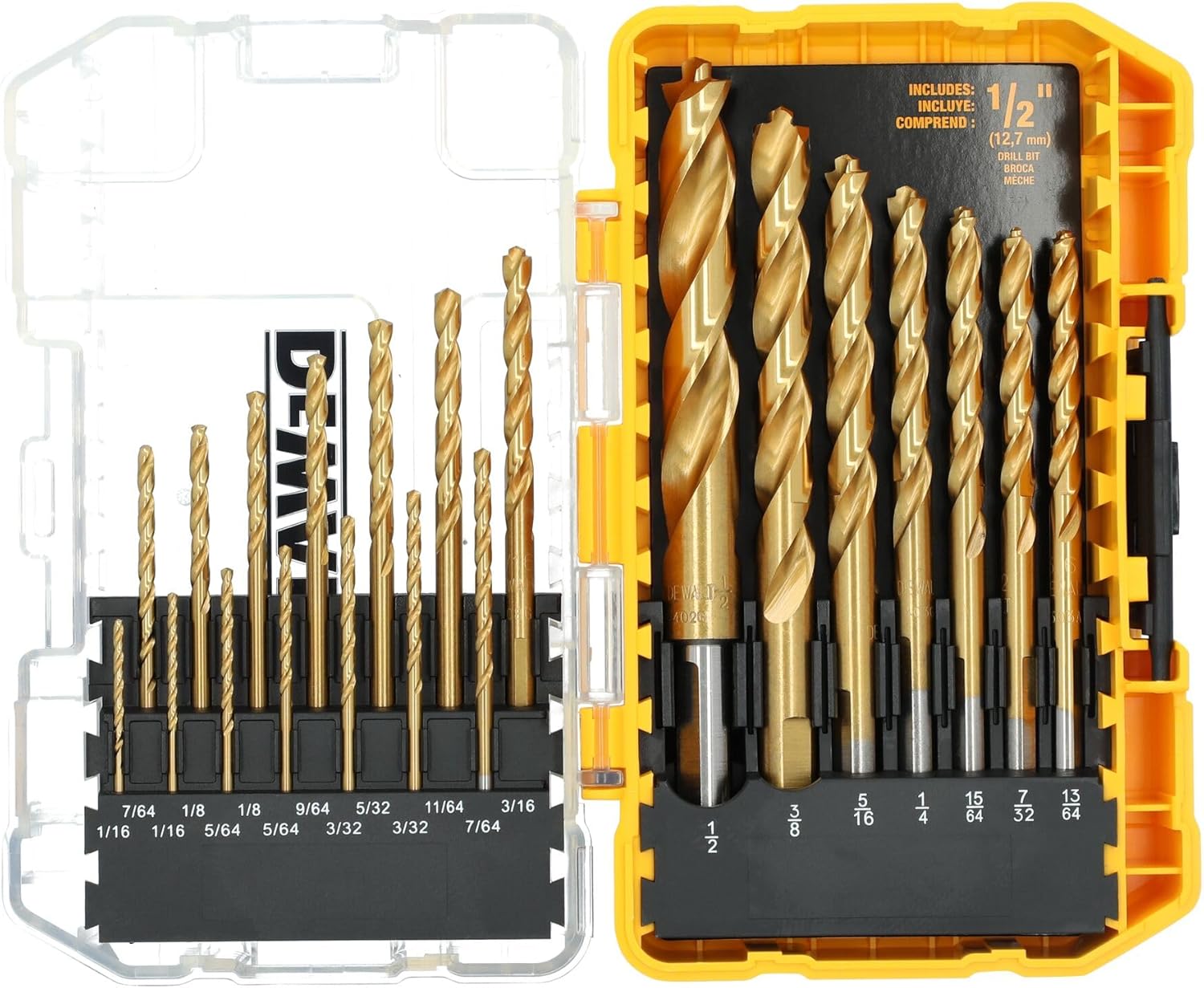
Metal drill bits are engineered with specific materials and designs to cut through steel, aluminum, and other metals. Common options include high speed steel (HSS), cobalt bits, and titanium nitride coated products. Each type offers different advantages in terms of durability, cutting speed, and resistance to heat. For example, cobalt drill bits are known for their ability to withstand high temperatures, making them ideal for drilling into stainless steel or other tough metals. Titanium nitride coatings help reduce friction and extend the life of the bit.
- High speed steel (HSS): Versatile and suitable for most metals and wood.
- Cobalt bits: Excellent for heavy duty, high speed drilling in hard metals.
- Titanium nitride coated: Enhanced durability and reduced heat buildup.
Key Features to Look For
When selecting a metal drill bit for your cordless drill set, pay attention to features like split point tips, reduced shank designs, and the overall quality of the bit set. Split point tips help start holes precisely and reduce wandering, while reduced shank drill bits allow for compatibility with a wider range of drill chucks. A sturdy metal case or organizer can help keep your accessories and bits in top condition.
Understanding the essential parts of a drill bit can also help you make informed choices when comparing products from brands like Dewalt or Black Gold series. The right combination of material, point design, and shank type will ensure your cordless drill set performs at its best, whether you're drilling into metal, wood, or other materials.
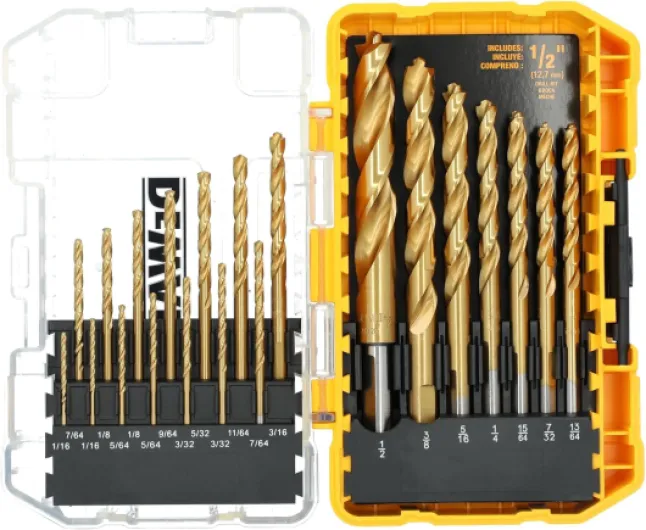
- + Durable titanium nitride coating
- + Pilot point for precise drilling
- + 21 pieces for various applications

Types of metal drill bits for cordless drills
Popular Metal Drill Bit Materials and Their Uses
When choosing a metal drill bit for your cordless drill set, the material and design of the bit make a significant difference in performance and durability. Here’s a breakdown of the most common types of metal drill bits, their features, and what projects they suit best.
- High Speed Steel (HSS) Bits: These are the most common and versatile bits for drilling into metal. HSS bits handle a range of materials, from soft metals to wood, and are often found in basic drill bit sets. They offer a good balance of durability and affordability, making them a staple in most tool kits.
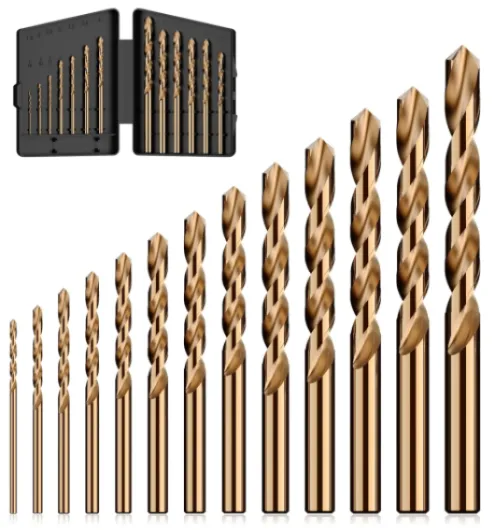
- Cobalt Drill Bits: Cobalt bits are made from an alloy with 5-8% cobalt, giving them extra hardness and heat resistance. This makes them ideal for heavy duty drilling in tough metals like stainless steel and cast iron. Cobalt bits are a top choice for professionals who need reliable performance in demanding jobs.
- Titanium Nitride Coated Bits: These HSS bits are coated with a layer of titanium nitride, which increases their lifespan and reduces friction. They’re suitable for high speed drilling and are a good option for frequent use on a variety of metals. However, the coating can wear off over time, especially with repeated sharpening.
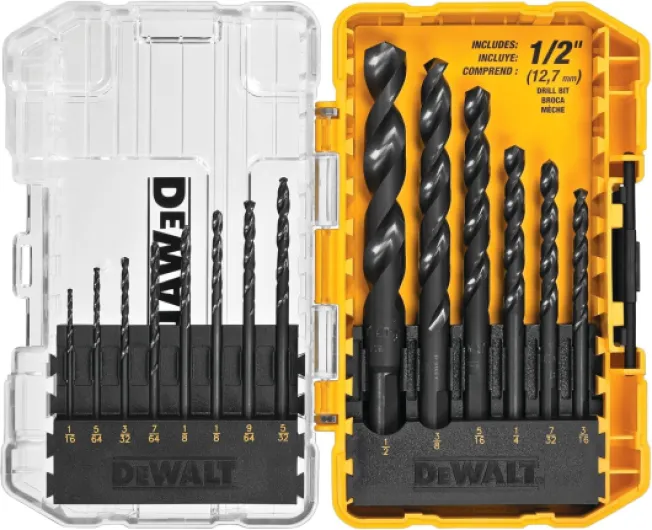
- Black Gold and Oxide-Coated Bits: These bits have a black or gold oxide finish that helps resist corrosion and improves lubrication during drilling. They’re a solid choice for general purpose metal drilling, especially in softer metals.
- Carbon Steel Bits: While affordable, carbon steel bits are generally not recommended for metal. They’re better suited for wood or plastic, as they can dull quickly when used on harder materials.
Bit Design Features That Matter
- Split Point: A split point tip helps the bit start drilling precisely without wandering, which is especially useful for metal surfaces.
- Reduced Shank: Bits with a reduced shank allow you to use larger diameter bits in standard drill chucks, expanding your cordless drill’s versatility.
- Heavy Duty and Duty High Series: These terms often indicate bits designed for tough jobs, with reinforced construction for longer life and better performance in metal.
- Shank Drill and Accessories: The shank type (round, hex, or reduced) affects compatibility with your drill and the stability during use. Some sets include accessories like a metal case for organized storage.
For a deeper dive into how metal drill bits compare with wood bits, and to help you select the right bit for your next project, check out this guide on choosing the right drill bits: wood versus metal explained.
| Bit Type | Best For | Key Features |
|---|---|---|
| High Speed Steel (HSS) | General metal, wood, plastic | Affordable, versatile, available in most bit sets |
| Cobalt | Stainless steel, hard metals | High heat resistance, heavy duty, long life |
| Titanium Nitride | Frequent metal drilling | Coated for durability, high speed drilling |
| Black Gold/Oxide | Softer metals, general use | Corrosion resistance, smooth cutting |
| Carbon Steel | Wood, plastic | Low cost, not ideal for metal |
Choosing the right bit material and design for your cordless drill set ensures efficient drilling, longer tool life, and better results on your metalworking projects. Next, we’ll look at how to match the bit size and shape to your specific project needs.
Matching drill bit size and shape to your project
How to Select the Right Size and Shape for Your Metal Drilling Project
When working with a cordless drill set, choosing the correct drill bit size and shape is crucial for both safety and performance. The right bit ensures clean holes, reduces wear on your drill, and prevents damage to your workpiece. Here’s what to consider when matching drill bits to your metal project:
- Material Thickness and Hole Diameter: For thin sheet metal, smaller diameter bits like 1/16" or 1/8" high speed steel drill bits are often sufficient. For thicker metal or larger holes, heavy duty high speed steel or cobalt drill bits in larger sizes are recommended.
- Bit Shape and Point: Split point bits, such as those found in many Dewalt and Black Gold series, help prevent wandering and start holes accurately. For harder metals, cobalt drill bits with a 135-degree split point offer better cutting performance and durability.
- Shank Type: Standard round shank bits fit most cordless drills, but reduced shank drill bits allow you to use larger diameter bits in drills with smaller chucks. Hex shank bits provide extra grip and are less likely to slip during high torque drilling.
- Coatings and Finishes: Titanium nitride coated bits reduce friction and extend bit life, making them a good choice for frequent drilling. Cobalt bits are best for heavy duty, high speed drilling in stainless steel and other tough metals.
- Bit Sets and Accessories: Investing in a comprehensive bit set with a range of sizes, including accessories like a metal case for storage, ensures you have the right tool for every job. Many top products include both wood and metal drill bits, so check the main content of your set before starting.
Always match the bit size to the fastener or hole requirement for your project. For example, if you’re drilling pilot holes for screws, select a bit slightly smaller than the screw’s diameter. For more on drilling into challenging surfaces, check out this guide on mastering the art of drilling into tile with cordless drills.
| Bit Type | Best For | Key Features |
|---|---|---|
| High Speed Steel (HSS) | General metal, wood, plastic | Affordable, versatile, available in most bit sets |
| Cobalt Bits | Stainless steel, hard metals | Heavy duty, high heat resistance, long life |
| Titanium Nitride Coated | Frequent drilling, extended bit life | Reduced friction, gold finish, suitable for metal and wood |
| Black Gold Series | Professional use, tough jobs | Split point, reduced shank, durable case options |
By understanding the differences in drill bit materials, shapes, and sizes, you can select the right accessories for your cordless drill set and achieve cleaner, safer results when working with metal.
Tips for drilling metal with a cordless drill set
Best Practices for Drilling Metal with Your Cordless Drill Set
When working with metal, your approach matters just as much as the quality of your drill bits. Here are some practical tips to help you get the most out of your cordless drill set and extend the life of your metal drill bits:- Choose the right speed: High speed steel (HSS) and cobalt drill bits are designed for metal, but running your drill at full speed can overheat both the bit and the metal. Use a lower speed setting for harder metals to maintain control and reduce heat buildup.
- Apply steady, even pressure: Let the bit do the work. Excessive force can cause the bit to wander or break, especially with smaller sizes or split point bits. A steady hand helps achieve cleaner holes and protects your drill and accessories.
- Use cutting fluid or oil: Lubrication is key when drilling metal. A drop of cutting oil on the drilling point reduces friction, keeps the bit cool, and extends the life of cobalt, titanium nitride, and black gold series bits.
- Secure your workpiece: Always clamp the metal firmly before drilling. This prevents movement, which can damage the bit or cause injury. A stable setup is especially important when using heavy duty or reduced shank drill bits.
- Start with a pilot hole: For larger holes, begin with a smaller bit to create a pilot hole. This helps guide the main bit, especially with thicker or harder metals, and reduces stress on your cordless drill’s motor.
- Keep your bits sharp: Dull bits generate more heat and require more force, increasing the risk of mistakes. Regularly check your steel drill and cobalt bits for sharpness, and replace or sharpen as needed.
Whether you’re using a Dewalt bit set, a heavy duty cobalt series, or a basic carbon steel drill bit, these tips can help you achieve precise, clean results. Remember, the right technique and accessories are just as important as the drill and bit set you choose. Proper care and attention will keep your metal drill bits performing at their best, project after project.
Common mistakes to avoid when using metal drill bits
Frequent Pitfalls When Working with Metal Drill Bits
When using a cordless drill set for metal, even experienced users can make mistakes that lead to poor results or damaged tools. Here are some of the most common errors to watch out for:- Using the Wrong Bit Material: Not all bits are designed for metal. For example, using a standard wood bit instead of a cobalt or high speed steel drill bit can quickly dull the bit and damage your workpiece. Always select bits labeled for metal, such as cobalt drill bits or black gold series bits.
- Incorrect Drill Speed: Drilling metal requires a slower speed compared to wood. High speed can overheat the bit, especially with heavy duty or reduced shank bits, leading to premature wear. Adjust your drill’s speed setting to match the bit and metal type.
- Skipping Lubrication: Metal drilling generates significant heat. Failing to use a cutting fluid or lubricant can cause bits, even those with titanium nitride or cobalt coatings, to lose their edge faster. Lubrication extends the life of your drill bits and improves cutting efficiency.
- Not Securing the Workpiece: Attempting to drill metal without clamping it down can result in the bit wandering or the metal spinning, which is dangerous and can ruin your project. Always secure your material before drilling.
- Applying Excessive Pressure: Forcing the drill can snap the bit or damage the shank. Let the bit do the work, especially with split point or duty high speed steel bits designed for efficient cutting.
- Neglecting to Use the Right Accessories: Using the wrong chuck size or skipping accessories like a pilot hole bit can lead to poor results. Ensure your bit set and drill accessories are compatible with your cordless drill and the specific metal you’re working with.
How to Avoid These Mistakes
- Double-check that your bit set includes metal-rated products, such as DeWalt cobalt bits or steel drill bits with a split point design.
- Match the bit size and shank to your drill’s chuck for a secure fit.
- Store your bits in a dedicated metal case to prevent damage and keep your accessories organized.
- Refer to the manufacturer’s guidelines for speed and pressure recommendations for each bit type.
- After use, clean and inspect your bits for wear, especially when drilling heavy duty metals.
Maintaining and storing your metal drill bits
Keeping Your Metal Drill Bits in Top Condition
Proper care and storage of your metal drill bits can make a big difference in their performance and lifespan. Whether you use high speed steel, cobalt, or titanium nitride coated bits, regular maintenance is key to getting the most out of your drill bit set. Here’s how to keep your bits sharp, safe, and ready for your next project:
- Clean after each use: Wipe your bits with a dry cloth to remove metal shavings, dust, and cutting oil. For stubborn debris, a soft brush can help. Avoid using water, as it can cause rust, especially on carbon steel and high speed steel drill bits.
- Inspect for wear: Check the cutting edge and split point for dullness or chips. Dull bits can overheat and damage both the bit and your cordless drill. If you notice reduced cutting performance, consider sharpening or replacing the bit.
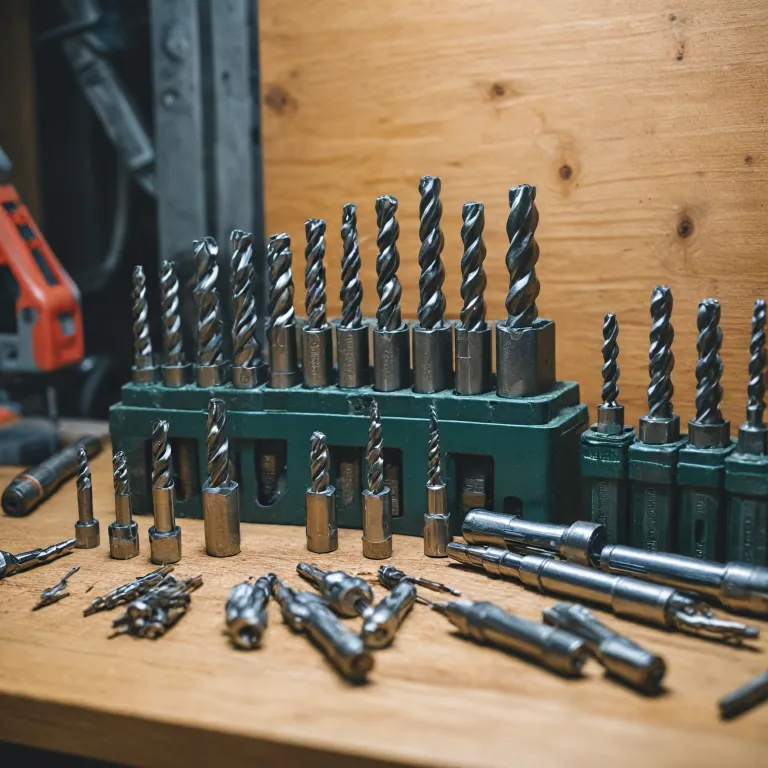
- Store in a dedicated case: Most quality bit sets, such as those from Dewalt or other top brands, come with a metal case or sturdy plastic box. Always return each bit to its slot to prevent damage to the shank and tip. This also makes it easier to find the right size and type for your next drilling job.
- Protect from moisture: Store your drill bits in a dry place. For extra protection, especially for steel drill bits and cobalt bits, you can add a silica gel pack to the case to absorb moisture.
- Sharpen when needed: Heavy duty and duty high speed steel bits can be resharpened using a bench grinder or a specialized drill bit sharpener. Keeping the point sharp ensures efficient drilling and extends the life of your accessories.
- Keep sets organized: Group your bits by series, size, and material (such as black gold, reduced shank, or cobalt drill bits). This helps you quickly select the right bit for metal, wood, or other materials.
By following these simple steps, you’ll maintain the quality and performance of your metal drill bits, whether you’re working with a heavy duty set or a basic collection of high speed steel products. Proper care not only saves money but also ensures safer, more precise drilling every time you use your cordless drill set.