
Understanding the needs of electrical work
What Makes Electrical Drilling Unique?
When working with a cordless drill set for electrical work, the requirements are quite different from general DIY or woodworking projects. Electrical installations often involve drilling through drywall, wood studs, or even masonry to run wires and cables. The goal is to create clean, precise holes without damaging existing wires or causing unnecessary mess. This means the drill bits and tools you select must be tailored to these specific needs, offering both flexibility and control.
Key Considerations Before You Start
- Access and Flexibility: Electrical tasks often require reaching behind walls or into tight spaces. Flexible drill bits and flex auger bits are popular options, as they can navigate around obstacles and make long, angled holes for wire fishing.
- Material and Size: The type of material you’re drilling into—be it wood, plaster, or masonry—will influence your choice of bit. The diameter of the hole should match the size of the electrical wire or conduit you plan to install. Small diameter bits are ideal for fishing tools and running single wires, while larger auger bits are better for conduit or multiple wires.
- Tool Compatibility: Not all bits fit every cordless drill. Pay attention to the shank type and size to ensure a secure fit in your tool. Some products offer extension options for extra reach, which can be a game-changer in complex installations.
- Budget and Product Quality: Price can vary widely between drill bits, but investing in high speed steel or durable flexible auger bits often pays off in longevity and performance. Shopping cart comparisons can help you weigh product features and price before making a decision.
Understanding these factors will help you select the right drill bit for your electrical work, ensuring both safety and efficiency. For a deeper dive into choosing the right drill bit sets for your cordless drill, check out this comprehensive guide on drill bit sets.

Types of drill bits suitable for electrical installations
Popular drill bit options for electrical installations
When tackling electrical work with your cordless drill set, choosing the right drill bit is crucial for both safety and efficiency. The market offers a range of options, each designed for specific tasks like running wires, drilling through studs, or making access holes. Here’s a breakdown of the most common types used in electrical installations:
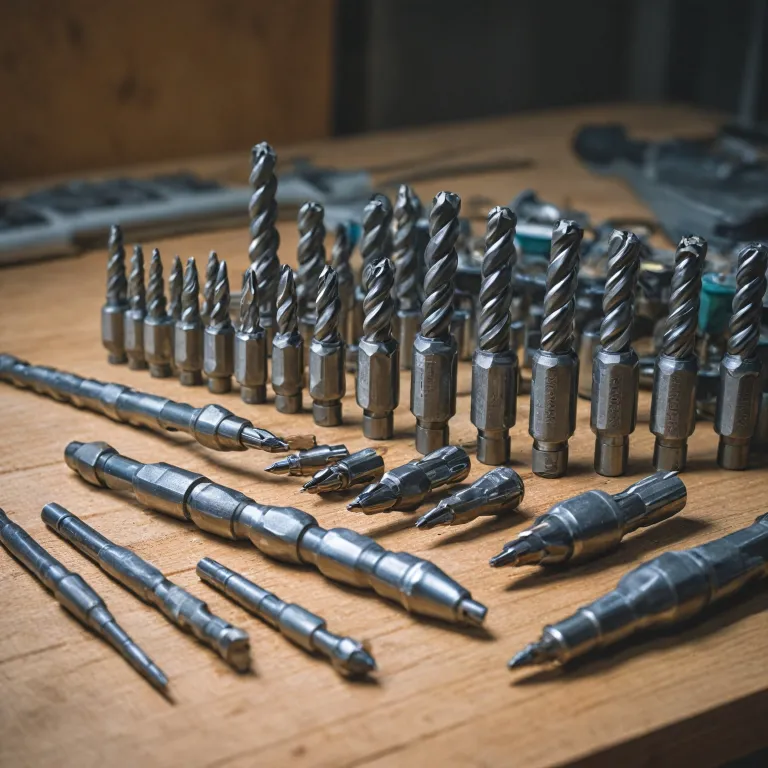
- Flexible drill bits (flex bits): These long, flexible tools are ideal for fishing wires through walls, ceilings, and tight spaces. Their flexibility lets you navigate around obstacles, making them a favorite for electricians and DIYers alike. Look for products with a screw point or auger tip to help pull the bit through wood or drywall.
- Auger drill bits: Auger bits are designed for drilling clean, deep holes in wood. Their spiral design helps remove debris efficiently, which is important when running electrical wire through studs. Some auger bits come with an extension or flex shank for added reach.
- Spade bits: These flat bits are a budget-friendly option for making quick holes in wood. While not as precise as auger bits, they’re suitable for small projects or when price is a concern.
- Hole saws: For larger openings—like those needed for electrical boxes—hole saws are the go-to tool. They come in various inch sizes to match your project requirements.
- Step bits: Step bits are versatile for drilling through metal boxes or panels, allowing you to create holes of different diameters with a single bit.
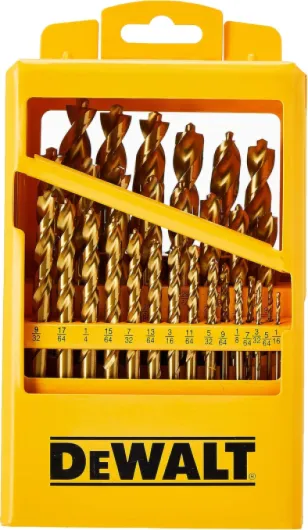
When shopping for drill bits, consider the shank type to ensure compatibility with your cordless drill. Hex shanks offer a secure fit and reduce slippage, especially when using high speed settings. Some products are bundled as sets, which can be a good value if you need multiple sizes or types for your tool kit.
For those interested in comparing different tools for fastening or drilling, you might find this guide on choosing between an impact driver or wrench for bolts helpful. It covers product differences and use cases, which can inform your shopping cart decisions.
Remember, the right drill bit not only makes your electrical work easier but also helps protect your wires and tools from unnecessary damage. In the next section, we’ll look at how to select the best material and size for your specific needs.
Choosing the right material and size
Material and Size: What Matters for Electrical Drilling
When it comes to electrical work, the material and size of your drill bit can make a big difference in both performance and safety. Not all bits are created equal, and the right choice depends on the type of wire, conduit, or box you’re working with. Here’s what to keep in mind as you shop for your next tool or add to your shopping cart:
- Material: High speed steel (HSS) bits are a reliable option for most electrical tasks. They’re durable and can handle drilling through wood, plastic, and even some metals. For tougher jobs, like drilling through masonry or concrete, look for carbide-tipped products. If you need to fish wires through walls, a flexible auger bit or flex bit is often the go-to product. These are designed to bend around obstacles and make long, clean holes for wire fishing.
- Size: The diameter of your drill bit should match the size of the wire or conduit you’re installing. For example, a 3/4 inch auger drill is common for running standard electrical wires, while smaller bits are better for pilot holes or mounting boxes. Long drill bits, sometimes called extension or flex drill bits, are essential for reaching through thick walls or joists. Always check the manufacturer’s recommendations for the right size and shank type for your cordless drill set.
- Specialty Bits: Flexible drill bits, also known as fishing tools or flexible augers, are designed for those hard-to-reach spots. They often feature a screw point to help pull the bit through wood, making wire fishing much easier. Angle drill attachments can also help when space is tight.
- Price and Options: There’s a wide range of drill bits available, from budget-friendly DIY options to professional-grade products. Consider your needs and how often you’ll use the tool before investing. Some sets come with bumper balls or dec extension rods for added flexibility, which can be useful for complex installations.
Choosing the right drill bit material and size not only improves efficiency but also extends the life of your tools. For more tips on maximizing your cordless drill set, check out this guide on mastering the art of etching socket tools with a cordless drill set. The right combination of drill, bit, and technique will help you tackle electrical work with confidence.
Safety considerations when drilling for electrical
Staying Safe When Drilling Near Electrical Wires
When working with your cordless drill set on electrical projects, safety should always come first. Drilling near live wires or inside walls can be risky, so it’s important to take precautions before you even select your drill bit or tool.- Locate and De-energize Wires: Before drilling, use a wire detector or stud finder to identify any hidden electrical wire. Always turn off the power at the breaker to the area where you’ll be working. This reduces the risk of accidental contact with live wires.
- Choose the Right Bit for the Job: Flexible drill bits, flex bits, or flexible auger bits are designed for fishing tools and wire fishing, making them ideal for running wires through walls. Their long, flexible shank allows you to maneuver around obstacles and avoid damaging existing wires. Look for products with a screw point or auger drill tip for better control and precision.
- Use the Proper Extension and Angle Drill: Sometimes, a standard drill or bit won’t reach tight spaces. In these cases, a flex drill extension or angle drill attachment can help you access small or awkward spots safely. This is especially useful for DIY electrical work in older homes where wires may not follow modern layouts.
- Wear Protective Gear: Always wear safety glasses and gloves when using your cordless drill set. Even high speed bits can throw debris or cause sparks, especially when drilling near electrical products or metal bumper balls in the wall.
- Work Slowly and Check Progress: Don’t rush. Drill slowly, especially when using long drill bits or auger bits. Stop frequently to check your progress and ensure you haven’t hit any wires or pipes. If you feel unexpected resistance, stop immediately and investigate.
Other Safety Tips for Electrical Installations
- Keep your shopping cart organized with all the necessary tools and products before starting the job. This helps you avoid unnecessary trips and distractions.
- Check the price and quality of drill bits before purchase. Lower-priced options may not offer the durability or safety features needed for electrical work.
- Always read the product manual for your cordless drill set and any new bits or extensions you plan to use.
- Never drill blindly. If you’re unsure about what’s behind a wall, consult a professional or use specialized fishing tools to guide your work.
Maintaining your drill bits for longevity
Keeping Your Drill Bits Sharp and Reliable
Proper maintenance of your drill bits is essential for anyone working with electrical wire or installing wires through studs and joists. Whether you use a flexible drill bit, auger bit, or a standard high speed steel bit, regular care extends the life of your tools and ensures safer, cleaner holes for your projects.- Clean after each use: Remove dust, wood chips, and debris from the bit and shank. This prevents buildup that can cause overheating or dull the cutting edge.
- Inspect for wear: Check your bits for signs of dullness, chips, or bent shanks. A damaged bit can slip or break, especially when working in tight spaces or with a flex drill extension.
- Sharpen when needed: High speed and auger bits can be sharpened with the right tools. Keeping the screw point and cutting edges sharp makes drilling through studs for wire fishing much easier.
- Lubricate moving parts: If you use flexible auger bits or extension tools, a small amount of lubricant on the flex section can help maintain smooth operation and prevent rust.
- Store properly: Keep your drill bits in a dry place, ideally in a case or shopping cart organizer. This protects them from moisture and accidental damage, especially for long drill or angle drill options.
When to Replace Your Bits
Even with good care, drill bits eventually wear out. If you notice your bit struggling to cut, producing excessive heat, or leaving rough holes, it may be time to invest in new products. The price of replacing a bit is far less than the cost of damaged wires or ruined electrical work. For those who do a lot of DIY or professional installations, keeping a few spare bits in your tool kit is a smart move. Remember, maintaining your drill bits not only protects your investment but also ensures every electrical project is completed safely and efficiently. Quality tools, whether flexible, auger, or standard, will serve you well if you give them the care they deserve.Troubleshooting common issues
Dealing with Stuck or Dull Drill Bits
Even with the right drill bit for electrical work, issues can arise. If your bit gets stuck in wood or behind a wall, avoid forcing the drill. Instead, reverse the drill slowly to back out the bit. For flexible bits or auger bits, especially those used for wire fishing, a gentle rocking motion can help free the tool. If the bit is dull and struggles to cut, it’s time to sharpen or replace it. High speed steel bits and flexible auger products can lose their edge after repeated use, especially when drilling through tough materials.
Addressing Bit Slippage and Shank Problems
Bit slippage in the chuck is a common frustration. Make sure the shank of your drill bit matches the chuck size and is clean before tightening. For small diameter bits or long flexible options, double-check the grip. If your drill’s chuck is worn, consider replacing it or using a bit extension for better hold. Some products offer hex shanks for improved grip, which can be a good investment if you regularly work with flexible drill bits or angle drills.
Managing Breakage and Bent Bits
Flexible auger bits and long drill bits are prone to bending if too much force is applied or if they hit a hidden obstacle. Always let the tool do the work and avoid pushing too hard. If a bit breaks off inside a wall or stud, specialized wire fishing tools or screw point extractors can help retrieve the broken piece. For DIY users, keeping a few spare bits in your shopping cart can save time and frustration.
Preventing Overheating and Burn Marks
Drilling at high speed or using the wrong bit for the material can cause overheating. This not only damages the bit but can also leave burn marks on wood or plastic. To avoid this, use the correct bit type and material for the job, as discussed earlier. Allow the bit to cool between uses, especially when drilling multiple holes for electrical wire installations. If you notice smoke or a burning smell, stop immediately and inspect both the bit and the tool.
When to Replace Your Drill Bits
Price should not be the only factor when choosing replacement bits. If you notice excessive wear, chipped edges, or a loss of cutting efficiency, it’s time to invest in new products. Regularly inspect your drill bits, especially flexible and auger types, to ensure safe and efficient electrical work. Keeping your tools in good condition not only extends their life but also improves the quality of your installations.