
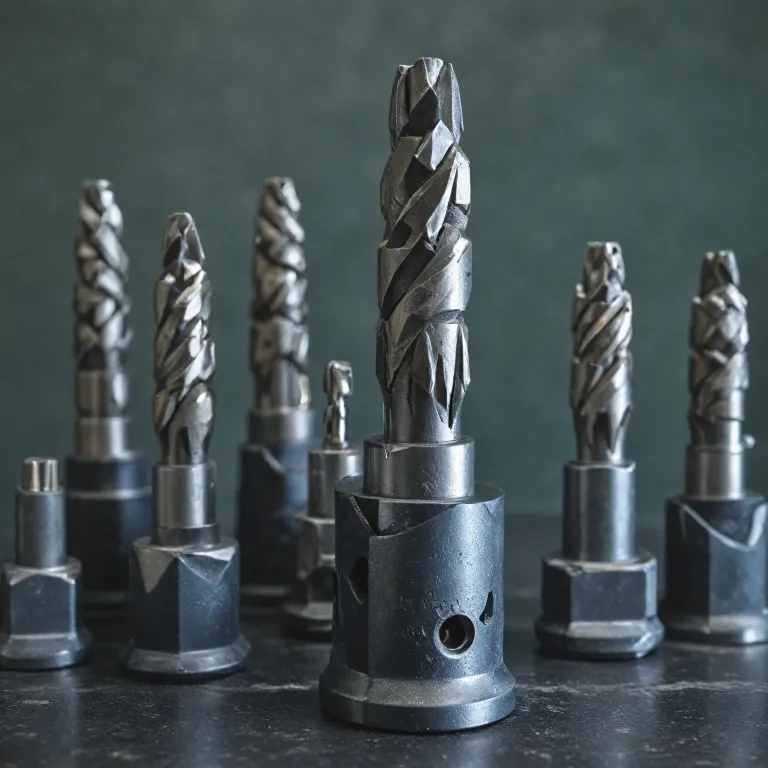
What makes up a drill bit
Key Components That Define a Drill Bit
When you pick up a drill bit for your cordless drill set, you’re holding a tool designed with precision and purpose. Each part of the bit plays a unique role in how efficiently it drills holes in materials like wood, metal, or masonry. Understanding these components helps you choose the right bit for your project and ensures better results when drilling or driving screws.
- Point: The very tip of the bit, often called the point, is where the cutting begins. Different points, such as brad point or spade, are engineered for specific materials and tasks. For example, a brad point is ideal for wood, offering clean entry and accurate positioning. If you want to learn more about why brad point drill bits are essential for your cordless drill set, check out this detailed guide on brad point drill bits.
- Cutting Edges: These are the sharpened surfaces that actually cut into the material. The design and sharpness of the cutting edge affect how quickly and cleanly the bit will drill.
- Flute: The spiral grooves running along the bit’s body help remove debris from the hole, keeping the cutting area clear and reducing friction.
- Shank: This is the part of the bit that fits into your drill’s chuck. The shank must match your drill for a secure connection and efficient power transfer.
- Body: The main shaft of the bit provides strength and stability during drilling, especially when working with tough materials like sheet metal or masonry.
Different types of drill bits, such as twist drill, spade bits, masonry drill bits, and step drill bits, are designed with variations in these parts to suit different materials and hole sizes. Whether you’re drilling large holes in wood or making precise cuts in metal, knowing the essential parts of a drill bit will help you select the right tool for your cordless drill set.
The tip: starting your hole with precision
How the Drill Bit Tip Impacts Precision and Performance
The tip of a drill bit is where every hole begins, and its design plays a major role in how cleanly and accurately you start drilling. Whether you’re working with wood, metal, masonry, or sheet metal, the point at the end of your bit will determine how easily the bit bites into the material and how much control you have over the drilling process.
- Standard point: Most twist drill bits feature a conical tip, which is versatile for drilling into wood and metal. The angle of this point affects how quickly the bit starts cutting and how much wandering occurs before the bit settles into the material.
- Brad point: For wood, brad point bits have a sharp center spur that helps keep the bit steady and prevents it from slipping. This is especially useful when you need to drill precise holes for screws or dowels.
- Spade bits: These have a flat, paddle-like tip with sharp cutting edges on either side. Spade bits are designed for quickly making large holes in wood, but they require a steady hand to keep the hole clean and centered.
- Masonry bits: The tip is often reinforced with carbide and shaped to withstand the impact of hammer drills, making them ideal for drilling into brick, concrete, or stone.
The cutting edges at the tip are what actually remove material as you drill. A sharp, well-designed point reduces the effort needed and helps prevent the bit from skidding across the surface. For those working with different types of drills and materials, matching the tip style to your project is key for both safety and efficiency.
For more on how the right drill or driver can affect your results, check out this guide on choosing between an impact driver or wrench for bolts.
The flute: clearing debris efficiently
How flutes keep your drilling smooth and efficient
The flute is a crucial part of any drill bit, whether you are working with wood, metal, or masonry. Its main job is to remove debris—like wood chips, metal shavings, or dust—from the hole as you drill. Without a properly designed flute, the bit would quickly clog, making it hard to drill clean holes and even risking damage to your cordless drill set.
Flutes come in different shapes and sizes, depending on the type of bit and the material you are drilling. For example, twist drill bits have helical flutes that spiral up the body, efficiently moving debris out of the hole. Spade bits, often used for large holes in wood, have wide, flat flutes that clear chips quickly. Masonry drill bits feature flutes designed to handle dust and grit from brick or concrete, especially when used with a hammer drill.
- Twist drill bits: Best for wood, metal, and plastic; their spiral flutes help keep the cutting edges cool and sharp.
- Spade bits: Ideal for fast drilling in wood; their wide flutes remove large chips and prevent binding.
- Masonry drill bits: Built for tough materials; their flutes are optimized for dust removal during hammering action.
The efficiency of the flute affects not just the speed of drilling, but also the quality of the hole and the lifespan of your drill bits. If you are interested in advanced techniques, like etching socket tools with your cordless drill set, understanding flute design can make a real difference. For a deeper dive into this topic, check out this guide on mastering the art of etching socket tools with a cordless drill set.
Remember, the right flute design will help you drill cleaner, faster, and with less wear on your tools—no matter if you are working with wood, sheet metal, or masonry.
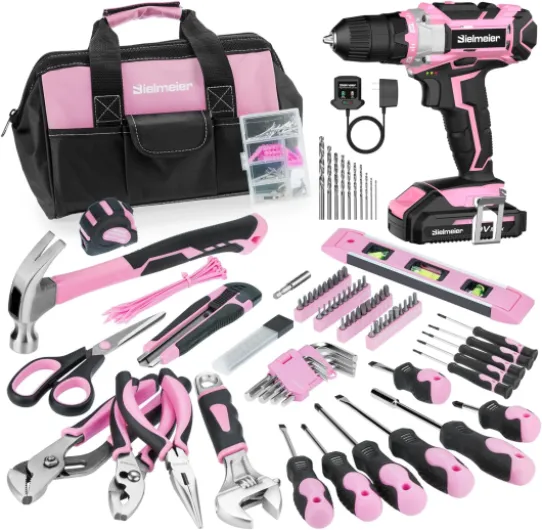
- + Includes 236 pieces for various tasks
- + Cordless design for easy mobility
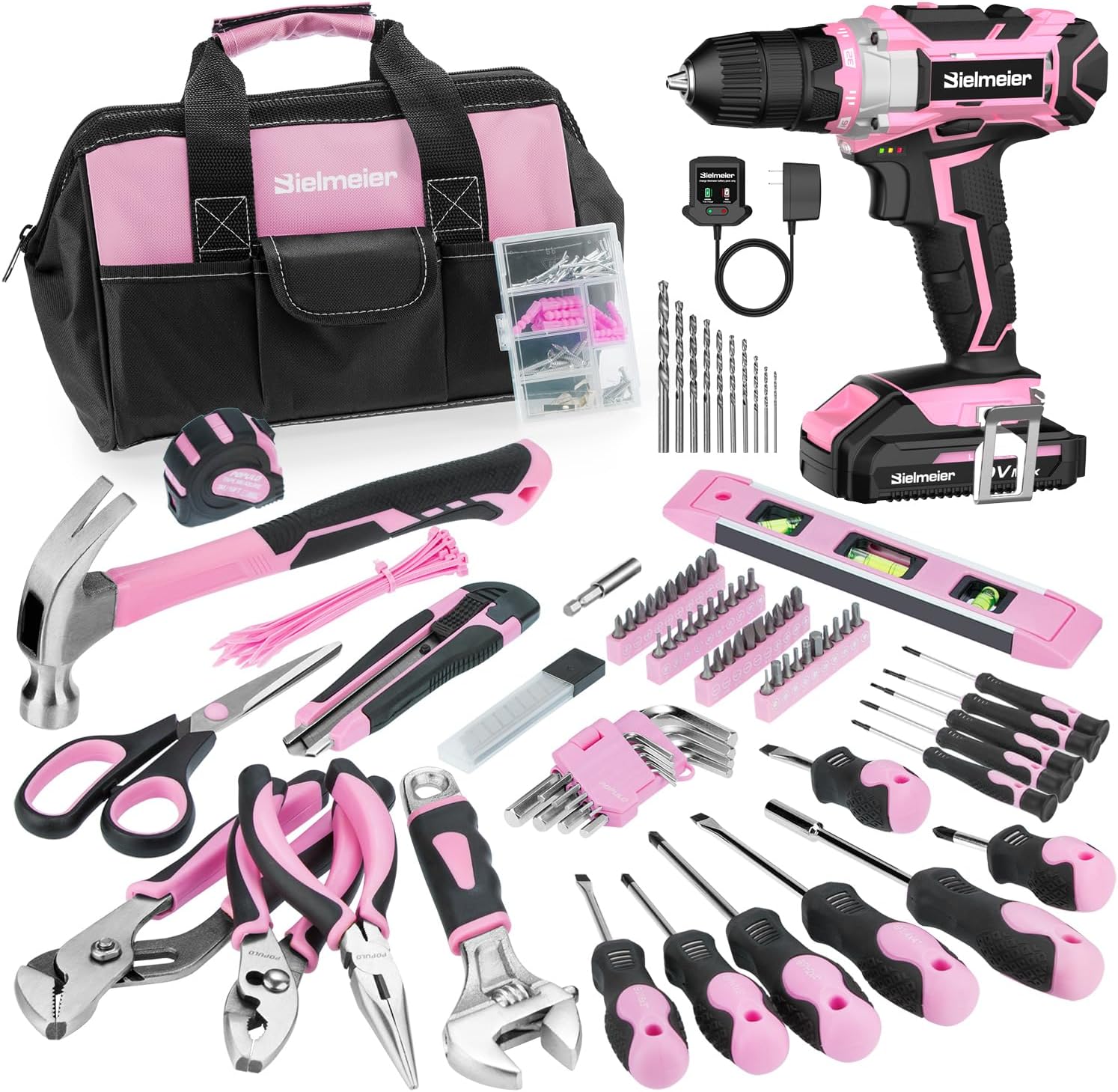
- + Comes with a pink bag for storage
- + Great for DIY projects and home repairs
- + Ideal as a gift for special occasions

The shank: connecting to your cordless drill
How the Shank Ensures a Secure Connection
The shank is a crucial part of any drill bit, especially when using a cordless drill set. It’s the part of the bit that fits into the chuck of your drill, providing the connection between the bit and the drill’s motor. Without a properly designed shank, even the best cutting edges or brad point tips won’t perform as intended. There are several types of shanks you’ll encounter:- Round shank: Common in twist drill bits, suitable for general drilling in wood, metal, and sheet metal.
- Hex shank: Offers a more secure grip, reducing slippage—ideal for high torque tasks like driving screws or using spade bits for large holes in wood.
- SDS shank: Used mainly for masonry drill bits and hammer drills, designed for heavy-duty drilling in concrete or masonry material.
The body: strength and stability during drilling
How the Body of a Drill Bit Impacts Performance
The body of a drill bit is more than just the section between the tip and the shank. It’s the backbone that determines how well your drill bit will handle different materials and drilling tasks. When you’re drilling into wood, metal, or masonry, the body’s design and construction play a huge role in both stability and strength. A well-made drill bit body keeps the bit straight as it spins, reducing wobble and helping you create accurate holes. This is especially important for tasks like drilling pilot holes for screws or making large holes with spade bits. The body also supports the cutting edges, ensuring they stay aligned and effective as they cut through the material. Different types of drill bits have bodies designed for specific jobs:- Twist drill bits have a cylindrical body with spiral flutes that help remove debris and keep the bit cool.
- Spade bits feature a flat, wide body ideal for quickly drilling large holes in wood.
- Masonry drill bits have a reinforced body to withstand the impact of hammer drills when working with brick or concrete.
- Step drill bits use a conical body to create holes of various sizes in sheet metal.
Choosing the right drill bit parts for your cordless drill set
Matching Drill Bit Features to Your Project Needs
When selecting drill bits for your cordless drill set, it’s important to consider how each part of the bit affects your drilling results. The tip, flute, shank, and body all play a role in how well the bit will perform for specific materials and tasks.
- Material Compatibility: Choose bits designed for the material you’re working with. For wood, brad point and spade bits provide clean entry points and efficient chip removal. For metal or sheet metal, high speed steel twist drills or step drills are more suitable. Masonry drill bits are essential for concrete or brick, especially when paired with a hammer drill.
- Tip Design: The point or cutting edge should match your application. Brad point bits are ideal for precise holes in wood, while spade bits are better for large holes. For drilling into metal, a split point or standard twist drill tip offers better control and less wandering.
- Shank Type: The shank must fit securely in your drill’s chuck. Round shanks are common, but hex shanks provide extra grip and are less likely to slip, especially in cordless drills with high torque.
- Flute and Body: Efficient debris removal is crucial for clean holes and to prevent overheating. Deep flutes are helpful for wood and softer materials, while shorter flutes and a robust body add strength for drilling into harder materials like masonry.
Consider the size of the hole you need. For small holes, twist drills are versatile. For large holes in wood, spade bits or spade drills are more effective. If you need to drive screws after drilling, make sure your bit leaves a clean, accurate hole for the screw to grip.
Ultimately, the right combination of cutting edges, shank design, and bit material will ensure your cordless drill set is ready for any project, from wood and metal to masonry. Investing in a variety of drill bits tailored to your most common tasks will help you achieve cleaner cuts, longer bit life, and more efficient drilling overall.