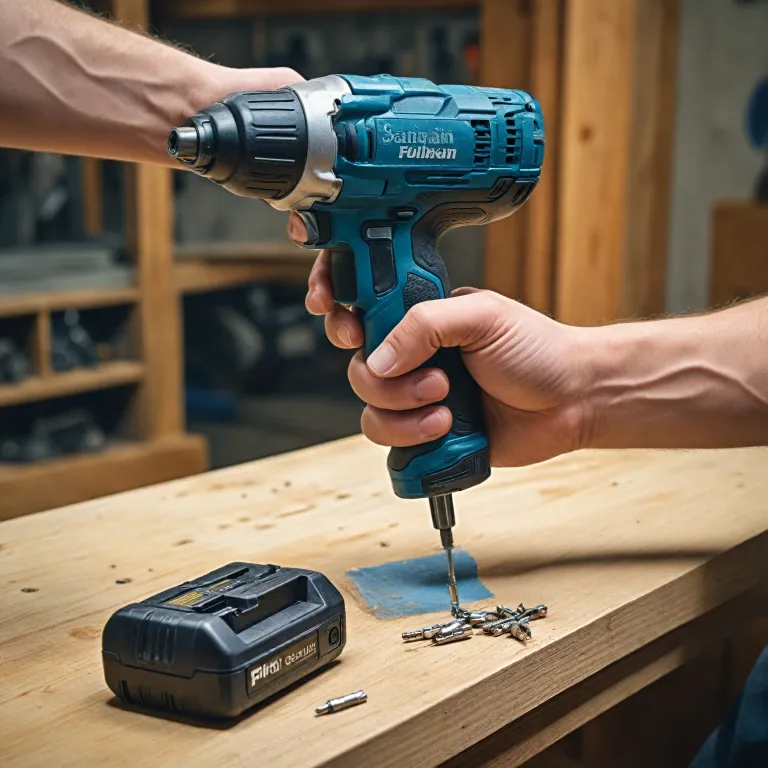
Understanding the 12volt impact driver in modern cordless drill sets
A compact 12volt impact driver has become a pivotal cordless tool for users who value control. This format balances impact power, manageable weight, and reasonable price in a way that suits both first time buyers and experienced technicians. Many people now regard these drivers as the best entry point into serious cordless tools.
Unlike a standard drill driver, an impact driver concentrates torque in rapid bursts that protect the screw head. This impact action lets the tool maintain speed under load while the internal hammering mechanism reduces strain on your wrist and hand. For anyone assembling furniture, fixing decking, or working overhead, this combination of speed and control is crucial.
Brands such as Milwaukee, Bosch, and Dewalt compete fiercely in the 12 volt segment. Each cordless platform offers its own battery ecosystem, from compact packs to higher capacity options that extend runtime on multiple tools. When you compare a bare tool against a complete kit, always factor in the long term cost of building out compatible drivers and other cordless impact solutions.
Most 12volt impact driver models now use brushless motors that increase efficiency and reduce heat. A brushless impact design also helps maintain consistent rpm torque, which is essential when you work with delicate fasteners. For users who already own a cordless drill set, adding a small hex impact driver can dramatically expand what the overall kit can handle.
Key specifications that define performance in a 12volt impact driver
When evaluating any 12volt impact driver, start with torque and speed figures. Manufacturers usually quote torque in torque lbs and rotational speed in rpm torque ranges, often with multiple electronic modes. These numbers reveal how the impact driver will behave when driving long screws into dense timber or metal.
Voltage alone does not define power, because an efficient brushless impact motor can outperform older brushed designs at the same volt rating. Look for a compact head length, since a shorter head lets the tool reach tight corners inside cabinets or vehicle bays. Many users underestimate how much a few millimetres of head reduction can change real world access.
The battery system is equally important, because a weak tool battery will choke even the best impact drivers. A well matched driver kit should include at least two batteries, allowing one to charge while the other powers the cordless impact on site. If you already own a cordless drill driver set with compatible packs, a bare tool purchase may offer better value than a full kit.
Professional ranges such as Milwaukee Fuel, Dewalt DCF compact series, and Bosch professional lines often add smart electronics. These regulate current draw, protect the battery, and maintain consistent impact power as the charge level drops. For a deeper look at how specifications translate into drilling and driving performance, many readers consult an in depth cordless drill driver test before choosing a 12volt impact driver.
Comparing leading brands and ecosystems in the 12 volt impact segment
Choosing a 12volt impact driver often means choosing a long term cordless ecosystem. Milwaukee, Bosch, Dewalt, and Metabo HPT each promote their own tools, batteries, and chargers that are not cross compatible. This makes the initial driver kit decision more strategic than many first time buyers realise.
Milwaukee Fuel models emphasise brushless impact efficiency and compact head dimensions, while some Fuel Surge variants use hydraulic mechanisms to soften noise. Bosch focuses on balanced ergonomics and precise speed control, which appeals to installers working with delicate fasteners. Dewalt DCF compact impact drivers target tradespeople who want strong torque in a small cordless impact footprint.
Metabo HPT, formerly Hitachi, often competes aggressively on list price while still offering professional grade impact drivers. Retailers such as Acme Tools frequently bundle bare tool offers with promotional battery packs, which can shift the effective price significantly. Before committing, it is wise to compare the list price of a kit against the combined cost of separate tools and batteries.
Some specialist 12 volt lines, including Xtreme Max style compact ranges, prioritise portability over raw impact wrench performance. These tools still deliver enough torque lbs for most screw driving tasks, but they are not designed to replace heavy duty impact wrench models. For masonry or structural work, many professionals pair their 12volt impact driver with a dedicated rotary hammer, sometimes evaluated through a focused SDS plus cordless hammer drill review.
Ergonomics, usability, and safety in compact impact drivers
Beyond raw specifications, the way a 12volt impact driver feels in hand can define daily productivity. A well balanced cordless tool with a slim grip reduces fatigue during repetitive overhead work. Compact drivers with shorter head lengths also help maintain a neutral wrist angle in cramped spaces.
Variable speed triggers and multi mode settings allow you to tailor impact power to the material. Low speed modes protect small screws in softwood, while high speed and higher rpm torque settings handle structural fixings. Some brushless impact models add assist modes that start slowly, then ramp up speed once the screw is seated.
Good lighting is another safety factor, as many 12 volt tools now integrate LED rings around the hex impact chuck. These lights reduce shadows around the driver head, especially when working inside cabinets or engine bays. Combined with compact batteries that do not protrude excessively, this design keeps the cordless impact stable on narrow surfaces.
Users should also consider noise and vibration, particularly when comparing impact drivers to drill drivers. Hydraulic systems such as certain Fuel Surge variants reduce the sharp impact sound, which can be valuable in occupied buildings. For those assembling a broader cordless drill set, independent tool reviews of combo kits help clarify how each driver, drill, and battery behaves under load.
Buying strategies, pricing, and long term value for 12 volt drivers
Price analysis for a 12volt impact driver should extend beyond the sticker on the box. The apparent list price of a driver kit may look higher than a bare tool, yet the included batteries and charger often reduce long term costs. When you plan to add more cordless tools later, starting with a strong kit can be financially prudent.
Many brands offer tiered ranges, from entry level impact drivers to premium brushless impact models with advanced electronics. The best value is not always the cheapest driver, but the one whose torque, speed, and battery system match your real tasks. For light DIY work, a compact 12 volt cordless impact may outperform heavier 18 volt tools simply because you will actually carry and use it.
Professional buyers often track promotions from retailers such as Acme Tools, where bundles might include extra tool battery packs or discounted bare tool options. Comparing the effective price per tool across these offers requires a simple list of your planned drivers, drills, and saws. This list clarifies whether a particular driver kit or separate purchases provide the most rational investment.
It is also wise to consider service networks and warranty support for Milwaukee, Bosch, Dewalt, and Metabo HPT platforms. Reliable after sales support can turn a slightly higher list price into better long term ROI, especially when a heavily used impact driver needs repair. Over several years, the durability of the motor, electronics, and batteries will matter more than a small initial saving.
Integrating a 12volt impact driver into a cordless drill set workflow
In a well planned cordless drill set, the 12volt impact driver takes on a specialised role. Many professionals reserve the impact driver for driving screws and bolts, while a separate drill driver handles precise drilling. This separation lets each tool operate at its optimal speed and torque range.
For example, a Dewalt DCF compact driver might handle decking screws, while a matching drill driver bores pilot holes at controlled rpm torque. A Milwaukee Fuel or Bosch brushless impact driver can then drive long structural screws without stalling, thanks to concentrated torque lbs. Meanwhile, the drill driver maintains clean, round holes in timber, metal, or masonry.
Some users add a small impact wrench in the same 12 volt ecosystem for light automotive tasks. Although an impact wrench delivers higher torque than typical impact drivers, it is less suited to delicate screw work. Keeping a clear list of which tools handle which tasks prevents overloading a single driver or misusing a compact cordless impact on oversized fasteners.
As your collection grows, you may integrate Xtreme Max style compact tools, Metabo HPT nailers, or other cordless tools that share the same battery platform. Regularly reviewing independent tool reviews helps you decide whether to expand with another bare tool or invest in a fresh driver kit. In every case, the 12volt impact driver remains a central, high utility component of the broader cordless system.
Statistics and common questions about 12 volt impact drivers
Key statistics related to 12 volt impact drivers
- Typical 12 volt impact drivers deliver between 100 and 170 newton metres of torque, which is sufficient for most wood framing and general fastening tasks.
- Many compact 12 volt drivers weigh around 1 to 1.2 kilograms with a small battery, reducing fatigue during overhead or extended use.
- Common no load speeds range from 0 to 2600 revolutions per minute, with impact rates often exceeding 3000 blows per minute in high power mode.
- Brushless 12 volt impact driver platforms can provide up to 30 percent longer runtime compared with older brushed motor designs using similar batteries.
- Professional users frequently report that a 12 volt impact driver can handle more than 70 percent of their daily fastening tasks, reserving higher voltage tools for only the most demanding applications.
Frequently asked questions
Is a 12 volt impact driver powerful enough for professional use ?
For many trades, a 12 volt impact driver is entirely adequate for routine fastening, especially in carpentry, electrical work, and light plumbing. Professionals often pair it with a higher voltage impact wrench or drill for occasional heavy duty tasks. The key is matching torque, speed, and battery capacity to the actual materials and fasteners you encounter.
How does a 12 volt impact driver differ from a drill driver ?
A drill driver applies continuous rotational force, which is ideal for drilling clean holes and driving small screws. An impact driver adds rapid hammering action in the rotational direction, increasing torque while reducing the chance of cam out. This makes impact drivers better suited to long screws, structural fixings, and stubborn fasteners.
Should I buy a bare tool or a complete driver kit first ?
If you do not already own compatible batteries and a charger, a driver kit usually offers better value. Once you have a solid battery base, adding bare tool purchases becomes more economical. Consider your long term plan for additional tools before deciding which route to take.
Which brands offer the most reliable 12 volt impact drivers ?
Milwaukee, Bosch, Dewalt, and Metabo HPT all produce reliable 12 volt impact drivers with brushless options. The best choice often depends on local service support, available promotions, and how their ecosystems align with your other cordless tools. Reading detailed tool reviews and handling the drivers in person can help finalise your decision.
Can a 12 volt impact driver replace an impact wrench for automotive work ?
A 12 volt impact driver can handle light automotive tasks such as interior fasteners and small brackets. However, wheel nuts and heavily corroded bolts usually require a dedicated impact wrench with higher torque. Many users keep both tools, using the compact driver for precision and the wrench for stubborn hardware.
