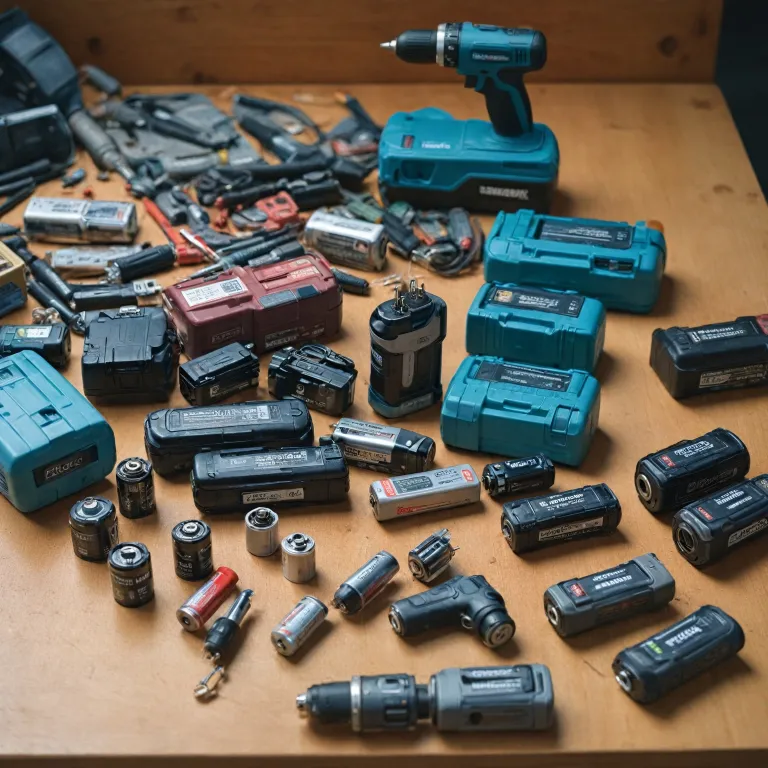
Understanding power tool batteries and their importance
Why Batteries Matter in Cordless Drill Sets
When you pick up a cordless drill, the battery is what brings the tool to life. The right battery doesn’t just power your drill—it determines how long you can work, how much force you get, and how reliable your tool is on the job. Whether you’re using a Ryobi high performance battery pack or a Milwaukee lithium ion starter kit, the battery’s quality and compatibility are crucial for getting the most out of your power tools.
Key Factors That Influence Performance
Several factors set batteries apart. Capacity (mAh) tells you how long your drill will run before needing a recharge. Voltage affects the power output, which is important for tougher jobs. Lithium ion batteries have become the standard for most cordless drill sets because they offer high performance, lighter weight, and longer life compared to older battery types. Brands like Ryobi, Milwaukee, and Ridgid Max Output are known for their advanced lithium battery packs that deliver consistent power and quick charging.
- Battery pack capacity (measured in mAh) impacts runtime
- Charger compatibility ensures safe and efficient charging
- Original vs. replacement batteries can affect price and performance
- High performance batteries are ideal for heavy-duty tasks
Impact on Price and Value
The price of a cordless drill set often reflects the quality of the included batteries. Investing in a high capacity lithium ion battery pack or a complete battery starter kit can mean fewer interruptions and better overall performance. While original batteries from the tool manufacturer are typically more expensive, compatible replacement batteries can offer good value if you choose carefully. Always check the store’s return policy and warranty before purchasing a new battery or charger.
If you want to dive deeper into the advantages of modern battery technology, check out this guide to the benefits of a Dewalt battery pack for more insights on what makes a high performance battery stand out.
Types of batteries used in cordless drill sets
Lithium Ion and Other Battery Technologies
When it comes to cordless drill sets, the type of battery you choose can make a big difference in performance and convenience. The most common batteries found in today’s power tools are lithium ion (Li-ion), nickel-cadmium (NiCd), and nickel-metal hydride (NiMH). Each has its own strengths and weaknesses, which can impact your tool’s power, runtime, and even the price of replacement batteries.
- Lithium Ion (Li-ion): These batteries are now the industry standard for most cordless drill sets. They offer high performance, lighter weight, and higher capacity (measured in mAh) compared to older technologies. Lithium ion batteries also have minimal memory effect, so you don’t have to fully discharge them before recharging. Brands like Ryobi, Milwaukee, and Ridgid Max often feature lithium battery packs in their latest models.
- Nickel-Cadmium (NiCd): Once the go-to for power tools, NiCd batteries are heavier and have a lower capacity than lithium ion. They’re generally less expensive, but they suffer from memory effect and can lose performance over time. Some budget-friendly or older tool batteries may still use this technology.
- Nickel-Metal Hydride (NiMH): These batteries offer a middle ground between NiCd and lithium ion, with better capacity and less memory effect than NiCd, but they’re still heavier and less efficient than lithium ion packs.
Understanding Battery Packs and Capacity
Battery packs are available in different voltages and capacities, which directly affect the power and runtime of your cordless drill. For example, a high capacity battery pack (with a higher mAh rating) will let you work longer between charges. Some brands, like Ryobi High Performance and Milwaukee, offer starter kits that include high output batteries and fast chargers for maximum efficiency.
It’s important to note that not all battery packs are compatible across different brands or even different models within the same brand. Always check if a replacement battery or battery starter kit is compatible with your specific tool. For more on finding the best fit, you can view this guide on replacement parts for cordless drill sets.
Original vs. Compatible Batteries
When shopping for a replacement battery, you’ll find both original manufacturer batteries and compatible third-party options. Original batteries are designed specifically for your tool, ensuring optimal performance and safety, but they often come at a higher price. Compatible batteries can be more affordable and may offer similar capacity or even higher mAh ratings, but quality can vary. Always check reviews and store policies before purchasing a compatible battery pack.
Whether you’re building a battery starter kit or looking for a high performance battery replacement, understanding these battery types and their features will help you get the most out of your power tools.
Compatibility between batteries and cordless drills
Ensuring Your Battery and Drill Work Seamlessly Together
When shopping for a cordless drill set, one of the most critical factors is making sure your battery is fully compatible with your tool. Not all batteries fit every drill, and using the wrong one can impact performance, reduce battery life, or even damage your power tool.- Brand and Model Matching: Most major brands like Ryobi, Milwaukee, and Ridgid design their batteries and chargers to work specifically with their own tools. For example, a Ryobi high performance lithium ion battery pack is engineered to deliver max output and capacity for Ryobi drills. Always check your drill’s model and recommended battery type before buying a replacement battery or starter kit.
- Voltage and Capacity: The voltage (such as 18V or 36V) and capacity (measured in mAh) must match your drill’s requirements. Higher capacity mAh batteries generally provide longer run times, but only if your tool is designed to handle them. Using a battery with the wrong voltage can lead to poor performance or even safety risks.
- Physical Fit and Battery Packs: Even if the specs look right, the physical design of the battery pack matters. Some lithium battery packs are shaped differently, so always view the battery and tool together before purchasing. This is especially important if you’re considering third-party or compatible batteries instead of original tool batteries.
- Charger Compatibility: Not all chargers work with every battery. For example, a charger for a Milwaukee lithium ion battery may not safely charge a Ryobi high capacity pack. Using the correct charger ensures your batteries charge efficiently and safely. For more details on choosing the right charger, check out this guide on selecting the best 36 volt battery chargers for your cordless drill set.
- Aftermarket and Compatible Batteries: While compatible or replacement batteries can offer a lower price, always verify their performance, capacity, and safety certifications. High performance batteries from reputable brands or certified third-party suppliers are generally a safer bet for your power tools.
Tips for maintaining and extending battery life
Simple Habits for Longer Battery Life
Maintaining your cordless drill set’s battery is essential for reliable performance and cost savings. Whether you use a Ryobi high performance battery, a Milwaukee lithium ion pack, or a Ridgid Max output battery, good habits can make a big difference. Here are practical tips to help you get the most from your tool batteries:
- Charge Properly: Always use the original charger or a compatible one recommended by the manufacturer. Overcharging or using an incompatible charger can reduce battery life and even cause safety issues.
- Avoid Full Discharge: Lithium ion batteries, common in modern power tools, perform best when you avoid letting them fully discharge. Recharge your battery pack when it drops to around 20-30% capacity.
- Store Smartly: If you won’t use your cordless drill for a while, store the battery at about half charge in a cool, dry place. Extreme heat or cold can damage battery cells and reduce capacity mah.
- Keep Clean: Regularly wipe battery contacts and the tool’s terminals with a dry cloth. Dirt and debris can affect the connection and reduce performance.
- Rotate Batteries: If you have a battery starter kit or multiple battery packs, rotate their use. This helps all batteries age evenly and ensures you always have a high performance battery ready.
- Monitor Charging Time: Don’t leave batteries on the charger longer than necessary. Most modern chargers for brands like Ryobi and Milwaukee have automatic shut-off, but it’s still wise to unplug when charging is complete.
Protecting Your Investment
Power tool batteries are a significant part of your cordless drill set’s price. Taking care of them means fewer replacement battery purchases and better overall tool performance. Always check your tool’s manual for specific guidance on compatible batteries and chargers. If you’re considering a new battery pack, view the manufacturer’s recommendations to ensure you get the right capacity and compatibility for your needs.
By following these maintenance tips, you’ll extend the lifespan of your batteries, maintain high output, and get the best value from your power tools and accessories.
Signs your power tool battery needs replacement
How to Recognize When Your Drill Battery Needs Replacing
Knowing when to replace your cordless drill battery is crucial for maintaining high performance and safety. Over time, even the best lithium ion or high capacity mah battery packs will lose their ability to hold a charge and deliver max output. Here are some clear indicators that your tool battery might be due for a replacement:- Reduced Runtime: If your drill runs out of power much faster than when it was new, even after a full charge, the battery’s capacity has likely diminished. This is common with both original and compatible batteries, including popular brands like Ryobi, Milwaukee, and Ridgid Max.
- Longer Charging Times: When your battery takes noticeably longer to charge in the charger or doesn’t reach a full charge, it’s a sign the cells are wearing out. This can affect all types of batteries, from lithium ion to older nickel-based packs.
- Loss of Power: If your power tool struggles to deliver the usual torque or stalls under load, the battery pack may no longer provide sufficient output. High performance tools require consistent voltage and capacity mah to operate efficiently.
- Physical Changes: Swelling, leakage, or unusual heat during use or charging are serious warning signs. These issues can be dangerous and mean immediate battery replacement is necessary.
- Incompatibility with Newer Tools: Sometimes, older batteries are not compatible with newer drill models or chargers, especially as brands like Ryobi High or Milwaukee update their tool batteries and starter kits.
Making an informed purchase: what to look for in replacement batteries
Key factors when buying a replacement battery
When it’s time to buy a replacement battery for your cordless drill set, making the right choice can have a big impact on your tool’s performance and your overall experience. Here are some important aspects to consider before you make a purchase:
- Compatibility: Always check if the battery is compatible with your specific tool model. Not all batteries fit every drill, even within the same brand. For example, Ryobi high performance batteries may not work with older Ryobi tools, and a Milwaukee lithium ion pack might not fit other brands.
- Battery type: Lithium ion batteries are now the standard for most power tools due to their high performance, lighter weight, and longer life compared to older nickel-cadmium options. Make sure your replacement battery matches the technology your tool supports.
- Capacity (mAh): The capacity, measured in milliamp hours (mAh), indicates how long your battery will last on a single charge. A higher capacity means more runtime, but also a heavier battery pack. Consider your typical usage and balance power with comfort.
- Performance and output: Look for batteries labeled as high performance or max output if you need more power for demanding tasks. These battery packs deliver more consistent power, especially for heavy-duty jobs.
- Price and value: Compare prices across stores and brands. Sometimes, a battery starter kit that includes a charger and extra battery can offer better value than buying items separately. Don’t forget to check for warranty and return policies.
- Original vs. compatible: While original tool batteries from brands like Ridgid Max, Ryobi, or Milwaukee are designed for optimal performance, there are also compatible third-party options. Make sure any non-original battery meets safety and performance standards.
- Charger requirements: Some replacement batteries require a specific charger. Verify that your current charger is suitable, or consider purchasing a compatible charger if needed.
Where to buy and what to avoid
Buy your replacement battery from a reputable store or authorized dealer to ensure you get a genuine product. Be cautious with deals that seem too good to be true, especially for high capacity or high performance battery packs. Counterfeit batteries can pose safety risks and may damage your power tool.
| Feature | What to Look For |
|---|---|
| Type | Lithium ion, high performance, compatible with your tool |
| Capacity (mAh) | Matches your needs for runtime and weight |
| Brand | Original or trusted compatible brands |
| Price | Competitive, includes warranty, consider starter kits |
| Charger | Compatible with your battery pack |
Taking the time to review these factors will help you find a replacement battery that delivers the performance, capacity, and reliability you expect from your power tools. Whether you’re upgrading to a higher capacity pack or replacing a worn-out battery, informed choices lead to better results in your workshop.
